
Defense & StrategyAnalysis
PLA Ground Force Conducts Night Live-Fire Drills in Karakoram Plateau
Armored units navigated unfamiliar high-altitude terrain under blackout conditions to test night mobility and emergency firing.
Share
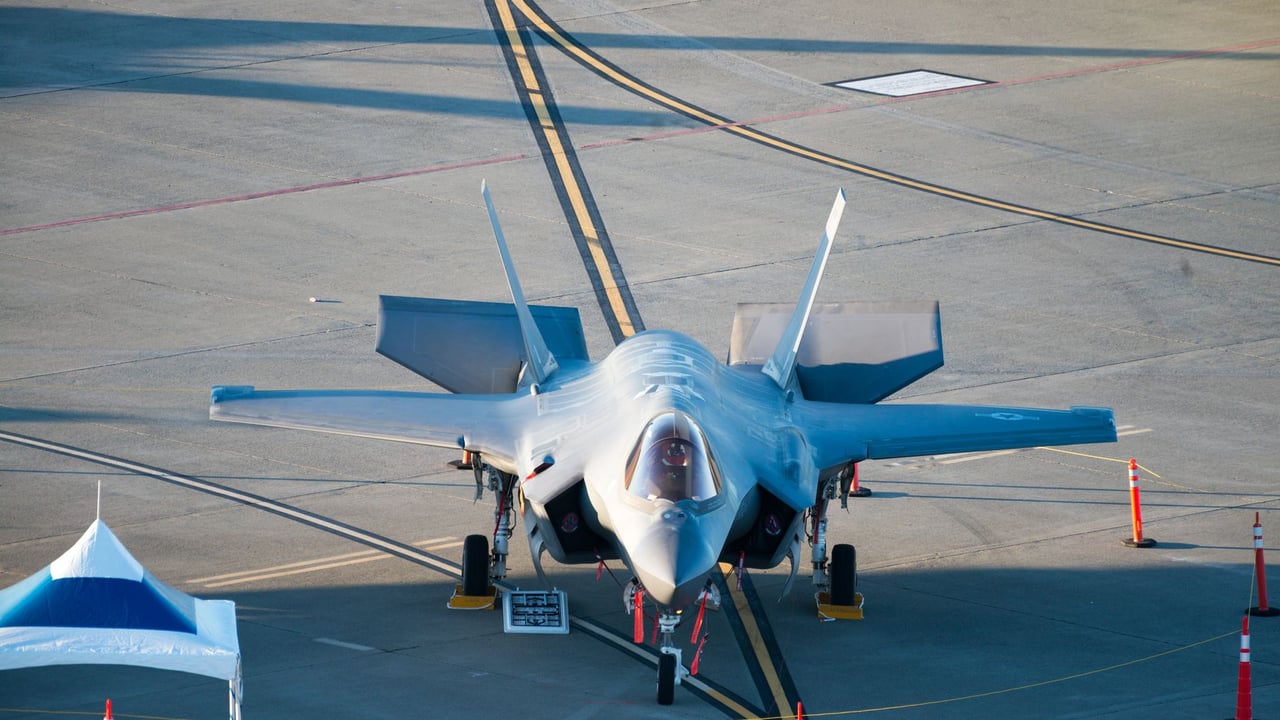
Photo by Waddle Aero on Pexels
The Brief
A PLA Ground Force regiment conducted integrated night mobility and live-fire combat drills in the high-altitude Karakoram Plateau, according to China Military Online. Armored infantry fighting vehicles advanced through unmapped routes under blackout conditions using low-light night-vision devices. The exercise incorporated unannounced environmental obstacles and randomly appearing targets to evaluate crew coordination, ballistic adjustments under high-altitude conditions, and all-weather operational readiness.
Why it matters
The exercise highlights the PLA's ongoing push to enhance the baseline combat readiness of plateau-garrisoned armored formations under extreme weather and zero-visibility conditions. By testing rapid response and precision targeting in contested border environments, the drills demonstrate an operational focus on closing technical and tactical vulnerabilities in high-altitude night warfare.
China context
The Karakoram Plateau sits along strategically critical high-altitude frontier areas. In line with broader Central Military Commission directives emphasizing realistic combat training, PLA units stationed in western border regions routinely conduct unscripted, round-the-clock live-fire exercises to maintain deterrence and operational proficiency across diverse border topographies.
Editor's View
EDITOR'S VIEW — Analysis and inference, not factual reporting.
The focus on unscripted emergency handling, such as recovering disabled vehicles during sudden snowstorms and recalculating ballistic trajectories for altitude-induced atmospheric variance, points to a granular shift in PLA training doctrine. Rather than scripted demonstrations, state media coverage increasingly highlights friction points and real-time corrections, signaling a drive toward authentic operational resilience among front-line armored crews.
What to watch
- Whether PLA plateau formations expand combined-arms night exercises to incorporate unmanned aerial systems and electronic warfare units.
- Potential integration of upgraded electro-optical sensors and automated fire-control algorithms tailored for thin-atmosphere ballistics.
Key Takeaways
- 1A PLA Ground Force regiment held combined night-driving and live-fire exercises in the Karakoram Plateau under blackout conditions.
- 2Crews relied on low-light night vision and onboard navigation without pre-marked routes or advance reconnaissance.
- 3The drill tested unscripted obstacle resolution during an unexpected snowstorm and ballistic recalibration under thin-air plateau conditions.
- 4Training monitors reported improved target hit rates across armored crews using pop-up target arrays.
An armored regiment of the People's Liberation Army Ground Force carried out consecutive night mobility and live-fire shooting drills in the Karakoram Plateau, state-run China Military Online reported.
Upon receiving orders, armored crews mobilized and deployed in multiple infantry fighting vehicles without headlights, relying solely on low-light night-vision devices to navigate winding mountain corridors. According to a battalion commander, the exercise omitted pre-surveyed routes and roadside markers, requiring vehicle crews to navigate using onboard digital systems and terrain data alone.
During transit, the unit encountered an unpredicted snowstorm that covered the roadway. One infantry fighting vehicle became immobilized when its right front wheel fell into a snow-obscured ditch. Under battalion orders, the vehicle crew handled the emergency autonomously, using rocks and mechanical jacks to extricate the vehicle in freezing temperatures without halting the wider formation.
Upon arriving at the designated firing zone, crews established communication links, carried out safety sweeps, and calibrated fire-control systems under low-light conditions. The live-fire phase utilized randomly emerging targets across rugged terrain without prior notice of bearings or ranges.
During the firing sequence, gunners adjusted their aim to account for high-altitude air pressure and wind speed variances after initial rounds drifted. According to training staff monitoring telemetry and reaction times from a command observation post, participating crews demonstrated higher overall hit rates compared to previous night exercises while switching between different ammunition types to engage armored mock targets.
Following the live-fire phase, participating crews conducted a debriefing session to analyze first-round accuracy, emergency handling protocols, and multi-vehicle coordination. Regimental leadership emphasized that night combat and all-weather precision striking remain central operational priorities under ongoing realistic training mandates.
Sources
- 深入推进实战化军事训练丨高原暗夜砺剑锋 - 中国军网 — China Military Online · 8/9/2026