
Defense & StrategyAnalysis
Chinese Navy Expands NCO Captain Program Across Auxiliary Fleet Units
A naval service ship brigade broadens selection for tugboat commanders to deck and engineering ratings amid auxiliary officer shortages.
Share
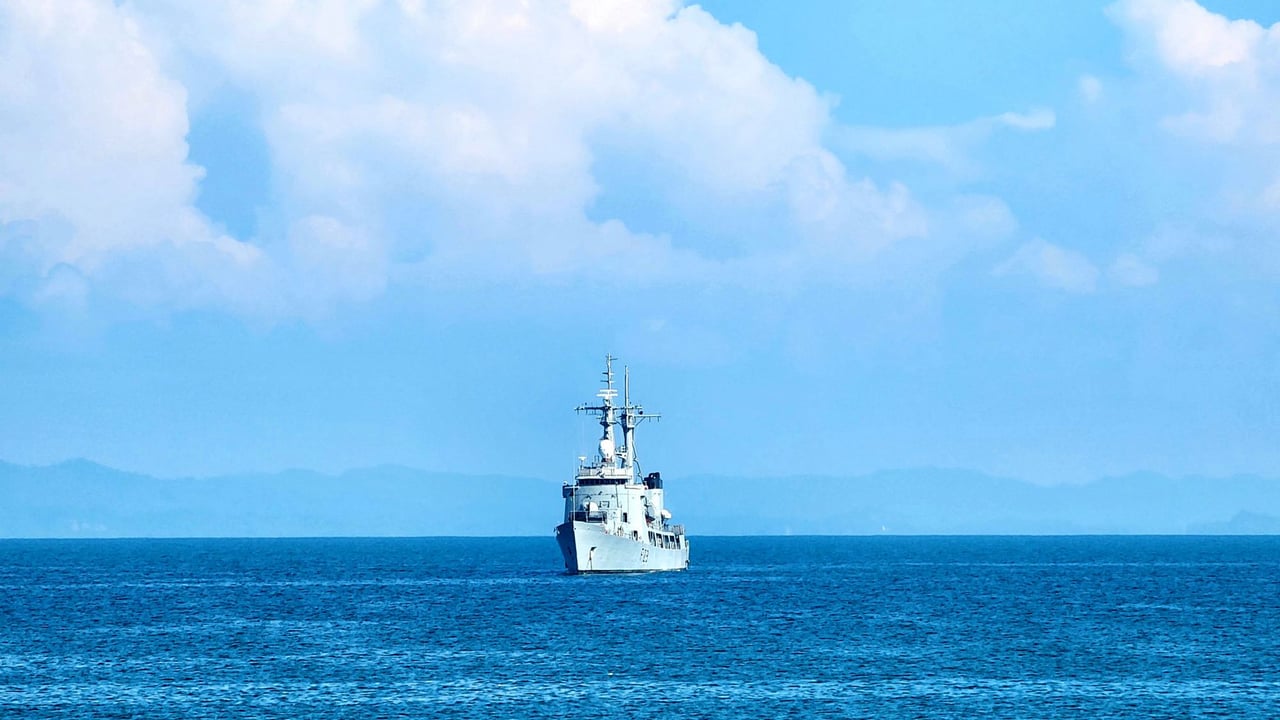
Photo by Ariful Islam on Pexels
The Brief
The People's Liberation Army Navy (PLAN) is expanding its program appointing non-commissioned officers (NCOs) as auxiliary ship captains, opening command tracks to deck and engineering ratings rather than solely bridge specialists, according to military state media. Faced with reduced officer billets following organizational reforms and a surge in warship dockings, a service vessel brigade under a theater navy base piloted the expanded selection and paired candidate NCOs with academy coursework and senior enlisted mentors.
Why it matters
The expansion of NCO command roles onto naval auxiliary vessels highlights systemic adjustments in the PLA's personnel management, relieving officer shortages and accelerating career paths for enlisted personnel amid naval expansion.
China context
As part of China's broader military modernization and structural reforms, non-commissioned officers are taking on expanded operational responsibilities to improve flexibility and mission readiness across frontline support units.
Editor's View
EDITOR'S VIEW — Analysis and inference, not factual reporting.
The promotion of enlisted personnel into command positions on auxiliary vessels reflects how the PLA Navy's rapid surface fleet expansion is stressing human capital pipelines. By replacing commissioned officers on tugboats and service craft with qualified NCOs, the PLAN can redeploy commissioned naval officers to newly commissioned major surface combatants, submarines, and strike platforms while creating retention incentives for technical non-commissioned officers.
What to watch
- Whether the NCO captain training model is formally institutionalized and expanded across other theater navies and auxiliary ship types.
- Further organizational adjustments regarding NCO command authority and officer allocations on auxiliary fleets.
Key Takeaways
- 1A PLAN service vessel brigade has widened its pilot program assigning non-commissioned officers as tugboat captains.
- 2Candidate selection was expanded from bridge and communications specialists to include deck, rigging, and electromechanical ratings.
- 3The policy responds to reduced officer allocations on auxiliary vessels alongside increased harbor support demands from newly commissioned combatants.
- 4The training pipeline integrates naval academy coursework with one-on-one mentorship by experienced senior NCO masters.
A service vessel brigade under a People's Liberation Army Navy base has broadened its selection and training pipeline for enlisted ship captains, allowing non-commissioned officers from deck, rigging, and engineering specialties to take command of auxiliary craft, according to reports published by People's Daily and the PLA Daily.
The initiative emerged in response to operational strains created by military structural reforms. Following organizational adjustments, the number of commissioned officer billets assigned to auxiliary vessels was substantially curtailed. At the same time, the steady commissioning of major surface combatants—including destroyers, amphibious transport docks, and amphibious assault ships—sharply increased the operational tempo for harbor tugboats and service vessels, making short-notice deployments routine.
To address the shortage of qualified vessel masters without disrupting harbor operations, the brigade was designated as an initial pilot unit by theater naval authorities to explore delegating tugboat command duties to senior NCOs. During the pilot's early phase, candidates were drawn almost exclusively from navigation and communications ratings who already worked on vessel bridges and possessed familiarity with shiphandling procedures.
However, restricting command opportunities to bridge ratings dampened morale among other enlisted specialties. In response, the base expanded candidate eligibility across all shipboard trades, revising criteria to prioritize long-term development potential and comprehensive military competence through competitive screening examinations.
To bridge technical gaps for personnel transitioning from deck and engineering trades—who often lack foundational training in nautical charting, navigational calculations, and drift correction—the brigade established a dual-track development framework. Candidate NCO captains are dispatched to naval academies for theoretical coursework in navigation and shiphandling, followed by practical mentorship under veteran NCO masters. Under this system, enlisted captains have successfully directed docking and undocking maneuvers for major combat vessels, signaling a wider shift in how the Chinese military utilizes its senior non-commissioned officer corps in support roles.
Sources
- 帆缆兵走上指挥席--军事--人民网 — People's Daily · 8/18/2026
- 海军某基地勤务船大队优化军士船长选拔培养机制 — China Military Online · 8/18/2026