
Defense & StrategyAnalysis
China Navy Tests Submarine-Launched Strategic Missile in Pacific Ocean
The PLA Navy launched a strategic missile carrying a simulated warhead into open Pacific waters as part of routine annual training, state media reported.
Share
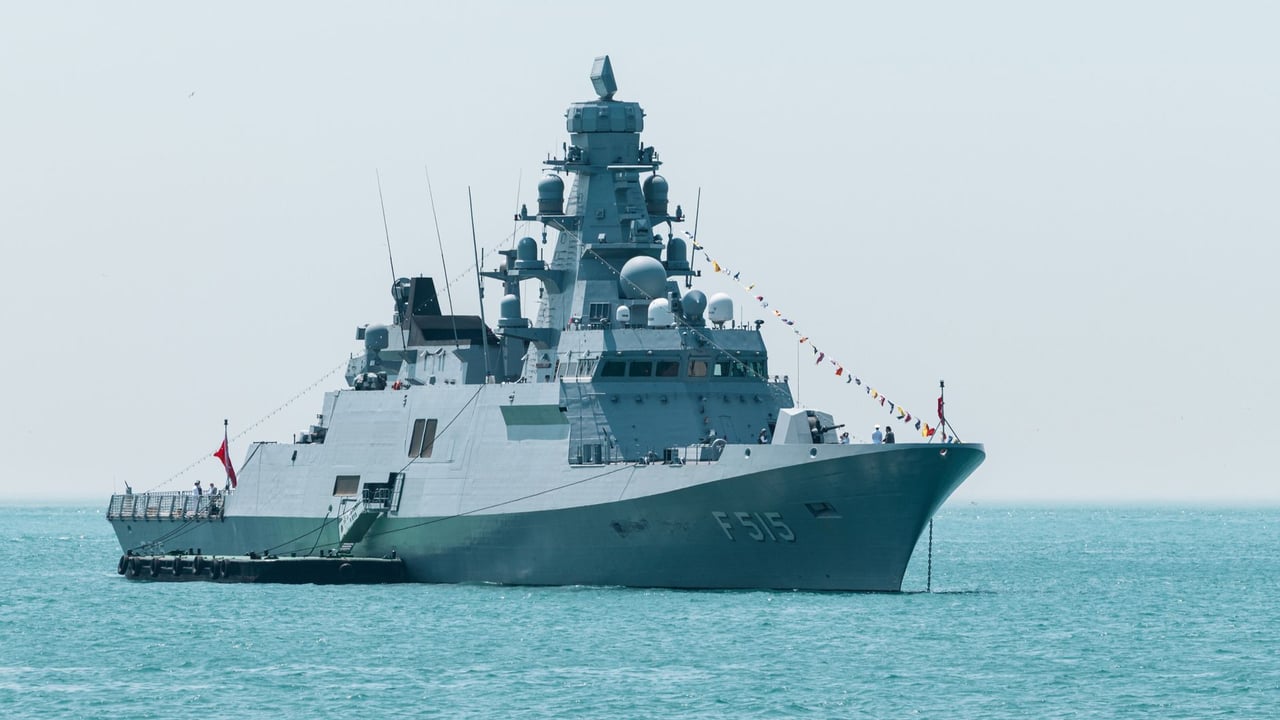
Photo by Serhat on Pexels
The Brief
On July 6 at 12:01 p.m., a nuclear-powered ballistic missile submarine of the PLA Navy executed a successful test launch of a submarine-launched strategic missile into designated international waters of the Pacific Ocean. According to official reports from Xinhua and People's Daily, the missile carried a simulated training warhead and landed precisely in its target area. Chinese authorities stated that the launch was a routine annual training event, emphasizing that advance notifications were provided to relevant countries in compliance with international law and practice.
Why it matters
The successful test underscores the operational readiness and reliability of China's sea-based nuclear deterrent. Demonstrating long-range submarine launch capabilities reinforces Beijing's second-strike deterrence posture, while issuing advance notifications reflects an effort to adhere to international maritime safety and notification norms during strategic tests.
China context
Beijing maintains a defensive national security strategy and a declared policy of no-first-use for nuclear weapons. Official statements consistently frame strategic missile tests as routine annual training arrangements conducted in accordance with international law, seeking to demonstrate operational capability while managing regional security friction through standard diplomatic notifications.
Editor's View
EDITOR'S VIEW — Analysis and inference, not factual reporting.
The PLA Navy's strategic missile test in the Pacific highlights the growing maturity of China's sea-based nuclear triad leg. While Beijing framed the launch as a routine training exercise with standard advance notice, the event illustrates China's confidence in showcasing its strategic deterrence platforms in open-ocean environments. Observers will closely monitor foreign intelligence evaluations of the missile's trajectory and telemetry.
What to watch
- Assessments by regional defense agencies regarding the specific missile model and flight trajectory.
- Official diplomatic or defense responses from neighboring states and the United States regarding the advance notification.
- Follow-on PLA Navy training activities and telemetry data concerning strategic submarine operations.
Key Takeaways
- 1A PLA Navy nuclear submarine successfully test-fired a strategic missile with a simulated warhead into the Pacific Ocean on July 6 at 12:01 p.m.
- 2The missile landed accurately in a designated target zone in open international waters.
- 3Beijing stated the test was part of routine annual training and confirmed that advance notice was issued to relevant foreign nations.
On July 6 at 12:01 p.m., a nuclear-powered ballistic missile submarine assigned to the Chinese People's Liberation Army (PLA) Navy successfully conducted a test launch of a submarine-launched strategic missile into open waters of the Pacific Ocean, according to official state media reports released by Xinhua News Agency and published by People's Daily.
The strategic missile carried a simulated training warhead and landed accurately within a designated target area in international waters. Chinese military authorities stated that the test firing was a routine arrangement conducted as part of the PLA Navy's annual training schedule.
In its official statement, the PLA emphasized that the launch complied with international law and prevailing international practices. Official channels noted that China had issued advance notifications to relevant foreign countries prior to the test. Defense officials further maintained that the activity was not targeted at any specific nation or potential adversary, aligning with Beijing's declared defensive orientation.
The test highlights the ongoing operational development of China's sea-based strategic deterrence capabilities. Ballistic missile submarines constitute a vital component of China's overall nuclear posture, providing a survivable force intended to guarantee second-strike options. Live-fire training exercises of this scale serve to verify missile performance, test onboard command and telemetry systems, and maintain crew readiness during ocean deployments.
Official Chinese reports refrained from identifying the exact missile type deployed during the test or the specific class of strategic nuclear submarine involved. Furthermore, specific geographic coordinates of the target drop zone were not disclosed in the public communique. Despite these omitted details, the public disclosure of the launch—combined with prior notifications to foreign governments—reflects standard practices intended to minimize operational miscalculations in shared international waters.
Sources
- 中国海军成功组织潜射战略导弹试射--军事--人民网 — People's Daily · 7/28/2026