
Daily BriefAnalysis
South-to-North Water Diversion Middle Route Exceeds 80 Billion Cubic Meters
The infrastructure milestone supports 118 million northern residents while reversing decades of groundwater depletion across North China.
Share
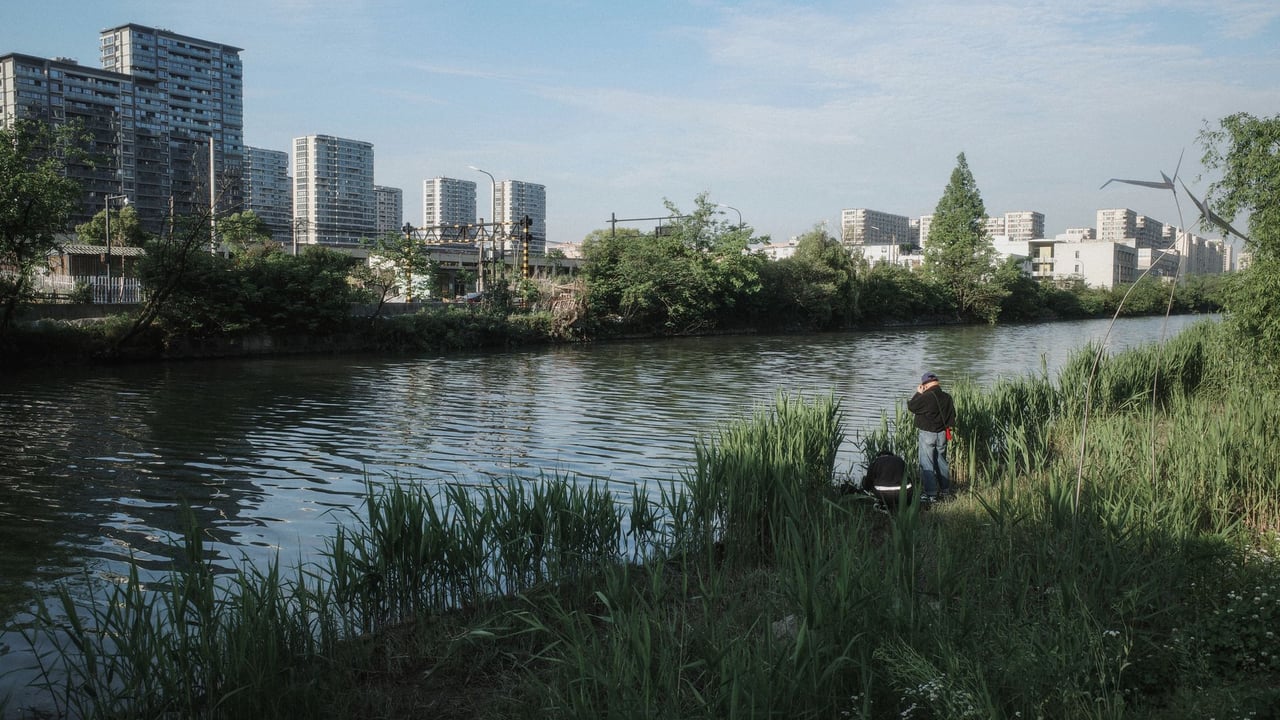
Photo by JUNLIN ZOU on Pexels
The Brief
The Middle Route of China's South-to-North Water Diversion Project has transferred more than 80 billion cubic meters of water to northern China over nearly 12 years of operation, according to state operator China South-to-North Water Diversion Corporation. The route supplies nearly 118 million residents across 27 large and medium-sized cities in Henan, Hebei, Tianjin, and Beijing. Diverted water now constitutes nearly 80 percent of municipal consumption in central Beijing and almost all of Tianjin's main urban supply, playing a pivotal role in regional water security and ecological replenishment.
Why it matters
Reaching 80 billion cubic meters demonstrates the operational maturity of the world's largest water transfer system. The project has fundamentally restructured northern China's water carrying capacity, securing drinking water for high-density political and economic hubs while providing the ecological baseline necessary to halt and reverse severe regional groundwater over-extraction.
China context
China suffers from an enduring geographic mismatch between its water-rich south and arid, densely populated northern plains. The South-to-North Water Diversion Project represents the backbone of the national water network strategy. By supplying Beijing, Tianjin, and Hebei, the Middle Route underpins coordinated regional development and environmental goals without forcing acute industrial or urban water rationing in the capital region.
Editor's View
EDITOR'S VIEW — Analysis and inference, not factual reporting.
The operational data underscores how central northern China has become to diverted water dependency. With Beijing relying on southern flows for four-fifths of its core supply and Tianjin almost entirely dependent, the project eliminates room for operational failure. The integration of digital twin systems and dense sensor arrays reflects Beijing's emphasis on infrastructure resilience against climate anomalies such as winter freezing and summer flood spikes.
What to watch
- Performance and updates of the digital twin dispatch system during freeze periods and extreme rainfall seasons.
- Long-term monitoring data on groundwater table recovery across Hebei and Henan plains.
- Progress on auxiliary and follow-up projects, including the Yinjiangbuhan tunnel designed to increase diversion capacity.
Key Takeaways
- 1The Middle Route has delivered over 80 billion cubic meters of water across nearly 12 years of operation.
- 2The system benefits roughly 118 million residents across Beijing, Tianjin, Hebei, and Henan.
- 3Diverted water supplies nearly 80% of central Beijing and almost all of Tianjin's core urban grid.
- 4Ecological replenishment has reconnected 50 northern rivers and reversed persistent groundwater depletion.
- 5Operations are managed via a digital twin system backed by over 100,000 monitoring instruments.
The Middle Route of China's South-to-North Water Diversion Project has cumulatively transferred more than 80 billion cubic meters of water to the country's arid northern regions, state media reported on Friday, citing the China South-to-North Water Diversion Corporation.
Operating for nearly 12 years, the canal and pipeline corridor provides water resources to 27 large and medium-sized cities across 243 counties and districts in Henan, Hebei, Tianjin, and Beijing, directly benefiting approximately 118 million people.
The project has fundamentally altered municipal supply configurations in key northern hubs. In Beijing, diverted southern water accounts for nearly 80 percent of the water supply in the central urban area. In Tianjin, the main urban district now relies almost entirely on the diversion project for its municipal water. In surrounding Hebei province, the network serves roughly 70 percent of the provincial population, supporting ongoing urban-rural water supply integration.
Water quality along the route has consistently maintained Class II or above under China's surface water quality standards, enabling the reappearance of sensitive aquatic organisms such as freshwater jellyfish, according to project operators.
Beyond municipal consumption, the project has served as an ecological lifeline for North China's river and aquifer systems. Decades of intensive extraction had severely depleted regional groundwater tables. Project authorities stated that dedicated ecological water replenishment has reversed this long-term decline, restoring full, continuous flow to 50 rivers across the region—including the Fuyang, Qili, and Hutuo rivers—while maintaining continuous flows along the Yongding River.
To manage hydraulic safety across vast geographical distances, the Middle Route relies on domestically developed monitoring systems. Operators have deployed more than 100,000 safety monitoring instruments and over 5,000 automated data collection stations along the route. These feeds are integrated into a digital twin dispatch system used for structural monitoring, seasonal flood defense, and winter ice-period conveyance.
Sources
- 南水北调中线工程调水突破800亿立方米 — Xinhua News Agency · 8/7/2026