
Daily BriefAnalysis
Typhoon Zitan Prompts Flood Warnings and Evacuations Across South China
Heavy rainfall causes rivers to breach warning thresholds in Guangxi and threatens the wider Pearl River basin.
Share
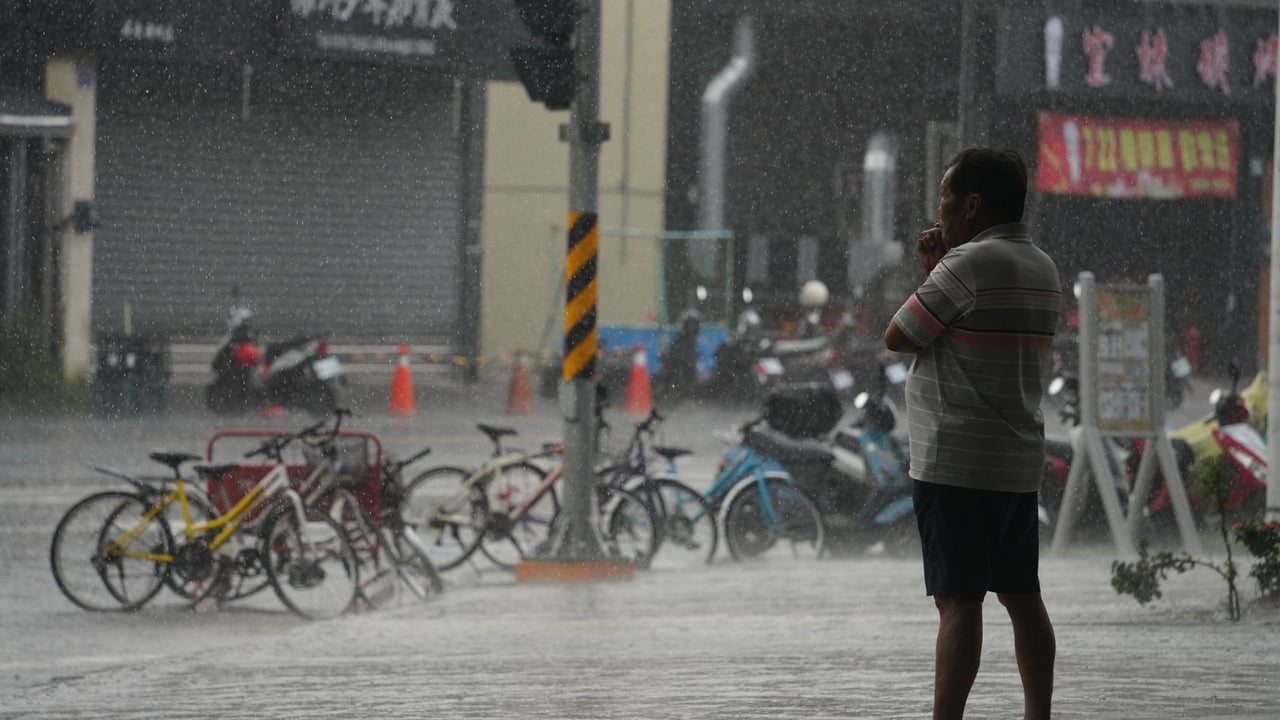
Photo by 師頤 陳 on Pexels
The Brief
Typhoon Zitan has triggered severe weather across southern China, impacting the Pearl River basin and prompting flood alerts on small- and medium-sized rivers. In the Guangxi Zhuang Autonomous Region, floodwaters exceeded warning levels at 15 hydrological stations along 10 rivers, leading authorities to urgently evacuate and relocate 8,087 residents to ensure public safety as emergency response mechanisms were activated.
Why it matters
The persistent downpours from Typhoon Zitan test the drainage capacity and flood control infrastructure of southern China. With multiple rivers exceeding warning thresholds and thousands of residents displaced, regional authorities face a critical operational window to manage reservoir levels, mitigate urban waterlogging, and prevent secondary geological disasters such as flash floods and landslides.
China context
China's Ministry of Water Resources and regional river basin commissions, such as the Pearl River Water Resources Commission, maintain structured emergency response protocols during typhoon season. These protocols involve joint consultations, dispatching work teams to vulnerable areas, and pre-emptive reservoir regulation to manage discharge and ensure timely resident evacuations in high-risk zones.
Editor's View
EDITOR'S VIEW — Analysis and inference, not factual reporting.
Typhoon Zitan illustrates the ongoing challenges Chinese flood-control authorities face during the late-summer typhoon cycle. While major river trunks often have substantial retention infrastructure, localized tributaries and small-to-medium river basins remain highly susceptible to rapid hydrological surges during intense, slow-moving storms. The successful relocation of thousands in Guangxi reflects standard emergency evacuation procedures, though the focus now shifts to post-flood recovery and tracking peak water flows.
What to watch
- Recession of flood crests along small- and medium-sized rivers in the Pearl River basin
- Relief operations and shelter management for the 8,087 relocated residents across affected townships in Guangxi
- Potential updates or adjustments to flood and typhoon emergency response levels by river basin authorities
Key Takeaways
- 1Typhoon Zitan brought heavy precipitation to southern China, raising flood risks along small- and medium-sized tributaries in the Pearl River basin.
- 2In Guangxi, 10 rivers exceeded flood warning thresholds across 15 hydrological monitoring stations.
- 3A total of 8,087 residents in Guangxi were urgently evacuated and relocated due to flood threats.
- 4Regional water resource commissions and emergency agencies continue joint monitoring and flood-prevention operations.
Typhoon Zitan has brought widespread torrential rain across southern China, impacting the Pearl River basin and causing multiple river systems to surge past safety thresholds.
According to state media reports, hydrological authorities warned that persistent precipitation associated with Typhoon Zitan created significant flood risks for small- and medium-sized rivers across the Pearl River basin. The storm's outer rainbands delivered concentrated downpours, putting regional drainage networks and water conservation facilities under heightened strain.
In the Guangxi Zhuang Autonomous Region, the severe weather caused notable disruption. Official monitoring reported that 10 rivers across Guangxi experienced water levels above official warning stages at 15 separate hydrological monitoring stations. In response to rising waters and potential geological hazards, local authorities initiated emergency contingency measures, safely evacuating and relocating 8,087 residents from vulnerable and low-lying areas.
Water management authorities across the affected provinces have stepped up monitoring, joint consultations, and hydrological forecasting. Flood defense protocols require continuous surveillance of reservoirs, dikes, and mountainous terrain where sudden runoff poses flash flood and landslide risks. Emergency response teams remain deployed to assess embankment stability, coordinate reservoir discharge schedules, and oversee relief efforts in hard-hit communities.
As the weather system progresses, disaster management agencies continue to monitor the evolution of flood peaks and drainage conditions along regional waterways to mitigate further localized damage and manage public safety risks across southern China.
Sources
- 台风“紫檀”影响珠江流域 部分中小河流或有超警洪水 — China News Service · 8/23/2026
- “紫檀”造成广西10条河流15个站超警 紧急转移安置8087人 — China News Service · 8/24/2026