
Daily BriefAnalysis
Xi Jinping Returns to Beijing Following SCO Summit and Central Asia, Middle East Visits
Chinese state media confirm the completion of state visits to Kyrgyzstan and Egypt alongside attendance at the 2026 regional summit.
Share
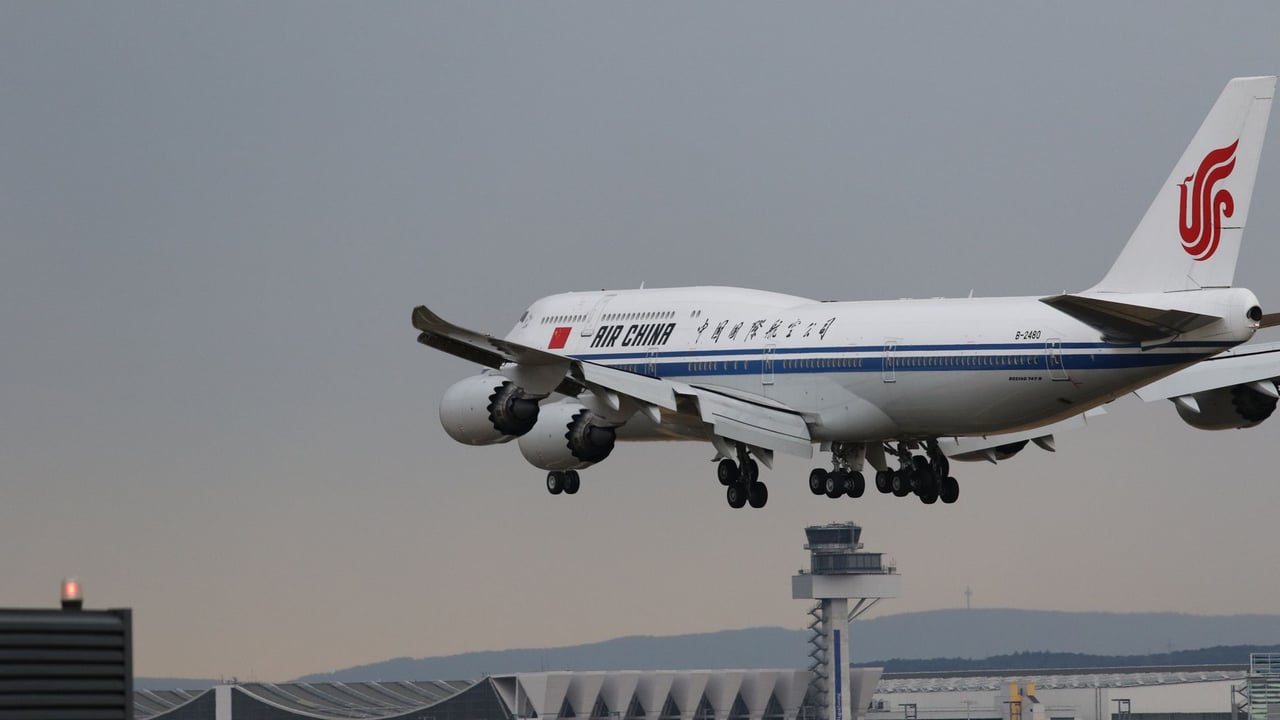
Photo by mdworks on Pexels
The Brief
Chinese President Xi Jinping returned to Beijing on the morning of September 3 after attending the 2026 Shanghai Cooperation Organisation (SCO) summit and completing state visits to Kyrgyzstan and Egypt, according to state media dispatches. Xi traveled alongside a senior delegation that included his wife Peng Liyuan, Politburo Standing Committee member Cai Qi, and Foreign Minister Wang Yi. The brief official announcements marked the formal conclusion of a diplomatic mission spanning Central Asia and the Middle East.
Why it matters
The multi-stop trip linked high-level multilateral diplomacy at the Shanghai Cooperation Organisation with bilateral engagements in two strategically positioned partners: Kyrgyzstan in Central Asia and Egypt in North Africa and the Arab world. The itinerary underscores Beijing's continuous focus on strengthening security, trade, and diplomatic alignments across the Global South.
China context
The presence of Cai Qi, director of the General Office of the Communist Party Central Committee, alongside Foreign Minister Wang Yi reflects the standard top-tier entourage for Xi's overseas travel. This dual presence of the party's chief administrative coordinator and its top diplomat highlights the centralized coordination governing China's major foreign policy maneuvers.
Editor's View
EDITOR'S VIEW — Analysis and inference, not factual reporting.
While the initial Xinhua dispatch was strictly procedural, focusing on the return flight and senior delegation members, the combination of an SCO summit with bilateral visits to Bishkek and Cairo carries distinct geopolitical weight. Observers should track whether the trip yields joint declarations on logistics corridors in Central Asia or expanded industrial and financial cooperation with Egypt.
What to watch
- Release of formal joint statements, project agreements, or outcome documents from the Kyrgyzstan and Egypt state visits.
- Follow-up remarks by the Ministry of Foreign Affairs detailing specific bilateral consensus reached during the tour.
- Policy developments within the Shanghai Cooperation Organisation framework resulting from the 2026 summit sessions.
Key Takeaways
- 1Xi Jinping concluded attendance at the 2026 SCO summit and state visits to Kyrgyzstan and Egypt, returning to Beijing on September 3.
- 2The official delegation included Peng Liyuan, Politburo Standing Committee member Cai Qi, and Foreign Minister Wang Yi.
- 3The trip spanned both multilateral Eurasian diplomacy and key bilateral engagements in Central Asia and the Middle East.
Chinese President Xi Jinping returned to Beijing on the morning of September 3 following the conclusion of an overseas diplomatic tour that included attendance at the 2026 Shanghai Cooperation Organisation (SCO) summit and state visits to Kyrgyzstan and Egypt, Chinese state media reported.
According to an official dispatch published across state outlets including Xinhua, People's Daily, and the State Council portal, Xi was accompanied on his return flight by a senior Chinese delegation. The accompanying party included Xi's wife, Peng Liyuan; Cai Qi, a member of the Politburo Standing Committee and director of the General Office of the Communist Party of China Central Committee; and Wang Yi, a member of the Politburo and China's Minister of Foreign Affairs.
The diplomatic swing integrated multilateral summitry with key bilateral stops across two regions central to Chinese external strategy. The SCO summit provided a platform for multilateral engagement among member states across Eurasia, focusing on regional security, economic cooperation, and institutional expansion. In parallel, the bilateral state visits to Kyrgyzstan and Egypt reflect ongoing efforts to reinforce strategic ties with pivotal partners in Central Asia and the Middle East and North Africa.
Kyrgyzstan remains a key neighbor and transit partner for China in Central Asia, sharing extensive land borders and participating heavily in regional transportation initiatives. Egypt, one of the most prominent powers in the Arab world and a key gateway between Asia and Africa, maintains a comprehensive strategic partnership with Beijing and serves as a major node for trade and investment partnerships in the region.
The dispatches released across Chinese official channels remained tightly scripted, concentrating on the arrival protocol and naming the key personnel traveling aboard the presidential aircraft. Comprehensive outcome lists, bilateral communiqués, and ministerial-level agreements arising from the discussions are traditionally cataloged and released through subsequent official statements.
Sources
- 习近平结束出席2026年上海合作组织峰会和对吉尔吉斯斯坦、埃及的国事访问回到北京--时政--人民网 — People's Daily · 9/3/2026
- 习近平结束出席2026年上海合作组织峰会和对吉尔吉斯斯坦、埃及的国事访问回到北京 — Securities Times · 9/3/2026
- 习近平结束出席2026年上海合作组织峰会和对吉尔吉斯斯坦、埃及的国事访问回到北京 — State Council of China · 9/3/2026
- 习近平结束出席2026年上海合作组织峰会和对吉尔吉斯斯坦、埃及的国事访问回到北京 - 中国军网 — China Military Online · 9/3/2026