
# Asymmetric%20Warfare
Latest news and articles about Asymmetric%20Warfare
Total: 57 articles found
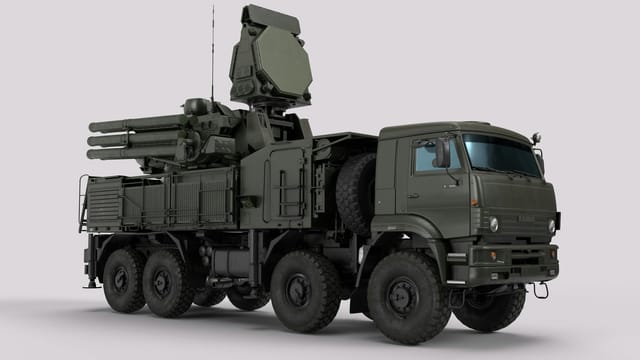
The PLA’s Low-Tech Hedge: Why China Preserves Its Last Military Pigeon Unit
While modernizing its high-tech capabilities, the PLA maintains a single specialized unit for training military pigeons as a low-tech backup for communication. This strategy provides a resilient, un-jammable alternative to digital systems during high-intensity electronic warfare.
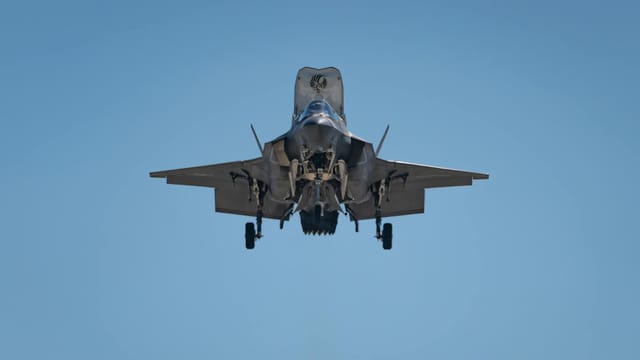
Ghosts in the Haze: F-35 Emergency Signals and the Shifting Electronic Front in the Gulf of Oman
Recent emergency signals from U.S. F-35 fighters over the Gulf of Oman highlight the growing vulnerability of high-tech assets to harsh environments and potential electronic warfare. These incidents suggest a shift in the regional power balance as Iran focuses on asymmetric, digital tactics to counter American air superiority.
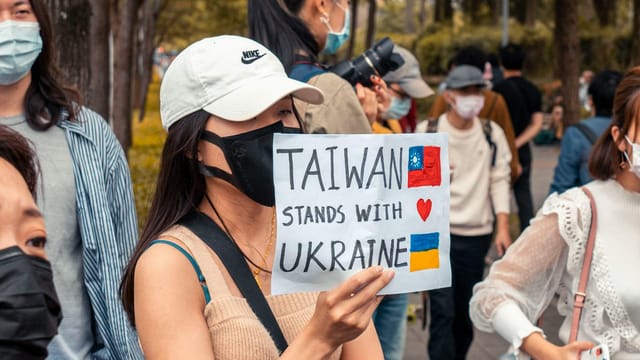
The Elephant and the Frog: Assessing the Rhetoric of Defeatism in Taiwan’s Defense Strategy
Taipei politician Hou Han-ting has sparked controversy by dismissing Taiwan's military buildup as futile, using a metaphor that compares Taiwan's defense to a frog facing an elephant. This rhetoric underscores the deep internal divisions in Taiwan regarding defense spending and the effectiveness of military deterrence against mainland China.

Shadow War on the Silk Road: Iran’s Border Clash Signals Growing Regional Volatility
Iranian security forces successfully repelled a heavily armed militant incursion from Pakistan in the restive Sistan-Baluchestan province. The incident highlights the growing risk of a broader ground conflict as Tehran faces simultaneous pressures from domestic unrest and regional adversaries.
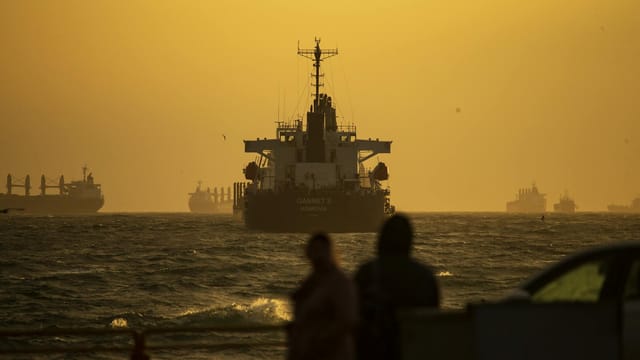
The Hormuz Gambit: Why America’s Three-Carrier Might Faces a Strategic Quagmire
A massive U.S. naval buildup in the Strait of Hormuz is being met with Iranian asymmetric tactics that exploit the geographic and political vulnerabilities of the American position. As domestic gas prices rise and critical political deadlines approach, the standoff is shifting from a military contest to a test of political and economic endurance.
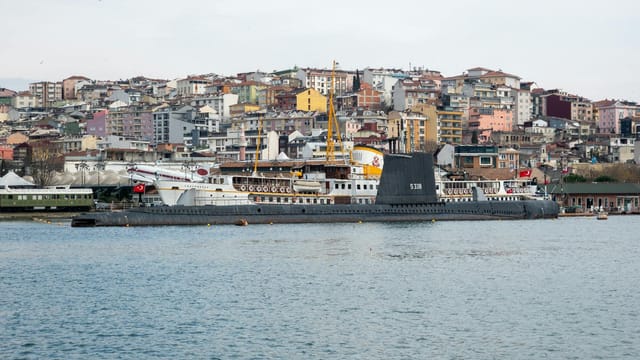
Silent Sentries: Iran’s Subsurface Maneuvers Heighten Tensions in the Strait of Hormuz
Iran has publicly disclosed the active deployment of domestically built midget submarines in the Strait of Hormuz for surveillance and tracking. This move highlights Tehran's focus on asymmetric naval tactics and its capability to monitor hostile vessels in a critical global energy corridor.

The Missile Asymmetry: Why China Views the Middle East’s Tactical Shift as a Strategic Mandate
Recent Middle Eastern conflicts demonstrate a shift where traditional air superiority is being challenged by heavy medium-range ballistic missiles. Analysts suggest this validates China's massive investment in the Rocket Force and advocates for an even larger stockpile of high-yield conventional missiles to maintain its asymmetric edge.
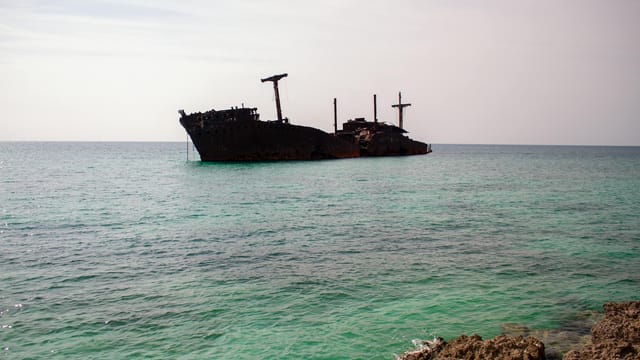
Tehran’s Digital Broadside: Iranian Video Release Signals New Phase of Naval Brinkmanship
Iran has released footage purportedly showing a missile launch targeting a U.S. destroyer, marking a significant escalation in regional propaganda and maritime tension. The move highlights Tehran's growing asymmetric military capabilities and its intent to challenge U.S. naval presence in the Persian Gulf.

Discord in the Ranks: Retired General’s Outburst Highlights Taiwan’s Fractured Defense Consensus
A retired Taiwanese general has launched a scathing critique of the DPP's defense procurement, calling the administration's arms deals 'shameless' and questioning the utility of American weaponry. This outburst highlights the deep political and strategic divide within Taiwan over how to best counter regional security threats while managing relations with Washington.
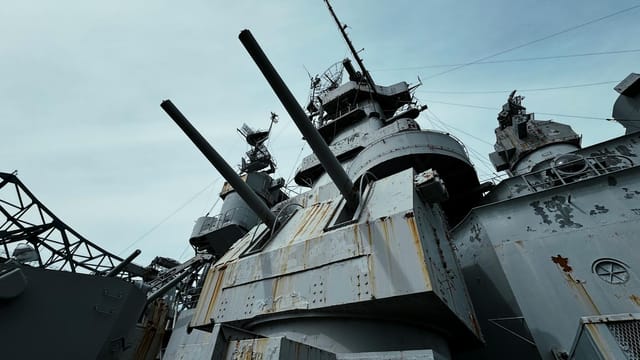
Swarming the Giants: Iran’s 'Mosquito Fleet' and the Fragility of Modern Naval Supremacy
Iran’s 'Mosquito Fleet' utilizes swarming tactics and high-speed small craft to counter the technological superiority of US naval assets. By focusing on saturation and geographic advantages in the Strait of Hormuz, Tehran maintains a potent asymmetric threat to large-scale warships.
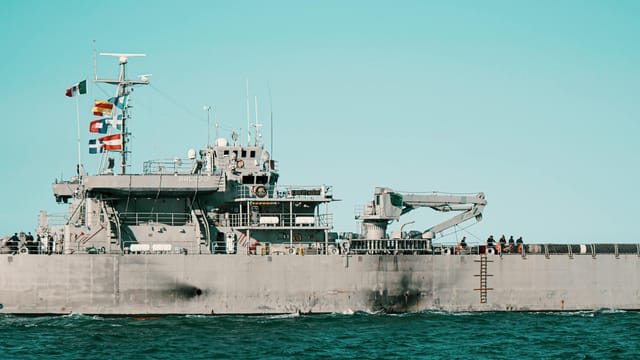
The Sting of the Swarm: Iran’s ‘Mosquito Fleet’ and the Future of Maritime Asymmetry
Iran's development of a 'Mosquito Fleet'—comprising numerous high-speed, small attack craft—represents a sophisticated asymmetric threat to US naval dominance in the Persian Gulf. By utilizing swarm tactics and low-cost platforms, Tehran seeks to overwhelm high-tech defenses and maintain strategic control over the Strait of Hormuz.
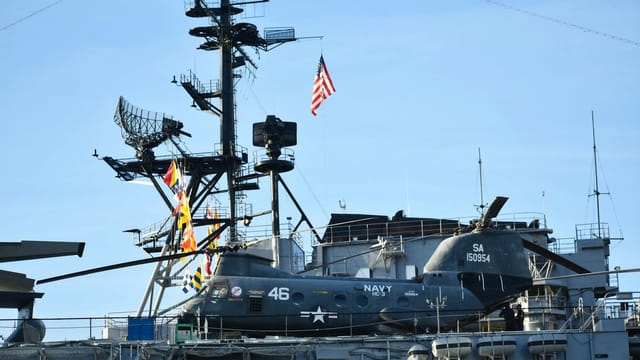
Asymmetric Attrition: The Strategic Overextension of the US in a Sixty-Day Iranian Quagmire
A 60-day conflict with Iran has exposed critical weaknesses in the US military-industrial complex and strained the Atlantic alliance. The high cost of asymmetric warfare and a depleting munitions stockpile have forced Washington into a strategic stalemate that challenges its global hegemony.