
# Energy%20Security
Latest news and articles about Energy%20Security
Total: 220 articles found

A High-Stakes Escort: Europe’s Gamble in the Strait of Hormuz
The UK and France are spearheading a 40-nation naval coalition to secure the Strait of Hormuz, prompting Iran to declare a 'red line' and threaten military retaliation. The mission highlights Europe's drive for strategic autonomy but significantly raises the risk of accidental conflict in a critical global energy corridor.
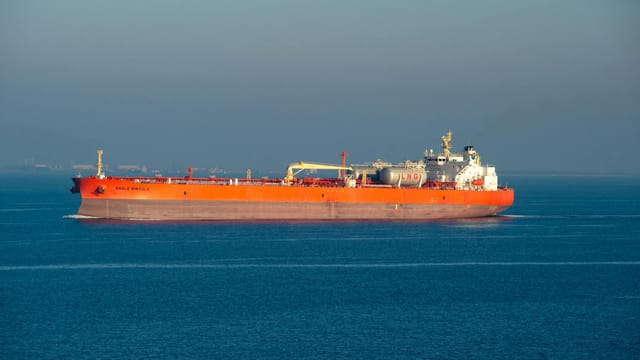
The Strait of Stakes: Europe’s Maritime Gambit and Iran’s Red Line
A UK and France-led coalition of 40 nations is launching a naval mission to secure the Strait of Hormuz, prompting a fierce military warning from Iran. This move signifies Europe's push for strategic autonomy but significantly elevates the risk of a direct military clash in the world's most vital energy corridor.
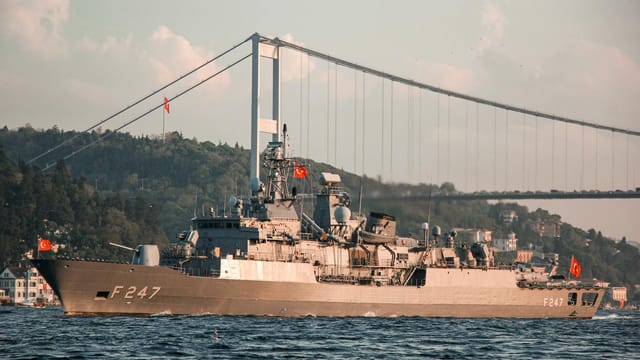
Submarine Diplomacy: China Counters the Malacca 'Chokehold' with High-Tech Naval Exports to Pakistan
China has delivered advanced Kirin-class submarines to Pakistan, a move seen as a strategic counter-balance to Indian and Indonesian assertiveness in the Malacca Strait. The deal highlights Beijing's effort to secure its maritime interests and diversify its security partnerships while mitigating its reliance on vulnerable shipping lanes.
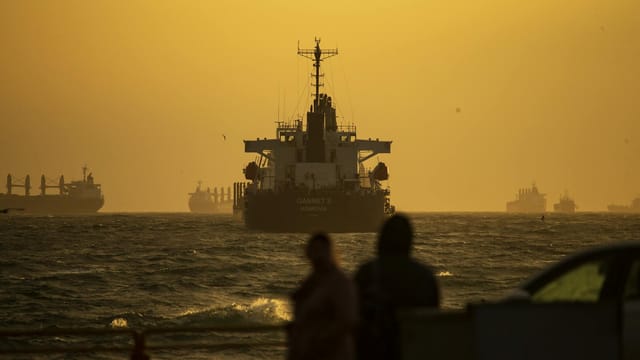
The Hormuz Gambit: Why America’s Three-Carrier Might Faces a Strategic Quagmire
A massive U.S. naval buildup in the Strait of Hormuz is being met with Iranian asymmetric tactics that exploit the geographic and political vulnerabilities of the American position. As domestic gas prices rise and critical political deadlines approach, the standoff is shifting from a military contest to a test of political and economic endurance.
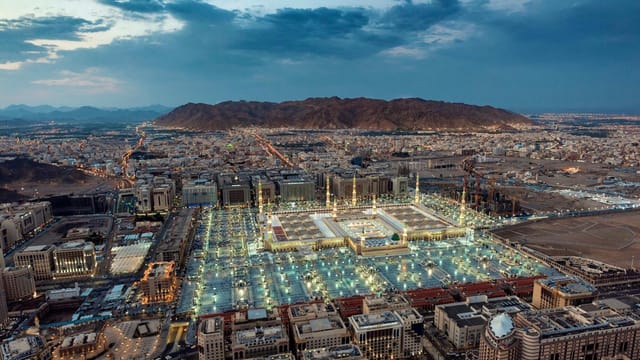
A Billion-Barrel Deficit: Saudi Aramco Reaps Record Profits Amid Global Supply Shocks
Saudi Aramco reported a 26% jump in first-quarter net profits to $33.6 billion as global oil supplies dropped by one billion barrels over two months. The company is mitigating geopolitical risks by operating its East-West pipeline at a maximum capacity of 7 million barrels per day to bypass the Strait of Hormuz.
Tightening the Noose: The U.S. Naval Blockade of Iran Signals a Volatile New Phase in Middle East Conflict
U.S. Central Command has deployed a task force of over 20 warships to enforce a formal blockade on Iran, marking a major escalation in regional tensions. The operation has already resulted in the diversion of 61 merchant ships and the disabling of four vessels, signaling a shift toward active military interdiction.

Fueling the Fire: Beijing Dismisses US Proposals for an Energy Blockade Strategy
Recent US strategic discourse suggesting an energy blockade against China's 70% oil import dependency is being dismissed by Beijing as unrealistic. Chinese analysts argue that strategic reserves, green energy transitions, and global supply chain leverage make such a 'logistical war' a catastrophic miscalculation for Washington.

The Bluster Trap: Why Trump’s Escalating Rhetoric Masks a Shrinking Hand in the Gulf
The Trump administration's aggressive rhetoric toward Iran is increasingly undermined by its inability to absorb the economic costs of a Gulf conflict. As Tehran leverages its control over the Strait of Hormuz to demand a new diplomatic sequence, the risk of a face-saving 'limited strike' by the U.S. remains the most volatile factor in the standoff.
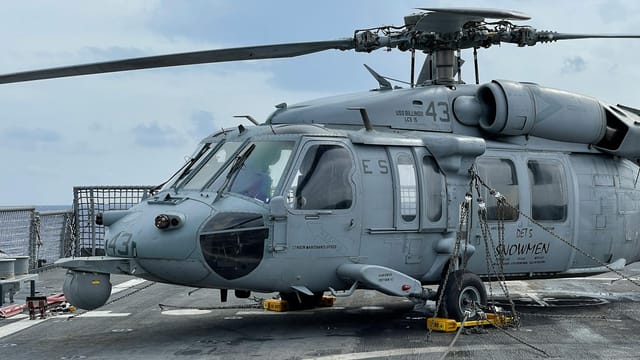
A Precarious Warning: US Strikes on Iranian Tankers Test the Limits of Gulf Diplomacy
United States naval forces conducted precision airstrikes against two empty Iranian tankers attempting to bypass a blockade in the Strait of Hormuz. While the White House characterizes the move as a limited warning, the strike risks destabilizing a fragile ceasefire and has already caused localized environmental damage.
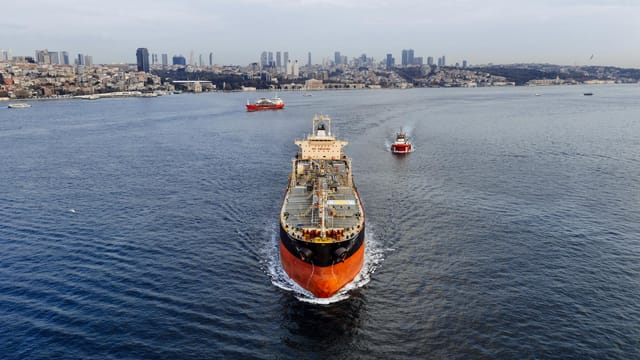
The Hormuz Trap: Trump’s Pivot from ‘Project Freedom’ to Strategic Uncertainty
The U.S. confrontation with Iran in the Strait of Hormuz has hit a stalemate, forcing the Trump administration to suspend its 'Project Freedom' naval initiative. Despite claims of military victory, rising oil prices and bond yields suggest the U.S. is caught in a strategic trap where unilateral military and financial tools are proving insufficient.
Standoff at the Strait: Iran Rejects US-Bahrain UN Resolution as Tensions Flare in the Persian Gulf
Iran has rejected a US-Bahrain-led UN resolution regarding the Strait of Hormuz, calling it a politically motivated move to legitimize US military actions. Tehran insists that ending regional hostilities and lifting blockades are the only ways to restore maritime stability, while Washington threatens further sanctions.
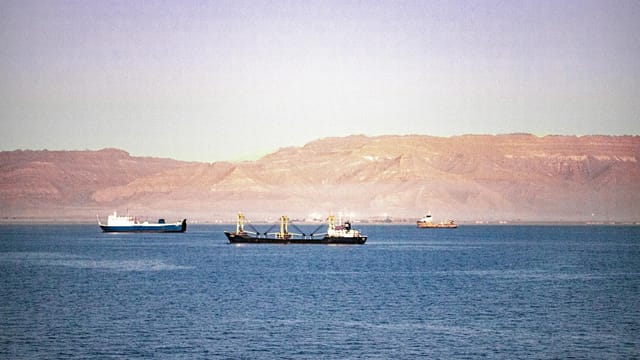
The Hormuz Standoff: Tehran’s Maritime Siege and the Limits of U.S. Power
The Strait of Hormuz remains a contested zone as Iran maintains its blockade following U.S. and Israeli military strikes. Despite U.S. efforts to secure the waterway, the mission has shifted to a defensive posture, leaving global energy markets facing long-term instability.