
# Foreign%20Policy
Latest news and articles about Foreign%20Policy
Total: 113 articles found

Cutting the Cord: Netanyahu’s Strategic Pivot Toward Military Independence
Israeli Prime Minister Benjamin Netanyahu is proposing a phased end to U.S. military aid, seeking to transform the bilateral relationship from one of dependency to a peer-to-peer strategic partnership. This move aims to secure Israel's strategic autonomy and bypass the political conditions increasingly attached to American assistance.

Nuuk’s Firm 'No': Greenland Reaffirms Sovereignty Amid Renewed US Overtures
Greenland’s leadership reaffirmed its 'not for sale' stance during a meeting with a U.S. special envoy, emphasizing sovereignty and the need for professional diplomatic conduct over geopolitical pressure.

The Art of the Deal: Trump’s ‘Four Nos’ and the Realignment of the Taiwan Strait
A reported shift in Donald Trump’s Taiwan policy toward transactionalism has forced a rhetorical retreat from Taipei and created a strategic vacuum in East Asia. By framing Taiwan as a bargaining chip rather than a security partner, the U.S. is fundamentally altering its relationship with both Beijing and Tokyo.
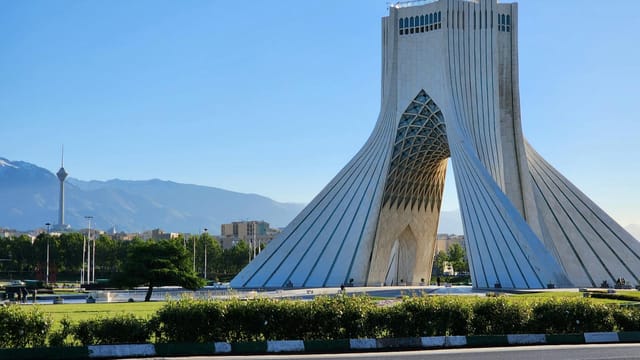
Trump’s Ultimatum to Tehran: Brinkmanship Returns to the Situation Room
President Trump has issued a severe warning to Iran, stating the nation faces total ruin if it does not 'act quickly.' Following consultations with Israeli Prime Minister Netanyahu, the White House is reportedly preparing to review military options in a high-level Situation Room meeting.
Beijing and Washington Signal Fragile Détente with New 'Strategic Stability' Framework
China and the U.S. have established a new "constructive strategic stability" framework following a successful presidential summit. The agreement includes significant agricultural trade commitments and a roadmap for high-level dialogue, though tensions over Taiwan remain a persistent obstacle.

The Brink of Escalation: Trump’s Zero-Sum Gambit in Tehran
President Trump has issued a dire ultimatum to Iran, warning of total destruction if the regime fails to act immediately. Supported by close coordination with Israel and an upcoming White House Situation Room meeting, the U.S. appears to be transitioning from economic sanctions toward a direct military footing.
Transactional Stability: Trump Signals Disapproval of Taiwan Independence Following Beijing Summit
Following a state visit to China in May 2026, President Trump has explicitly stated his opposition to Taiwan moving toward independence. This rhetorical shift marks a potential cooling of tensions between Washington and Beijing, emphasizing a transactional approach to cross-strait stability.
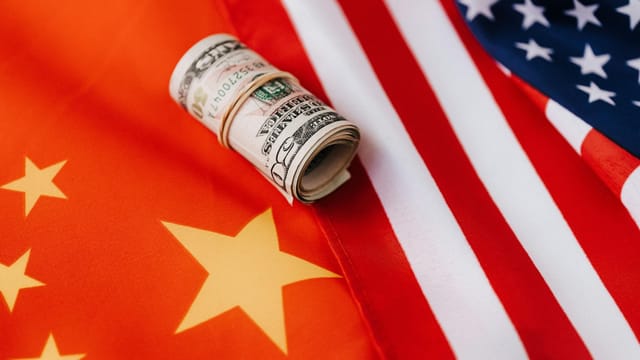
Washington Rebuffs Tehran’s ‘Grand Bargain’: Why the 14-Point Peace Plan Failed to Launch
The United States has formally rejected a 14-point peace proposal from Iran that sought to end regional hostilities before addressing nuclear concerns. This rejection highlights a fundamental disagreement over the sequencing of diplomacy, with Washington maintaining its hardline stance on Tehran's nuclear ambitions.
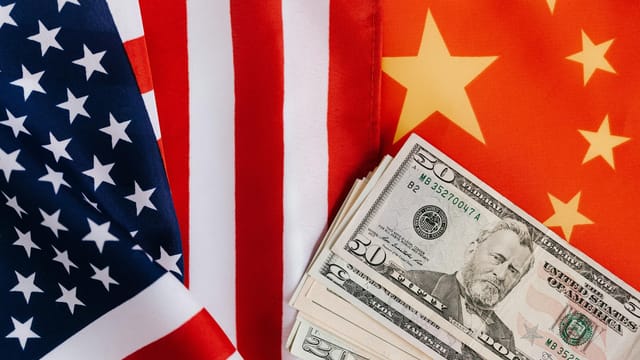
Beijing’s Ego-Diplomacy: Tailoring the 'Greatness' Narrative to a Volatile Washington
China's Foreign Ministry has responded favorably to social media commentary from Donald Trump, framing his 'Make America Great Again' goals as compatible with China's own national rejuvenation. This diplomatic shift indicates a preference for transactional, leader-led relations intended to stabilize the volatile US-China corridor.

Power Play at the Pavilion: Xi and Trump Seek Stability in Zhongnanhai’s Inner Sanctum
President Xi Jinping and U.S. President Donald Trump convened for private, small-group talks at the Zhongnanhai compound in Beijing. The high-stakes meeting aims to stabilize the volatile bilateral relationship through direct leader-to-leader engagement in a highly symbolic setting.

Transactional Diplomacy Returns: Trump Claims Massive Boeing Order Amid Beijing Charm Offensive
President Trump announced a massive 200-plane Boeing order following his state visit to Beijing, signaling a return to transactional trade relations. While China emphasizes mutual benefit and economic stability, the presence of major tech CEOs like Elon Musk and Jensen Huang suggests a broader attempt to stabilize high-tech supply chains alongside traditional manufacturing deals.
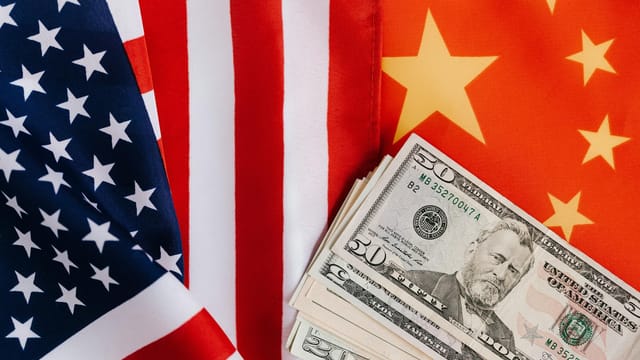
Beyond Competition: Beijing Proposes a New Framework for 'Strategic Stability' with Washington
China's Ministry of Foreign Affairs has introduced 'Constructive Strategic Stability' as a new guiding framework for its relations with the United States. This strategic positioning seeks to create predictable guardrails and move the bilateral relationship toward a more stable, managed competitive state.