
# Geopolitics
Latest news and articles about Geopolitics
Total: 1436 articles found
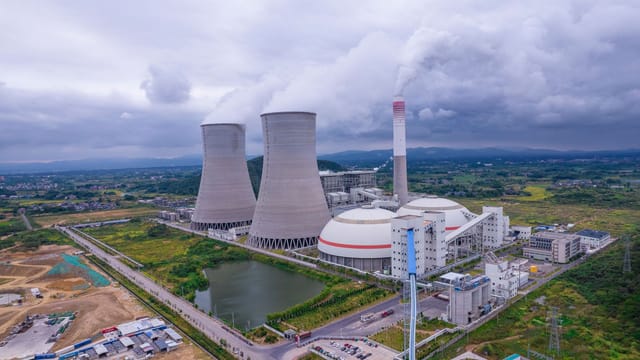
The Great Wall of Deterrence: Beijing Signals Continuity Amid Nuclear Expansion
China's Ministry of National Defense has reaffirmed the stability and predictability of its nuclear policy, signaling a commitment to its 'No First Use' doctrine. The statement serves as a strategic communication to domestic and international audiences, emphasizing a defensive posture even as the country modernizes its nuclear capabilities.

Transactional Zionism: Trump Issues a Sharp Reminder of Israeli Debt to Mar-a-Lago
Donald Trump has publicly criticized Israel, claiming the nation would not exist today if not for his presidency. The comments highlight a shift toward a more transactional relationship where U.S. support is tied to personal loyalty and political reciprocity.

The Bürgenstock Gambit: Can a US-Iran 'Understanding' Surmount the $300 Billion Hurdle?
The US and Iran are set to sign a high-stakes memorandum in Switzerland, but massive disputes over a $300 billion reconstruction fund and transit rights in the Strait of Hormuz threaten to derail the peace process. While markets have reacted with a drop in oil prices, shipping experts warn that a full restoration of maritime trade remains weeks or months away.

Strategic Pause: Why Washington is Hesitating on New AI Sanctions Against China
The U.S. Commerce Department has reportedly delayed adding AI startup DeepSeek and a major chipmaker to its Entity List to avoid escalating tensions with Beijing. China has responded by urging Washington to stop the political weaponization of trade and technology controls.
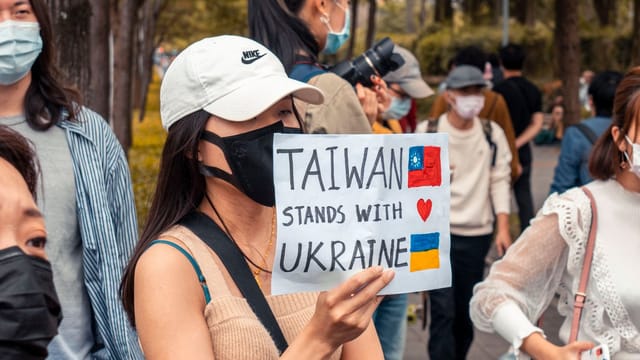
The Shield of Strength: Reimagining Beijing’s Might as Taiwan’s Security
Former Taiwanese official Chou Hsi-wei argues that China's military and economic growth serves as a protective shield for Taiwan, rather than a threat. This perspective emphasizes economic integration and regional stability through Beijing's strength, challenging the prevailing narrative of cross-strait tension.

The Bürgenstock Gamble: Cracks Emerge in the Fragile US-Iran 'Understanding'
The U.S. and Iran are set to sign a memorandum in Switzerland to de-escalate regional tensions, yet the agreement is threatened by fundamental disputes over a $300 billion reconstruction fund and the future management of the Strait of Hormuz.

The Great Decoupling: Why the Gold-Oil Seesaw Signals a New Macro Reality
The historical positive correlation between gold and oil has broken down, as gold transitions into a strategic monetary asset driven by central bank buying while oil remains tethered to commodity cycles. This decoupling reflects a new global macro environment where traditional safe-haven frameworks are being replaced by multi-factor pricing models and skepticism toward the dollar-centric order.
Trump’s High-Stakes Gamble: Inside the 14-Point US-Iran Provisional Accord
The US and Iran are set to sign a 14-point interim agreement in Switzerland that immediately lifts oil sanctions in exchange for a nuclear freeze and the reopening of the Strait of Hormuz. While the deal offers a 60-day window for a final settlement and involves billions in asset releases, significant disputes over navigation rights and regional proxy conflicts threaten its long-term viability.
Trump’s High-Stakes Gambit: A Two-Stage Roadmap for US-Iran Detente
President Trump has announced the imminent disclosure of a new agreement with Iran, emphasizing a 'verbatim' reveal to ensure accuracy. The deal follows a two-stage roadmap starting June 19 in Switzerland, focusing first on regional stability and asset unfreezing before addressing nuclear proliferation and sanctions.
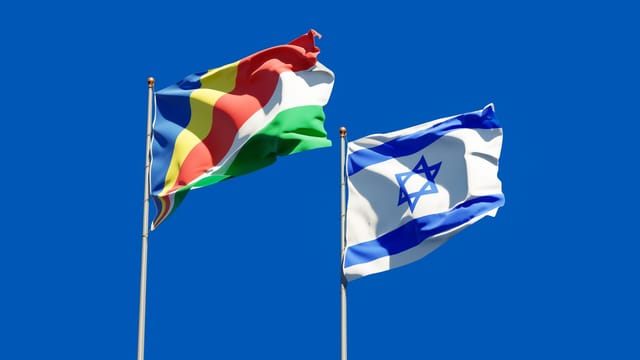
Netanyahu’s Defiance: Sabotaging Diplomacy to Anchor American Support
Prime Minister Netanyahu has openly challenged a pending U.S.-Iran peace deal by launching airstrikes on Beirut and refusing to withdraw from southern Lebanon. This strategic defiance highlights a growing rift between Israel and the Trump administration, as Netanyahu attempts to force continued American involvement in the region through calculated escalation.
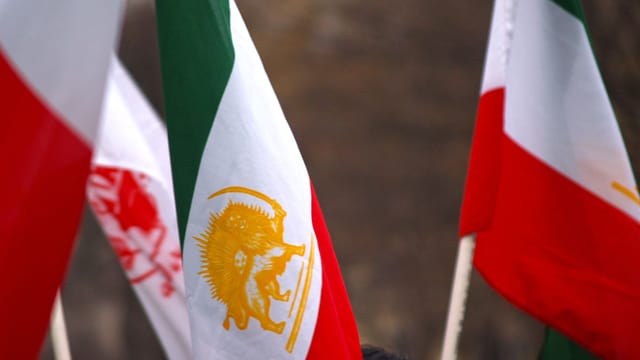
A Fragile Detente in the Gulf: Navigating the Rumors of a US-Iran Accord
A reported diplomatic breakthrough between the U.S. and Iran suggests a potential reopening of the Strait of Hormuz driven by mutual economic exhaustion. While mediated by Pakistan, the deal faces significant hurdles from domestic hardliners and excluded regional allies like Israel.
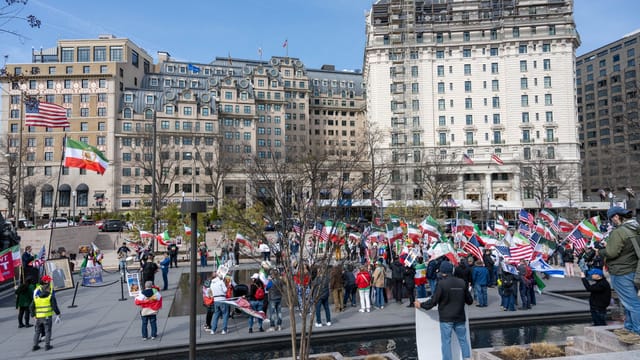
Beijing’s Middle East Gambit: As US and Iran Begin Implementation, China Claims a Diplomatic Dividend
As the US and Iran begin implementing a new coordination framework, Beijing is touting the development as a validation of its growing role as a Middle East power broker. The shift illustrates a broader transition toward a multipolar regional order where Chinese mediation competes with traditional American security guarantees.