
# Geopolitics
Latest news and articles about Geopolitics
Total: 1457 articles found
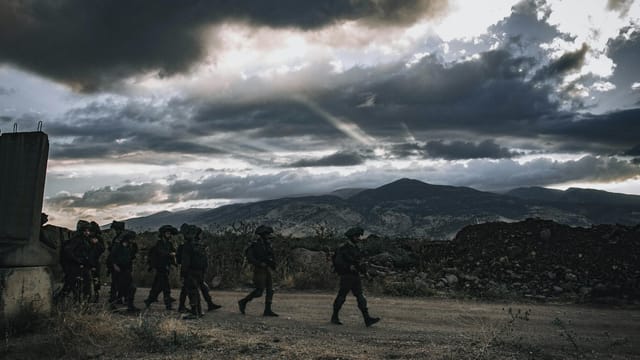
Brink of War: Israeli Airstrikes and Evacuation Orders Signal Widening Conflict in Southern Lebanon
The Israeli military has escalated its operations against Hezbollah in Lebanon, combining heavy airstrikes with mass evacuation orders for southern villages. This shift signals a potential widening of the conflict as Israel seeks to dismantle militant infrastructure along its northern border.
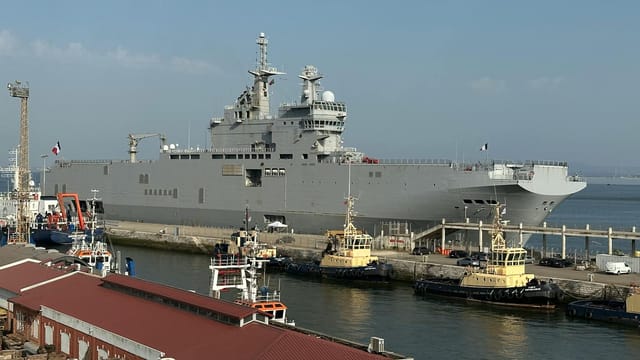
Power Projection in Transit: Why the French Flagship’s Suez Passage Signals a More Assertive European Naval Strategy
The French aircraft carrier Charles de Gaulle has transited the Suez Canal, utilizing tugboat assistance to navigate the strategic waterway. This movement underscores France's ability to project naval power into the Indo-Pacific and Middle East, serving as a reminder of its strategic autonomy and commitment to maritime security.
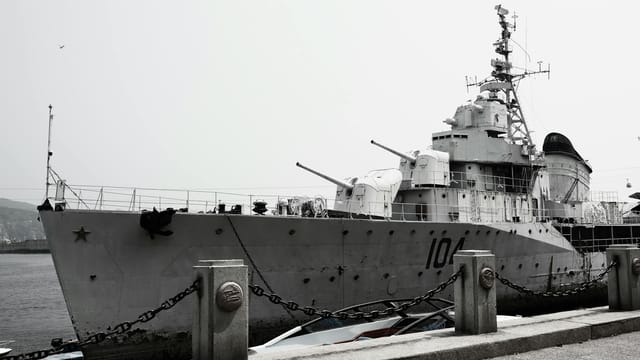
The Billion-Dollar Corvette: US Naval Procurement Struggles Against China’s Industrial Might
The U.S. Navy's next-generation frigate program faces criticism for its $1.67 billion per-ship cost, which exceeds the price of two Chinese Type 055 destroyers. This procurement gap highlights a deepening crisis in American naval industrial capacity compared to more efficient Chinese and European shipyards.

Beijing Normalizes Pressure: China Coast Guard Intensifies Presence in Contested East China Sea
China Coast Guard fleet 1306 conducted a patrol near the disputed Diaoyu Islands on May 7, 2026, as part of Beijing's ongoing effort to normalize its presence in the East China Sea. The mission reflects China's broader 'gray zone' strategy to challenge Japanese administrative control and assert maritime sovereignty through persistent law enforcement operations.
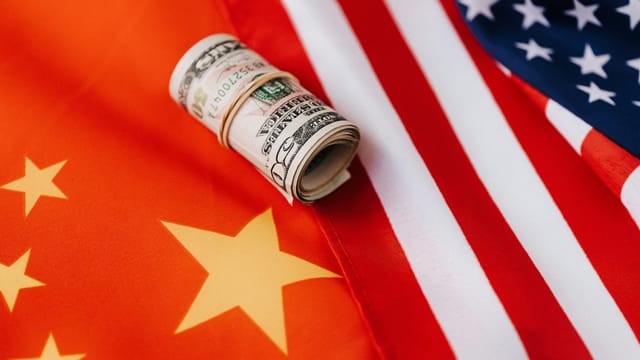
Asuncion Under Pressure: Beijing Issues Final Warning to Taiwan’s Last South American Ally
Beijing has issued a stern diplomatic warning to Paraguay, urging the nation to sever ties with Taiwan and align with the 'One China' principle. As Taiwan's last remaining ally in South America, Paraguay faces intensifying economic and political pressure to join its neighbors in recognizing the People's Republic of China.

The Shadow of 2025: India and Pakistan Trade Warnings on Conflict Anniversary
On the first anniversary of the May 2025 missile conflict, the leaders of India and Pakistan have issued competing statements of resolve. While Islamabad warned of more precise military retaliation in the future, New Delhi reaffirmed its hardline stance against terror networks, indicating that regional tensions remain high despite the current ceasefire.

Six Months of Silence: How Sanae Takaichi’s Hawkish Turn Has Frozen Tokyo-Beijing Ties
Six months after PM Sanae Takaichi’s provocative remarks on Taiwan, Japan-China relations remain at a historic low characterized by economic retaliation and a breakdown in high-level dialogue. The situation is further strained by Japan's shifts in nuclear and arms export policies, making a diplomatic breakthrough at upcoming summits unlikely.
Beijing Sounds Alarm Over Japan’s Quest for Constitutional Normalization
China's Foreign Ministry has issued a sharp rebuke against efforts by Japanese conservative factions to amend the country’s pacifist constitution, calling such moves unpopular and a threat to regional stability. Beijing remains hyper-vigilant regarding Tokyo’s shift toward a more proactive defense posture and its potential impact on the East Asian security balance.

Jungle Sentinels: The Evolving Face of China’s Mekong Border Security
This report examines the shifting dynamics of border security along China's Lancang (Mekong) River, highlighting the transition toward highly educated personnel and advanced surveillance technology. It explores how the Southern Theater Command integrates military defense with local community engagement and ecological protection to secure a strategically vital frontier.
The One-Page Pivot: Markets Surge as Washington and Tehran Edge Toward a Historic Rapprochement
A reported 14-point memorandum between the U.S. and Iran has sparked a global market rally and a dramatic 10% drop in oil prices. The deal aims to freeze nuclear enrichment in exchange for sanctions relief, though internal political divisions in Tehran threaten the final outcome.

Chinks in the Blockade: Iran’s Tanker Maneuvers Challenge US Naval Hegemony in the Persian Gulf
An Iranian LPG tanker has reportedly breached a U.S. naval blockade to enter the Strait of Hormuz, a move Tehran claims provides vital support for its oil production and storage operations amidst rising regional tensions.

The Long Game: Why China’s 'Hard-Core' Assets are Primed for a Strategic Bull Run
Haitong International’s Zhang Yidong outlines a bullish case for Chinese equities, emphasizing a shift toward 'hard-core' assets in technology and manufacturing. Despite summer volatility, low valuations in Hong Kong and structural economic pivots suggest a long-term upward trajectory for patient investors.