
# Iran
Latest news and articles about Iran
Total: 1261 articles found
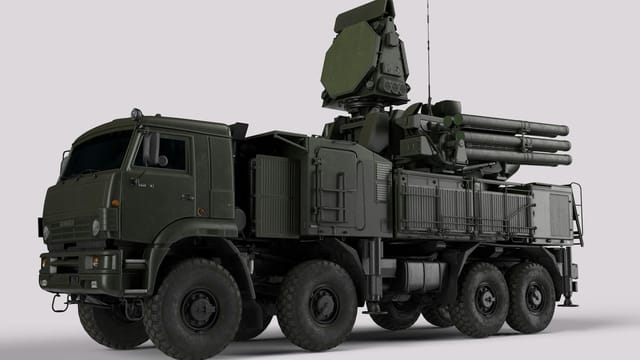
Teeth, Not Reach: Iran Says Missiles Capped at 2,000 km as Geneva Talks Resume
Iran’s foreign minister rejected U.S. claims that Tehran is building missiles capable of striking the U.S. mainland, saying Iran has limited missile ranges to 2,000 km and frames the arsenal as defensive. The declaration arrives as Iranian and U.S. representatives resume indirect nuclear talks in Geneva, and will be scrutinised for credibility and verifiability by Western and regional observers.
Iran Says a Quick Nuclear Deal Is Feasible If U.S. Accepts Tehran’s Public Pledge
Ali Shamkhani, Iran’s senior security official, said a swift nuclear deal with the United States is possible if talks centre on Tehran’s public pledge not to pursue nuclear weapons. The third round of indirect talks in Geneva, mediated by Oman and observed by the IAEA chief, underscores the tension between political assurances and the verification Western states require.
U.S. Aides Said to Prefer an Israeli Strike on Iran to Create Political Cover for American Action
U.S. media reported that some senior Trump advisers privately preferred Israel strike Iran first so Iranian retaliation would create public support for a subsequent U.S. response. The White House offered a guarded denial, Israel declined comment, and Iran's senior negotiator stressed ongoing diplomatic engagement even as tensions rise.

Iran and Oman Open Third Round of Indirect Iran‑US Talks in Geneva
Iran and Oman met in Geneva to inaugurate a third round of indirect Iran‑US talks, with Tehran outlining demands on nuclear constraints and sanctions relief and Oman offering mediation support. The meeting signals diplomatic intent but substantial obstacles remain, including mutual mistrust, sequencing of concessions, and regional opposition.
Senior U.S. Aides Said to Have Urged Israel to Strike Iran First to Create a Pretext for American Action
A Politico exclusive reported that senior advisers to President Trump privately preferred Israel to strike Iran first, hoping Iranian retaliation would create public support in the U.S. for follow-on American military action. The White House declined to confirm the claim, while the disclosure underscores how domestic political calculations are shaping high-stakes diplomacy and raising the risk of unintended escalation.

A Carrier Grounded by Toilets and Tension: What the Ford’s Troubles Reveal About U.S. Military Strain
A technical failure aboard a Ford-class aircraft carrier — compounded by signs of possible sabotage and personnel strain — has exposed broader problems in U.S. carrier readiness and rotation. These operational pressures complicate Washington’s options in the Middle East and highlight fraying allied cooperation amid talk of military action against Iran.
U.S. Demands ‘No Sunset’ on Iran’s Nuclear Limits as Geneva Talks Begin; Military Posturing and Carrier Faults Cast Shadow
On the opening day of third-round U.S.–Iran talks in Geneva, U.S. negotiators demanded that any future nuclear agreement contain no sunset clauses, seeking indefinite restrictions on Iran’s nuclear activities. The demand comes amid intensified U.S. military deployments, Iranian naval exercises and fresh sanctions — even as operational faults aboard the USS Gerald R. Ford undercut Washington’s coercive signalling.
A New Middle East War Edges Closer: Chinese Commentary Warns of Imminent U.S.–Israeli Strike on Iran
A Chinese op-ed warns that a large-scale U.S.–Israeli strike on Iran could be imminent after negotiations stalled, citing elevated military postures and preparations on all sides. The commentary stresses the risk of a protracted regional conflict—drawing in proxies, disrupting oil flows and challenging global stability—while urging China to value and protect its peace and interests.

After Geneva Talks, White House Keeps Diplomacy Front and Center — but Military Action Remains on the Table
Following indirect Geneva talks, the White House said diplomacy remains President Trump’s first choice but kept a military option open. Regional mediators described the meeting as constructive, while U.S. officials warned Iran has not yet accepted key U.S. red lines.

U.S. Orders Mid‑March Force Readiness in Middle East as Diplomacy with Iran Continues
A senior U.S. official says President Trump’s national security adviser ordered that all U.S. forces involved in a Middle East buildup be deployed by mid‑March, while Washington expects Iran to submit a written proposal after Geneva talks. Secretary of State Marco Rubio will visit Israel on February 28 to coordinate with Prime Minister Netanyahu, reflecting a parallel strategy of military readiness and diplomatic pressure.

White House Sees Limited Progress in Talks with Iran, But Major Gaps Remain
The White House said talks with Iran have achieved limited progress but remain distant on key issues, with Iran expected to submit a more detailed proposal in the coming weeks. The administration declined to set a deadline or rule out military options, underscoring a cautious, leverage-preserving approach to negotiations.
Trump Stakes Diplomacy on Coercion as Geneva Talks With Iran End in Standoff
The Geneva nuclear talks ended without agreement as US military deployments and Iranian naval drills hardened positions on both sides. Fundamental disagreements over Iran’s nuclear and missile programmes, Israeli security demands, and the timing of sanctions relief mean the risk of escalation remains high unless negotiators find a politically credible compromise.