
# NATO
Latest news and articles about NATO
Total: 137 articles found

Starmer Sends Carrier to the High North: Britain Reasserts Naval Muscle and NATO Resolve
At the Munich Security Conference, UK Prime Minister Keir Starmer announced a carrier strike group, including HMS Prince of Wales, will deploy to the North Atlantic and the High North this year. The move is intended as a signal of NATO resolve, a prompt to European defence cooperation and a demonstration of Britain’s post‑Brexit security role, while also heightening strategic competition in the Arctic.

Munich Security Conference Closes Under a Shadow of Transatlantic Strain
The 62nd Munich Security Conference ended on 15 February with transatlantic tensions prominent throughout the event. Debates over burden‑sharing, approaches to Russia and China, and the limits of U.S. reliability highlighted growing strategic divergences between Europe and America.

NATO’s 'Arctic Sentinel' Risks Becoming Political Rebranding Rather Than New Strategy
NATO launched the “Arctic Sentinel” operation on 11 February to unify allied activities in the Arctic and the High North after tensions sparked by U.S. President Trump’s remarks about Greenland. Critics argue the move is largely political symbolism intended to placate Washington and repackages existing efforts rather than creating new military capability.

At Munich Security Conference, Merz Urges Europe to Build ‘Strategic Autonomy’ Amid Great‑Power Strains
At the Munich Security Conference, German Chancellor Friedrich Merz urged Europe to accelerate the development of strategic autonomy in response to Russia’s war in Ukraine, U.S.–China rivalry, and fragile transatlantic guarantees. The call signals a shift toward concrete investment in defence, supply‑chain resilience and industrial cooperation, while highlighting the challenge of balancing autonomy with transatlantic partnership.

Munich Security Conference Opens as Ischinger Calls for a Transatlantic 'Reset' and a Stronger, United Europe
The 62nd Munich Security Conference opened on February 13 with Wolfgang Ischinger warning that the transatlantic partnership is at a crossroads and calling for a unified, stronger Europe. The gathering—attended by more than 1,000 delegates including over 60 heads of state—aims to forge a "transatlantic reset" amid what Ischinger described as unprecedented global security challenges.

NATO Launches 'Arctic Sentinel' to Centralize Command and Boost Presence in the High North
NATO has launched "Arctic Sentinel," a multi‑domain operation led by Joint Force Command Norfolk to centralize allied command and strengthen presence across the Arctic and High North. The initiative reflects growing strategic competition in the region and a desire to improve coordination among Nordic and NATO partners in a challenging operational environment.
Tension in Kangerlussuaq: Greenland Town Uneasy as NATO Forces Rally and U.S. Rhetoric Stokes Fears
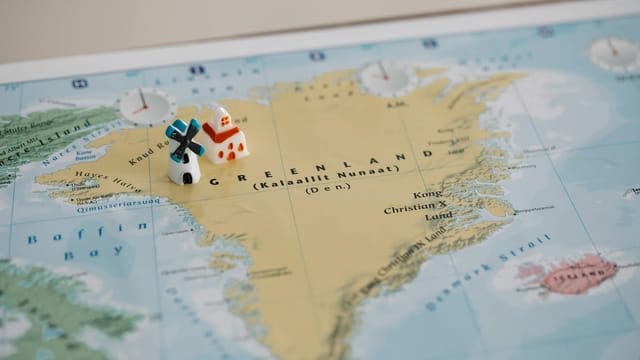
Denmark has declared a temporary military zone in Kangerlussuaq as a NATO-led "Arctic Endurance" exercise brings multiple European forces to Greenland, prompting local anxiety. Residents and Greenlandic officials welcome security cooperation in principle but warn that rhetoric suggesting external control of the island risks undermining sovereignty and fueling opposition.
U.S. to Hand Two Major NATO Commands to Europe as Washington Recasts Its Role
NATO will reassign two major regional command posts—Naples to Italy and Norfolk to the United Kingdom—as part of a planned redistribution of senior officer duties within the alliance. The changes reflect U.S. efforts to rebalance responsibilities as Washington pivots priorities globally while keeping top operational commands and the Supreme Allied Commander Europe under U.S. control.
The Troubled Partnership Frays: US–Europe Rift Exposes a New Postwar Reality
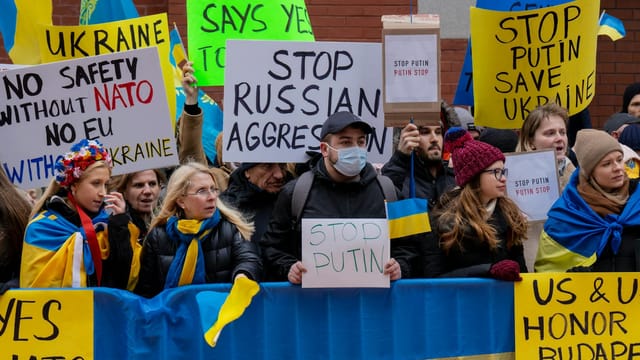
Blunt American criticisms at high‑profile international meetings have exposed deepening fractures in US–European relations, driven by economic shifts, divergent values and contested security expectations. The rupture raises questions about NATO’s cohesion, the future of the liberal international order and Europe’s push for strategic autonomy, with broad consequences for global stability and alignment.
Queen Máxima Joins Dutch Army Reserves — A Royal Signal on European Security
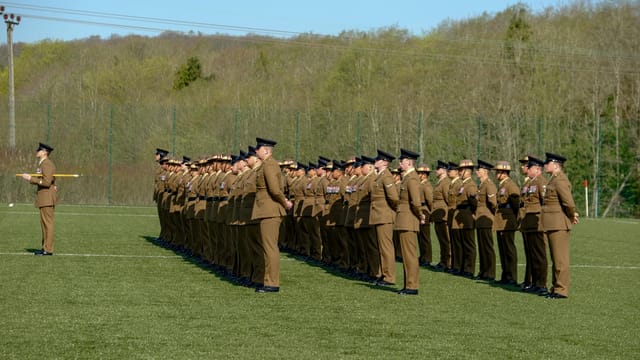
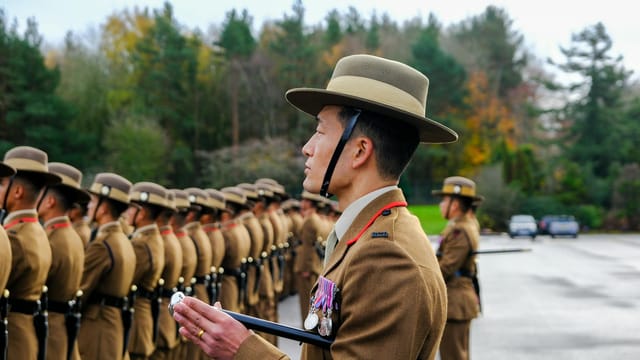
Queen Máxima has joined the Dutch army reserves at 54, undergoing training and receiving the rank of soldier with a promised promotion to lieutenant-colonel upon completion. The enlistment is a symbolic show of solidarity with the armed forces amid broader European efforts to strengthen defence and reduce reliance on the United States.
Queen Máxima Joins Dutch Army as Reservist — A Royal Response to Rising European Security Concerns
Queen Máxima has joined the Dutch army as a reservist and begun training, saying the move reflects a belief that national security can no longer be taken for granted. The enlistment is both symbolic and practical — reinforcing public support for defence while aligning the monarchy with broader European efforts to strengthen military readiness.
Slovak MEP Blaha: US Unilateralism Exposes Need for Greater EU Strategic Autonomy
Slovak MEP Luboš Blaha accused the United States of imperialist behavior over recent comments on Greenland and a reported military move in Venezuela, declaring NATO moribund and calling for greater EU autonomy. His remarks reflect and may intensify an ongoing European debate over strategic independence, economic resilience and how to respond to perceived U.S. unilateralism.