
# Naval%20Warfare
Latest news and articles about Naval%20Warfare
Total: 32 articles found

Algorithmic Warfare: The Pentagon’s Landmark Alliance with Big Tech
The Pentagon has signed historic agreements with seven leading tech giants, including OpenAI and SpaceX, to transition the U.S. military into an AI-first fighting force. These systems are already being deployed to clear mines in the Strait of Hormuz, utilizing autonomous drones to secure global shipping lanes.
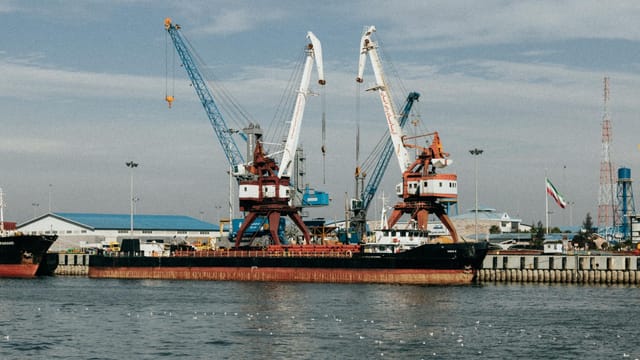
Standoff at the Strait: Trump’s Blockade Strategy Pushes Iran Toward the Brink
The U.S. has intensified its maritime blockade of Iran, with President Trump rejecting partial diplomatic deals in favor of total nuclear surrender. Iran has warned of unprecedented military retaliation if the blockade continues, as both nations surge naval assets to the Strait of Hormuz.
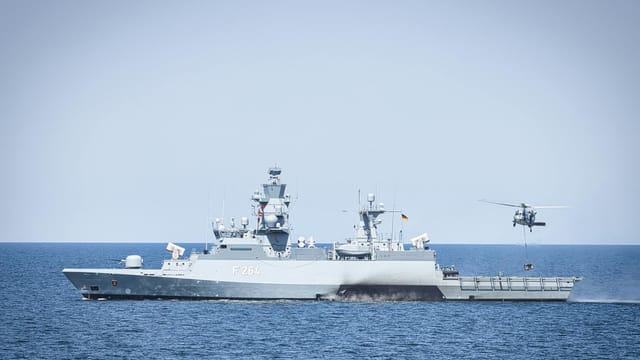
Teheran’s Shadow Play: The Strategic Calculus Behind Iran’s ‘Dreadful’ New Arsenal
Iran's naval commander has announced the upcoming debut of a "dreadful" new weapon intended to deter international adversaries. The announcement highlights Teheran's ongoing commitment to asymmetric maritime capabilities and psychological warfare in key global shipping lanes.
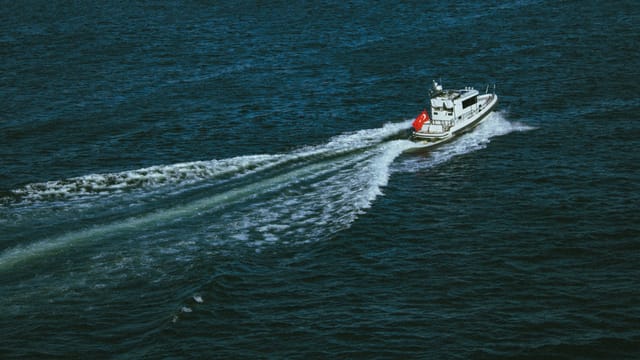
Echoes of the Tanker War: Why the Strait of Hormuz is Edging Toward an Explosive Confrontation
Escalating naval tensions in the Strait of Hormuz have reached a breaking point following a U.S. seizure of an Iranian vessel and a failed diplomatic opening. Internal Iranian politics and a 'maximum pressure' stance from the Trump administration have combined to revive the specter of a full-scale maritime conflict similar to the 1980s Tanker War.
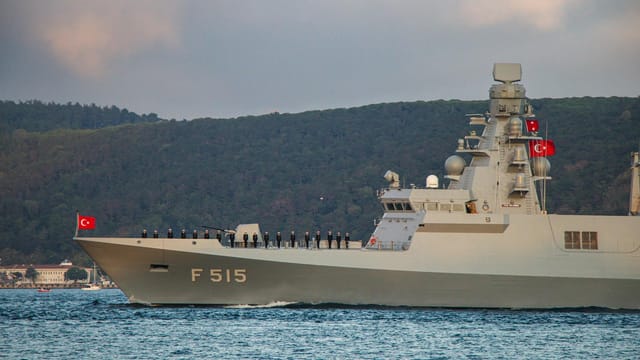
Maritime Entente: Japan and Australia Seal Landmark Deal to Build Next-Generation Frigates
Japan and Australia have signed a landmark agreement to jointly develop 11 naval frigates based on the Mogami-class design, with a total investment of A$20 billion. The deal signals Japan's emergence as a major defense exporter and reinforces the 'quasi-alliance' between Tokyo and Canberra as they seek deeper military interoperability in the Indo-Pacific.

The Hormuz Trap: Why a Fragile Peace is Sinking in the Persian Gulf
A breakdown in diplomatic communication and the persistence of US 'maximum pressure' tactics have pushed the Strait of Hormuz to the brink of a major naval conflict. Following the US seizure of an Iranian vessel, Tehran's internal politics have shifted toward a hardline stance, raising the specter of a modernized 'Tanker War' that could paralyze global energy transit.
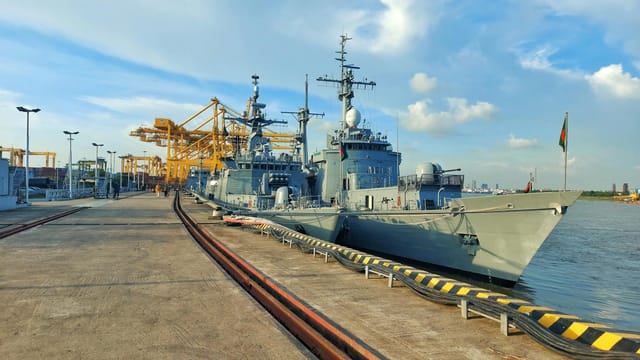
Rising Sun, Southern Cross: Japan Shatters Postwar Taboos with Landmark Frigate Deal for Australia
Japan and Australia have finalized a historic 10 billion AUD deal for the export of upgraded Mogami-class frigates, marking Japan's largest defense sale in the postwar era. The agreement reflects a major shift in Tokyo's defense posture and a significant deepening of the strategic partnership between the two Indo-Pacific nations.
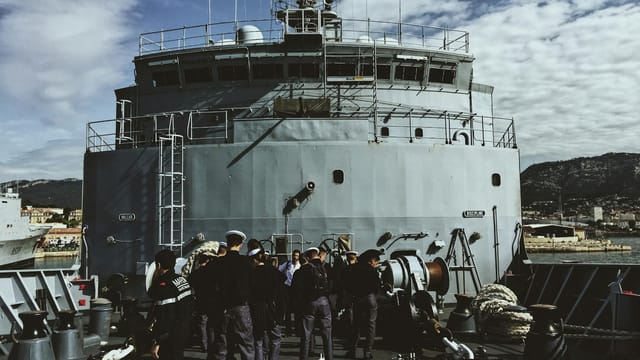
Beijing’s 20-Hour Shadow: PLA’s Persistent Maritime Standoff Signals Growing Naval Assertiveness
A 20-hour confrontation between a PLA Navy vessel and a foreign warship highlights Beijing's increasing capability for long-duration maritime surveillance and expulsion tactics. This shift toward persistent 'shadowing' operations underscores a new phase of assertive maritime strategy in the region.
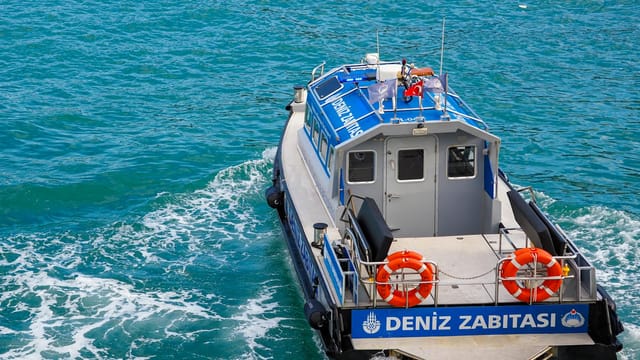
Maritime Autonomy: The Anglo-French Bid to Reclaim the Strait of Hormuz
France and the UK are spearheading an independent maritime coalition to clear mines in the Strait of Hormuz, intentionally excluding the US and Iran to de-escalate regional tensions. This mission underscores Europe's superior mine-countermeasure technology and its growing desire for strategic autonomy in global security matters.
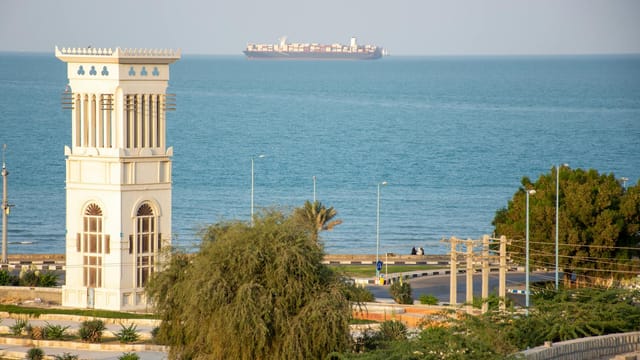
A War of Attrition in the Gulf: Trump Signals Final Blow to Iranian Naval Capabilities
President Trump has issued a stark ultimatum to Tehran, vowing the immediate destruction of any Iranian fast attack boats entering US-designated blockade zones. Claiming that 158 Iranian vessels have already been neutralized, the administration is adopting a lethal, 'shoot-to-kill' maritime policy similar to anti-narcotics operations.
Gunboat Diplomacy 2.0: Washington Tightens the Noose Around Iranian Ports
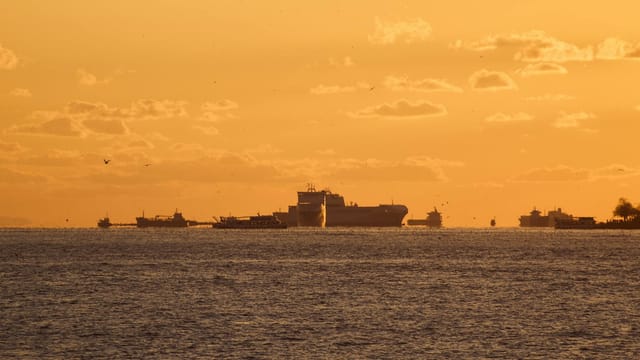
The United States has launched a massive blockade of Iranian ports involving 10,000 personnel and dozens of warships, strictly controlling traffic through the Strait of Hormuz. While some commercial transit has resumed, the blockade has successfully forced several merchant ships to retreat, marking a significant escalation in regional tensions.
High-Stakes Shadowboxing: Decoding the Latest Naval Standoff in the Strait of Hormuz
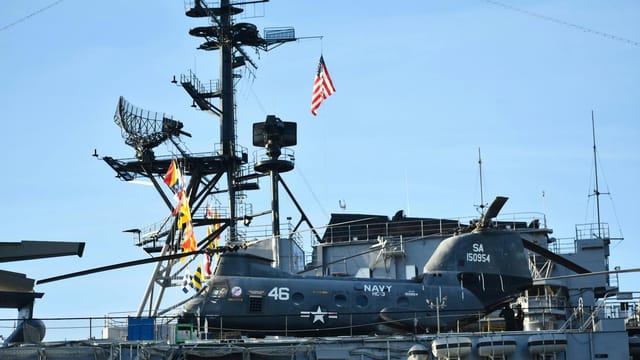
A recent naval incident in the Strait of Hormuz involving a U.S. destroyer being targeted by Iranian radar signals a hardening of Tehran's maritime strategy. This escalation underscores the increasing risks of asymmetric warfare in one of the world's most critical energy corridors.