
# PBOC
Latest news and articles about PBOC
Total: 15 articles found

China's New RMB Loans Rose 10.38 Trillion Yuan in First Seven Months
Central bank data shows steady corporate borrowing balanced by a contraction in household loans and slower total social financing growth.

China Prepares New Fiscal-Monetary Measures to Spur Domestic Demand
The Ministry of Finance plans further coordination with the central bank after expanding interest subsidies for consumer credit and small business loans.

China's Central Bank to Issue Jiang Zemin Centenary Commemorative Coins
The People's Bank of China will release a four-coin set marking the 100th anniversary of the former leader's birth, including gold, silver, and standard coins.

China Expands Cross-Border Cash Management Scheme for Multinational Companies
PBOC and SAFE roll out nationwide centralized local and foreign currency cash pooling rules with lowered entry thresholds.

China Expands Cross-Border Multi-Currency Fund Pooling Nationwide for Mid-Sized Multinationals
The People's Bank of China and SAFE expand cross-border centralised fund operations, lowering thresholds to help smaller multinationals streamline liquidity.

China's Central Bank Pledges Counter-Cyclical Policy Support
The People's Bank of China plans incremental policy tools and closer fiscal coordination as targeted lending supports private firms.

PBOC to Conduct 1 Trillion Yuan Outright Reverse Repo Operation
The central bank rolls over six-month liquidity to maintain stable cash conditions across China's banking sector.

PBOC Q2 Report Focuses on Imported Inflation and Structural Credit Allocation
China's central bank maintains a moderately loose stance while directing targeted lending toward technology, green growth, and private small businesses.

PBOC to Conduct Overnight Reverse Repos Capped at 600 Billion Yuan Daily
The central bank announces mid-August operations to fine-tune short-term liquidity as government bond issuances accelerate.

China's Central Bank Outlines 15th Five-Year Reform Plan and Nine Action Plans
The People's Bank of China releases its strategic blueprint for monetary policy, macroprudential governance, financial opening, and technological infrastructure through 2030.

PBOC Expands Monetary Toolkit with Overnight Reverse Repos
The People's Bank of China introduces overnight liquidity operations to refine short-term liquidity management and stabilize interbank cash flows.
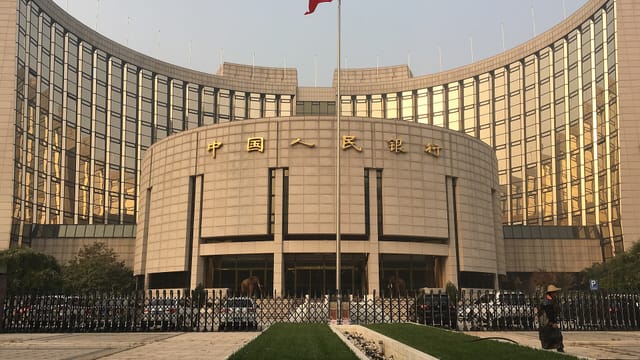
PBOC to Inject Net Liquidity via 500 Billion Yuan Repo Operation
China's central bank expands three-month liquidity support with a net 200 billion yuan injection to maintain stable bank reserves.