
# Persian%20Gulf
Latest news and articles about Persian%20Gulf
Total: 93 articles found
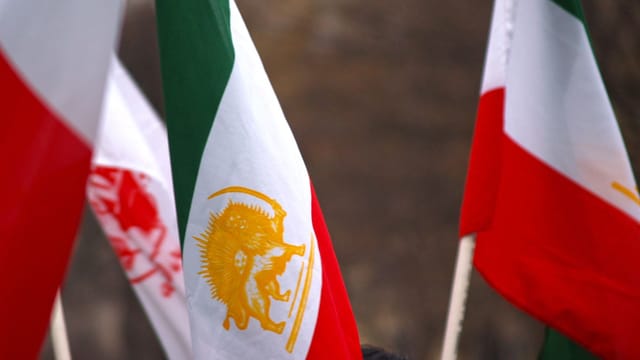
Maximum Pressure, Minimum Gains: Deconstructing the US-Iran De-escalation Memorandum
A leaked 14-point memorandum between the US and Iran suggests a significant American retreat, trading the lifting of sanctions and a $300 billion reconstruction plan for a return to pre-war maritime stability and recycled nuclear promises. The deal notably omits previous US demands regarding Iran's missile program and regional proxies, signaling a shift toward pragmatic de-escalation.
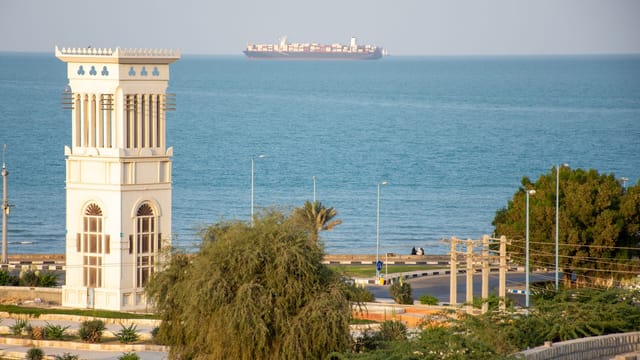
Tehran’s Gambit: The 14-Point Plan to Redraw the Persian Gulf
Tehran and Washington have reportedly drafted a 14-point memorandum that includes a U.S. military withdrawal and the reopening of the Strait of Hormuz. President Trump has signaled that a deal is nearly finalized, potentially marking a historic de-escalation in the Persian Gulf.
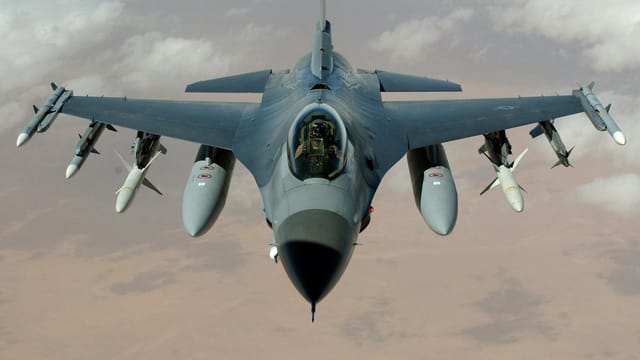
A Duel in the Gulf: US Thwarts Iranian Missile Barrage Amid Surging Regional Tensions
US forces successfully intercepted a series of Iranian missiles and drones targeting key military installations in Bahrain and Kuwait following alleged US strikes on Iran. While Tehran claims successful hits on the Fifth Fleet, Washington reports no damage or casualties, marking a sharp escalation in the direct military confrontation between the two powers.

Trump’s Great Realignment: Why the White House is Defending Tehran While Rebuking Jerusalem
Following Iranian drone strikes on U.S. bases in the Gulf, Donald Trump has unexpectedly defended Iran’s actions as a response to U.S. provocation. This shift highlights a deepening rift between Washington and Jerusalem as the U.S. prioritizes a temporary peace deal to stabilize oil prices ahead of domestic elections.
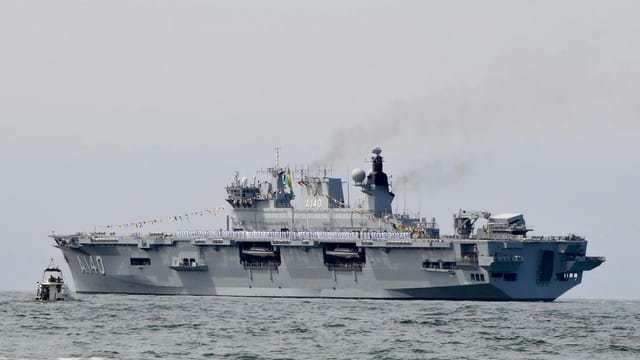
Gulf Escalation: U.S. Neutralizes Iranian Missile Barrage and Strikes Back at Qeshm Island
U.S. forces successfully intercepted a wide-scale Iranian missile and drone attack targeting civilian shipping and regional neighbors. In response, CENTCOM conducted a defensive strike on an Iranian control station on Qeshm Island while vehemently denying Iranian claims of a successful hit on the U.S. Fifth Fleet headquarters.
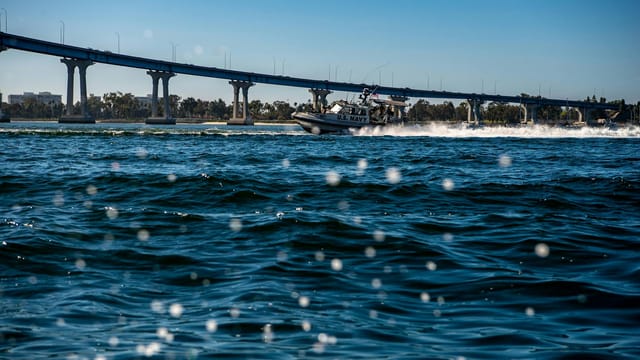
Throttling the Gulf: US Maritime Blockade of Iran Forces Massive Shipping Reroutes
US Central Command has confirmed an active maritime blockade against Iran, impacting 123 vessels to date. The operation, involving the USS Milius, has forced significant rerouting of international shipping and signals a major escalation in US-Iran tensions.
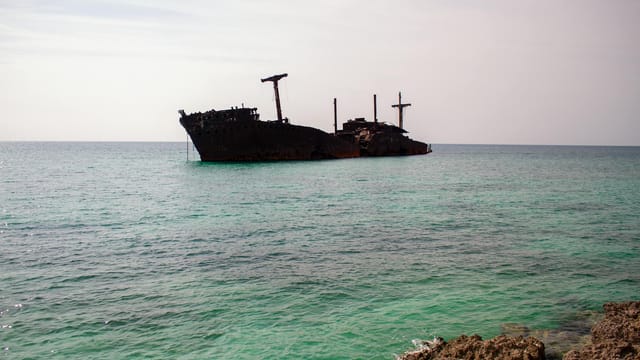
Tehran Signals Escalation as Missiles Fly and Maritime Tensions Surge in the Persian Gulf
Iran has initiated a series of military maneuvers in the Persian Gulf, including missile launches and warning shots at maritime vessels in the Strait of Hormuz. The escalation, which reportedly includes the interception of a hostile drone, marks a significant spike in regional tensions and a direct challenge to international freedom of navigation.

The High Cost of Inconsistency: Why the US-Iran ‘Talk and Strike’ Paradox is Failing
Recent military clashes between the U.S. and Iran have derailed a potential diplomatic breakthrough regarding asset unfreezing. The escalation underscores the failure of 'maximum pressure' tactics and highlights the rising costs of a strategy that lacks clear political objectives.

Tehran’s Aerial Defiance: The Strategic Calculus Behind Iran’s MQ-9 Takedown
Iran has released footage documenting the destruction of a U.S. MQ-9 Reaper drone, showcasing enhanced air defense capabilities and a more aggressive stance toward American surveillance. The incident highlights the eroding technological advantage of U.S. unmanned systems in contested regional airspace.
Silent Sentry: Iran Claims New Stealth-Killing Defense System as Drones Swarm the Gulf
Iran claims its new 'Arash Archer' defense system successfully intercepted an enemy drone over the Persian Gulf. The incident near Qeshm Island highlights Tehran's focus on developing counter-stealth technologies to challenge Western aerial supremacy in the region.
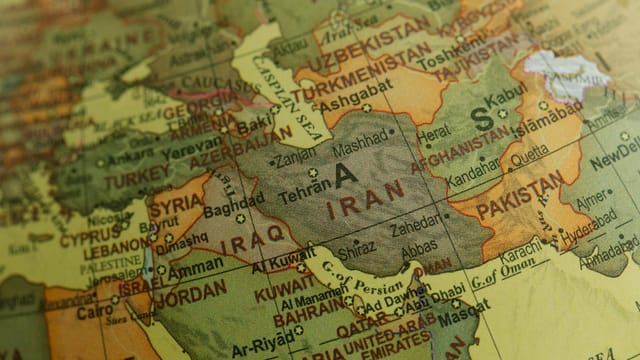
A Fragile Peace at Sea: US-Iran Clashes Threaten to Unravel Recent Ceasefire
Tensions have surged as Iran claims to have downed a U.S. MQ-9 drone and accused Washington of violating a ceasefire through 'maritime piracy' and airstrikes. The U.S. maintains its actions were self-defense strikes against missile sites and minelaying activities, highlighting the extreme fragility of the current regional truce.

Brinkmanship and Breath: Trump Pauses the Clock on Iran Strike
President Trump has announced a 48-to-72-hour pause in military escalations with Iran to allow for Pakistani-mediated negotiations. While maintaining a threat of a 'heavy blow' if talks fail, the administration is prioritizing a potential comprehensive deal over immediate conflict.