
# Semiconductors
Latest news and articles about Semiconductors
Total: 480 articles found

The Memory Supercycle: AI Infrastructure Propels Global DRAM Revenue to Record $100 Billion Milestone
Global DRAM revenue surged 80% in Q1 2026 to nearly $100 billion, driven by the explosive growth of AI data centers and high-bandwidth memory demand. With prices expected to rise another 50% in Q2, the industry is entering a historic supercycle led by Samsung, SK Hynix, and Micron.

Beyond the GPU: AI’s Voracious Appetite for Memory Fuels a Trillion-Dollar Surge
SK Hynix and Micron have joined the trillion-dollar club as the AI boom shifts focus from GPUs to High Bandwidth Memory (HBM). This valuation surge marks the transformation of memory chips from cyclical commodities into strategic infrastructure, with major tech firms racing to lock in long-term supply.
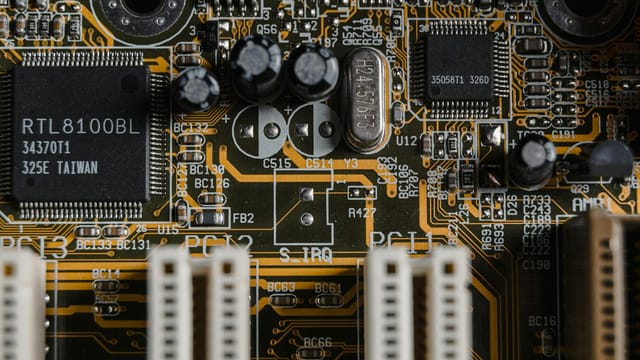
Huawei’s ‘Tao Law’ Strategy: Redefining the Semiconductor Ruler to Bypass the Lithography Wall
Huawei has introduced the 'τ (Tao) Law' as a successor to Moore's Law, pivoting the semiconductor industry from transistor shrinking to system-wide latency reduction. Through 'Logic Folding' and 3D integration, the company aims to achieve cutting-edge performance on mature manufacturing nodes, effectively bypassing Western lithography constraints.

Chasing the ‘iPhone Moment’: China’s Tech Giants Bet Big on the AI Glasses Supply Chain
Chinese tech firms and supply chain manufacturers are aggressively positioning themselves for a boom in AI glasses. By focusing on critical Micro LED optics and specialized semiconductors, these companies aim to dominate the hardware foundation of the next major computing platform.
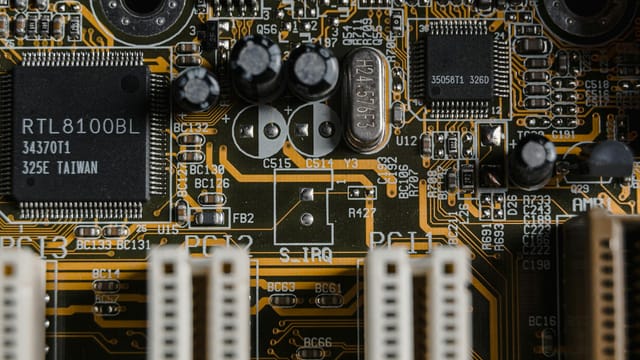
AI-Driven Material Discovery: The New Frontier in the Gallium Semiconductor Race
Researchers have developed an AI-powered 'Smart Material Discovery Engine' that significantly accelerates the identification of new gallium-based semiconductor materials, bypassing years of traditional experimental testing.

Beyond the Nanometer: Huawei’s Radical Pivot to Transcend Moore’s Law
Huawei is shifting its semiconductor strategy away from traditional transistor miniaturization toward 'Logic Folding' and system-level efficiency. This new framework, dubbed 'Tao’s Law,' aims to achieve 1.4nm-equivalent performance by 2031 using existing manufacturing capabilities to bypass current physical and geopolitical constraints.
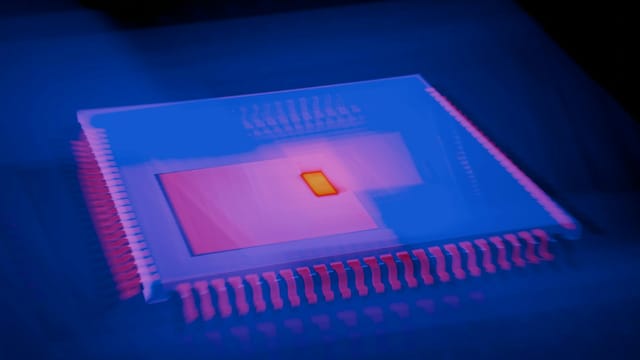
Micron’s Trillion-Dollar Ascension: How the AI Memory Boom Rewrote the Semiconductor Playbook
Micron Technology has surpassed a $1 trillion market capitalization following a 210% year-to-date surge driven by the AI-fueled demand for high-bandwidth memory. The milestone signals a fundamental shift in the semiconductor industry, elevating memory chips from cyclical commodities to essential strategic assets.
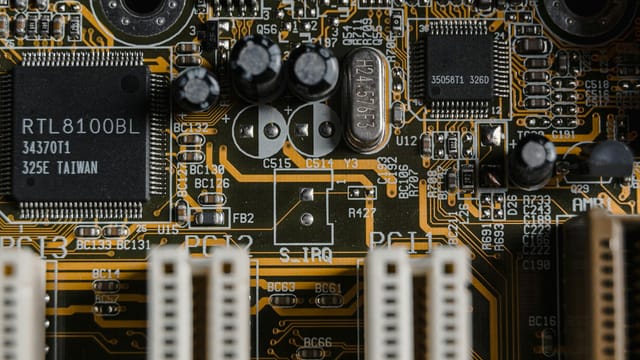
Huawei Proposes ‘Tao’s Law’ to Rewrite Semiconductor Evolution in the Post-Moore Era
Huawei has launched 'Tao’s Law' to replace Moore's Law with a focus on 'logical folding' and advanced packaging, aiming to circumvent lithography limits. Coupled with Alibaba's AI successes, these moves are driving a significant rebound in Hong Kong-listed tech stocks.
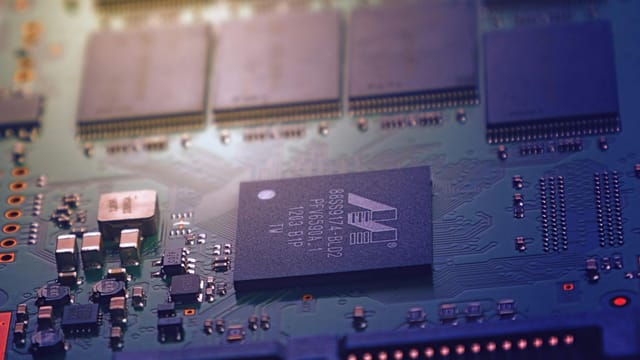
A €4bn Jurisdictional Trap: Wingtech’s Dutch Semiconductor Dream Turns into a Delisting Nightmare
Wingtech Technology's multi-billion dollar acquisition of Nexperia has devolved into a geopolitical crisis, with Dutch courts and government officials effectively seizing control of the asset. The loss of operational oversight has triggered a market cap collapse and delisting warnings, leaving Chinese investors facing massive losses.
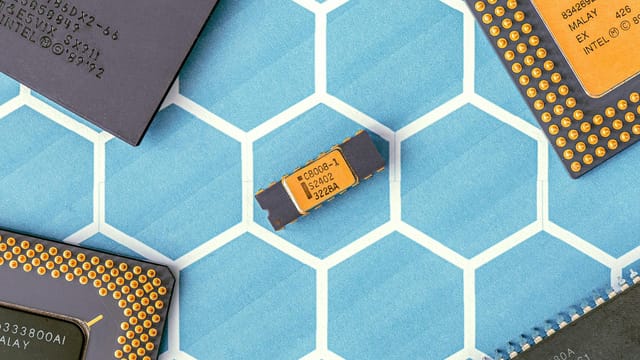
Huawei’s ‘Tao’ Gambit: Chasing Time to Outrun Semiconductor Sanctions
Huawei is pivoting away from traditional Moore's Law scaling in favor of the 'Tao (τ) Law,' a strategy focused on reducing signal latency through 3D stacking and architecture rather than shrinking transistors. This approach aims to achieve 1.4nm-equivalent performance by 2031 using mature lithography nodes, bypassing current Western export restrictions.
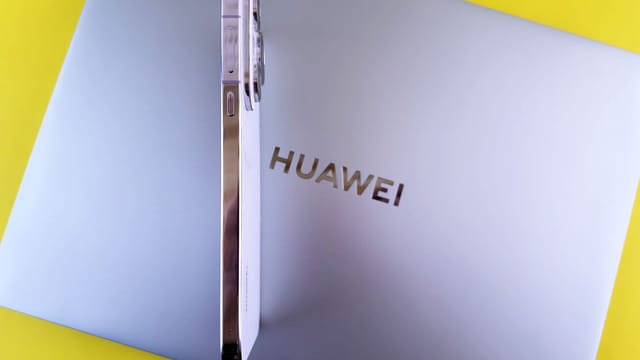
Beyond Moore’s Law: Huawei Unveils ‘Tao’ Strategy to Outrun Global Chip Sanctions
Huawei has launched the 'Tao Law,' a strategic semiconductor framework focused on 'Logic Folding' to increase chip performance and density. This architectural approach aims to achieve 1.4nm-equivalent density by 2031, providing a path for China to bypass Western restrictions on advanced lithography equipment.

Silicon Architecture as Geopolitics: Huawei’s ‘Tao’s Law’ Challenges the Moore Era
Huawei has unveiled 'Tao’s Law,' a strategic semiconductor framework that prioritizes 'Time Scaling' and 'Logic Folding' over traditional transistor miniaturization. This architectural shift aims to sustain performance gains and achieve 1.4nm-class density despite restricted access to advanced global lithography tools.