
# Trade%20Policy
Latest news and articles about Trade%20Policy
Total: 30 articles found
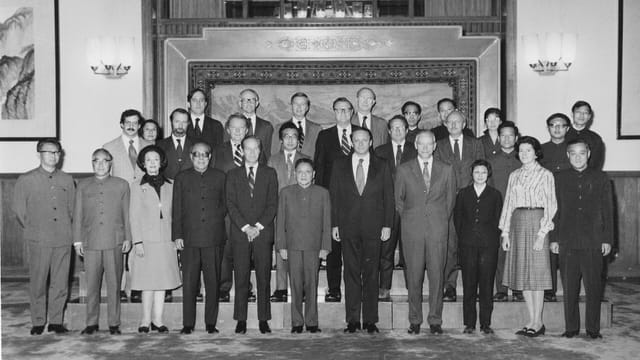
China and US Open Economic and Trade Consultations in New York
A Chinese delegation led by Vice Premier He Lifeng opens talks in the United States to address bilateral economic and trade concerns.

China Reshuffles Senior Officials Across Trade, Finance, and Cyberspace
Beijing appoints ministerial and vice-ministerial officials across international trade, industrial policy, financial oversight, and cyberspace regulation.

China Rejects Voluntary Caps on Hybrid Vehicle Exports to European Union
Commerce ministry says reported demands contravene WTO rules as trade friction expands beyond pure electric vehicles.

Haikou Forum Releases Declaration on Digital and Commercial Governance
A CCPIT-backed business and legal summit calls for multilateral consensus on artificial intelligence regulation and supply chains.

Wang Yi Urges France to Uphold One-China Principle and Ease EU Trade Tensions
In a call with French counterpart Jean-Noël Barrot, China's foreign minister warns against protectionism and calls for constructive dialogue.
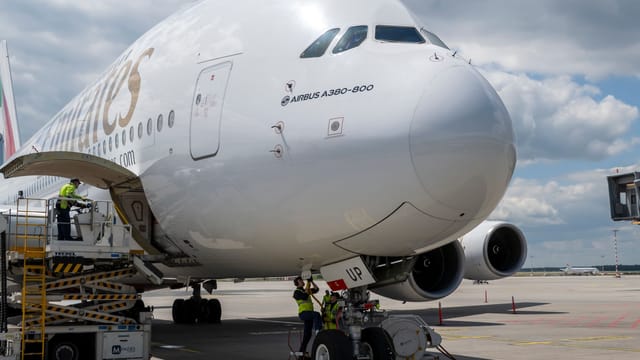
China Issues 13 Measures to Expand Aviation Bonded Maintenance Sector
Nine government departments lift geographic curbs, ease customs oversight, and clarify tax rules to boost high-value aviation services.
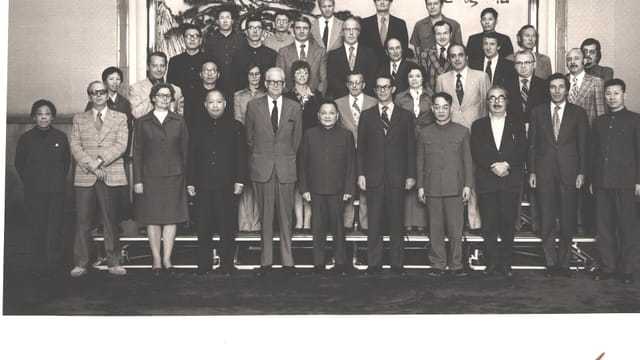
Chinese Vice Premier He Lifeng Meets Canada-China Business Council Leader
Beijing encourages Canadian enterprises to share in domestic growth opportunities as bilateral engagement continues via commercial channels.
China Signals Deeper Market Access at Investment Fair in Xiamen
Vice President Han Zheng highlights zero manufacturing curbs and service-sector opening at the 26th CIFIT.

Xi Jinping and UK Prime Minister Burnham Hold Talks on Bilateral Ties
In their first phone call, Beijing proposed services market opening under the 15th Five-Year Plan while Downing Street signaled policy continuity.

Beijing Pilot Free Trade Zone Expands Institutional Opening Reforms
Regulatory experiments in cross-border data flows, rare disease drug imports, and financial services yield models for wider rollout.

China and Switzerland Conclude Negotiations on Upgrading Free Trade Pact
The two nations aim to expand market access across goods, services, and investment following five rounds of talks launched in 2024.

China Pledges Market Support and Regional Ties at APEC SME Ministerial
Speaking in Guangzhou, Vice Premier Zhang Guoqing emphasized specialized innovation and promised stability for foreign small enterprises operating in China.