
# energy%20security
Latest news and articles about energy%20security
Total: 63 articles found

Historic Surge: China’s Big Three Oil Majors Close at Daily Limit as Brent Jumps on Middle East Strike
China’s three state oil majors—PetroChina, Sinopec and CNOOC—simultaneously closed at their daily trading limit for the first time, driven by an abrupt spike in Brent crude following a US-Israel strike on Iran. The move reflects a rapid repricing of geopolitical supply risk after disruptions in the Strait of Hormuz and underscores how Chinese markets amplify global energy shocks.

Goldman Says Markets Have Priced an $18/Barrel 'Iran Shock' — A Warning of Strait of Hormuz Vulnerability
Goldman Sachs has priced an $18-per-barrel risk premium into crude markets amid reports of severe escalations involving Iran and damage to regional shipping. The premium reflects market concern that a closure of the Strait of Hormuz or other disruptions could swiftly remove millions of barrels per day from global supply, amplifying oil, gas and freight costs despite existing spare capacity and inventories.

Hormuz Shutdown and Leadership Strikes Trigger Supply Shock — Gold Tops $5,400 as Oil Soars
A sharp escalation in the Middle East after strikes on Iran prompted Tehran to ban transits through the Strait of Hormuz, quickly sending gold above $5,400 and causing Brent crude to surge. Analysts warn that a prolonged closure of Hormuz could remove 8–10 million barrels per day from the market, pushing prices much higher and elevating inflation and geopolitical risk worldwide.
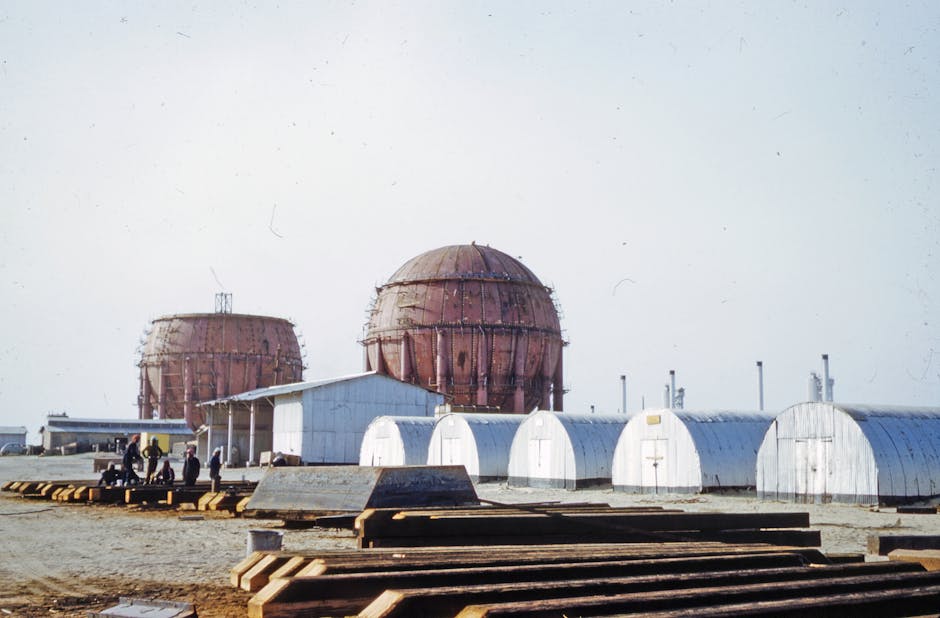
Worst-Case Oil Shock Looms as Strait of Hormuz Incident Threatens Global Supplies
Following US and Israeli strikes on Iran and an IRGC ban on transit through the Strait of Hormuz, the global oil market faces the risk of a large supply shock. Analysts warn that prolonged disruption—especially if Saudi infrastructure were targeted—could send crude above $100 a barrel and push LNG back to 2022 highs, with wide economic consequences.
Middle East Escalation Paralyzes Air Travel and Threatens Global Oil Flows
A rapid escalation between Iran, the United States and Israel has shut airspace across at least eight Middle Eastern countries, stranded hundreds of thousands of passengers and prompted Iran to block the Strait of Hormuz. The disruption threatens a significant portion of global seaborne oil flows and risks a sharp rise in energy prices, even as international agencies monitor supplies and markets respond nervously.
Israel’s Strike on Iran Sends Oil Markets and Geopolitics Reeling
Israel’s March 1 strike on Iran, which included explosions near Tehran’s political centre, has sharply raised the risk premium on oil markets and heightened the prospect of a wider regional war. Immediate price volatility reflects fears of disrupted Iranian exports and threats to shipments through the Strait of Hormuz, while longer-term effects could accelerate supply diversification and energy transition efforts.
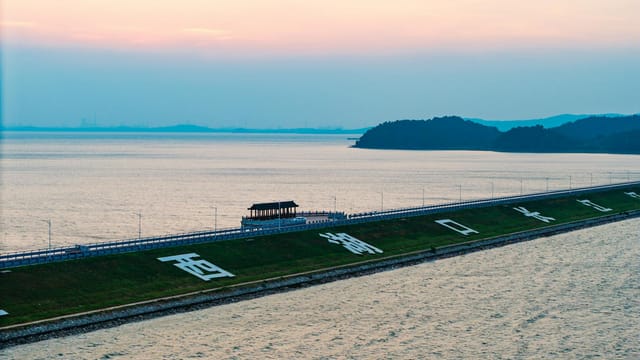
Chinese Crew Keeps Lights On: Lunar New Year at Turkey’s Tuz Lake Gas Storage Project
More than 200 workers from a Chinese construction firm and Turkish staff stayed on site at the Tuz Lake underground gas storage expansion in Aksaray to maintain operations and lay pipelines over Lunar New Year. The project, a Turkish national priority, will bolster gas storage capacity and缓解 energy supply risks while also illustrating China’s growing role in overseas energy infrastructure and infrastructure diplomacy.

Iran Rejects ‘Zero Enrichment’ Demand, Flashes Missile Muscle and Seeks Backup from China and Russia
After secret talks in Oman, Iran has rejected U.S. demands for a complete halt to uranium enrichment and set strict red lines excluding missiles and regional influence from negotiations. Tehran’s public briefing to Russia and China and a high‑profile missile display signal it is preparing for both diplomacy and deterrence, raising the stakes for Washington and its allies.

Leaked Draft Shows U.S. Tying Iran Deal to Cuts in Oil Sales to China — A Strategic Move Beyond the Gulf
A leaked draft published by Israeli sources shows U.S. negotiating demands on Iran include a reduction of Iranian oil exports to China, turning a nuclear and regional-security dialogue into a broader U.S.–China contest. Tehran is unlikely to accept terms that undermine its deterrent capabilities and economic lifelines, and the clause risks pushing Iran closer to Russia and deepening great‑power geopolitical rivalry.

U.S. Signals Renewed Focus on East Mediterranean as Ambassador Hints at Trump Visit to Greece
The U.S. ambassador to Greece said President Trump plans an official visit to Athens, a move that signals renewed American attention to the eastern Mediterranean. The announcement, made at a first-lady documentary premiere, carries strategic weight amid regional maritime disputes and growing U.S. energy and defence interests. Key questions remain over timing and whether the trip will include other regional players such as Israel, Cyprus or Turkey.

UAE President Cancels Japan State Visit as Iran‑US Tensions Rise, Underscoring Gulf’s Diplomatic Tightrope
The UAE president has cancelled a planned state visit to Japan amid rising U.S.–Iran tensions, a move widely interpreted as a precautionary response to growing regional instability. The decision underscores Gulf states’ delicate balancing between security ties with the United States and pragmatic engagement with Iran, with implications for diplomacy, energy markets and regional risk calculations.

Khamenei Warns U.S. Action Could Spark 'Full-Scale' Regional War
Iran’s Supreme Leader warned that U.S. military action would precipitate a “regional full-scale war,” intensifying concerns about how local incidents could balloon into broader conflict. The statement raises the political and strategic cost of strikes in the region, with implications for regional proxies, energy markets and global diplomacy.