
# regional%20security
Latest news and articles about regional%20security
Total: 69 articles found

Why a US–Israeli Ground Invasion of Iran Remains Improbable: Logistics, Politics and Regional Limits
Political constraints in Washington, hedging by Gulf states and the daunting logistical, geographic and asymmetric-defence challenges inside Iran make a large-scale US–Israeli ground invasion unlikely in the short term. Expect a continued reliance on airstrikes, naval control efforts and limited operations rather than a full-scale occupation unless Iran’s internal stability collapses.

Confusion in Tehran: Ahmadinejad’s Fate Unclear After Strikes as Rivals Trade Claims
Conflicting reports emerged after strikes in Tehran left the fate of former president Mahmoud Ahmadinejad uncertain, with Israeli media claiming he was killed and aides and Iranian outlets denying it. The episode underscores the symbolic weight of attacking a well-known hardliner and the risk such actions pose for escalation and internal Iranian politics.
Three US Warplanes Crash in Kuwait — A Rare Incident That Signals Rising Gulf Tensions
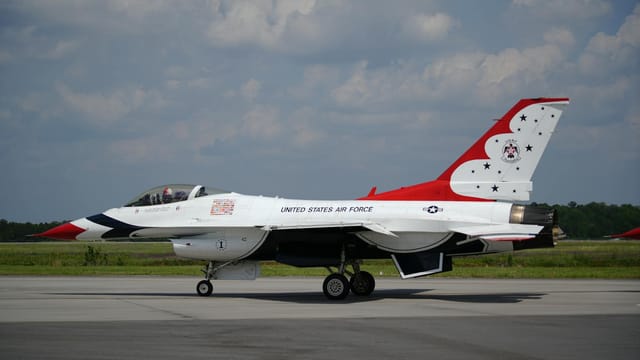
Three US military aircraft reportedly crashed in Kuwait on 2 March 2026, an occurrence described by Chinese media as rare and suggestive of rising confrontations in the Gulf. With official details absent, the incident raises questions about maintenance, operational strain, or possible hostile action and has implications for US force posture and regional stability.

Iran Says It Is Targeting US Bases, Not Gulf Governments — A Warning with Wide Ripples
Iran has publicly framed recent strikes on military facilities in Gulf countries as attacks on US territory rather than on host governments, saying it does not intend to target Gulf rulers. The posture aims to deter further US action while complicating Gulf states’ security relationship with Washington and raising the risk of continued tit-for-tat escalation in the region.
Iran Strikes Israel with Advanced Missiles, Raising Risk of Wider Middle East Escalation
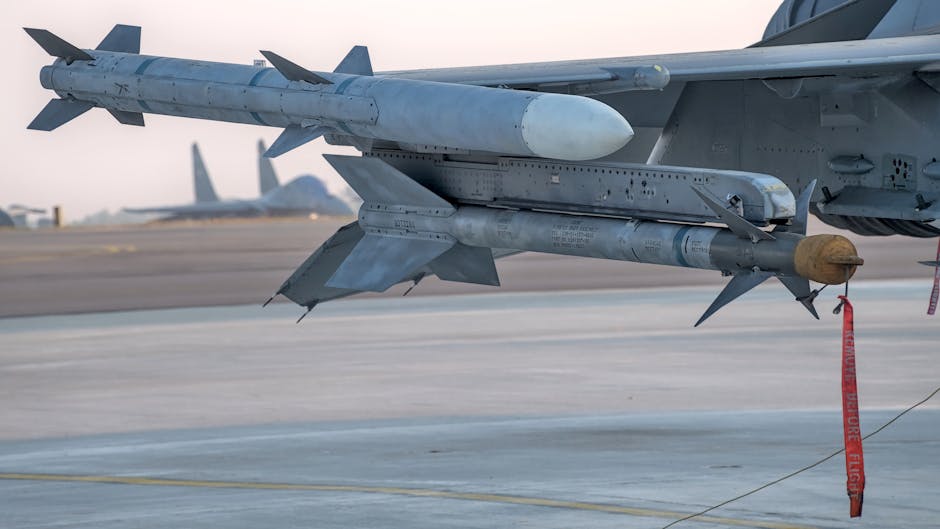
Iran launched a missile strike against Israel using advanced long‑range weaponry, striking multiple locations and testing Israeli air defenses. The action represents a tactical escalation with wider strategic implications for regional stability, great‑power diplomacy, and the risk of broader conflict.

Israel Says It Struck Targets in Central Tehran — A Dangerous Escalation
Israel announced it struck targets in central Tehran on March 1, and Xinhua reporters in Tehran heard explosions and saw smoke, though independent verification is limited. If confirmed, such a strike marks a significant escalation with potential to broaden the Israel-Iran confrontation and destabilize the wider region.
Iran Signals Threat Without Details — ‘Mysterious Weapon’ Claims Raise Stakes in an Already Volatile Region
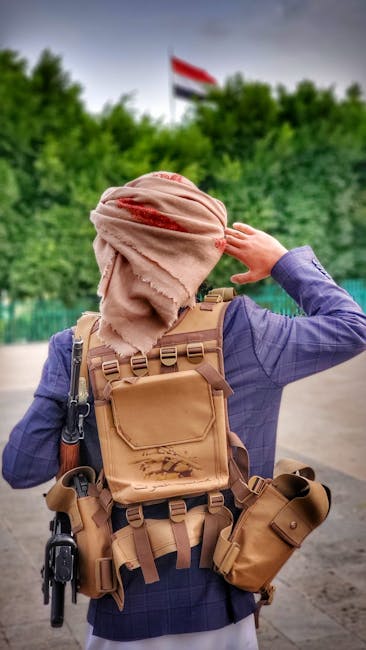
Iran publicly said it is "clearing inventory" and hinted it could deploy an unspecified "mysterious weapon," a deliberately vague signal that increases uncertainty in an already tense region. The announcement appears designed to deter adversaries and reassure domestic audiences while avoiding a direct escalation, but it raises the risk of reactive moves by rivals that could destabilize the Gulf and affect markets.
Airstrikes Rock Kabul as Afghan Air Defences Respond; Pakistan Cited as Source
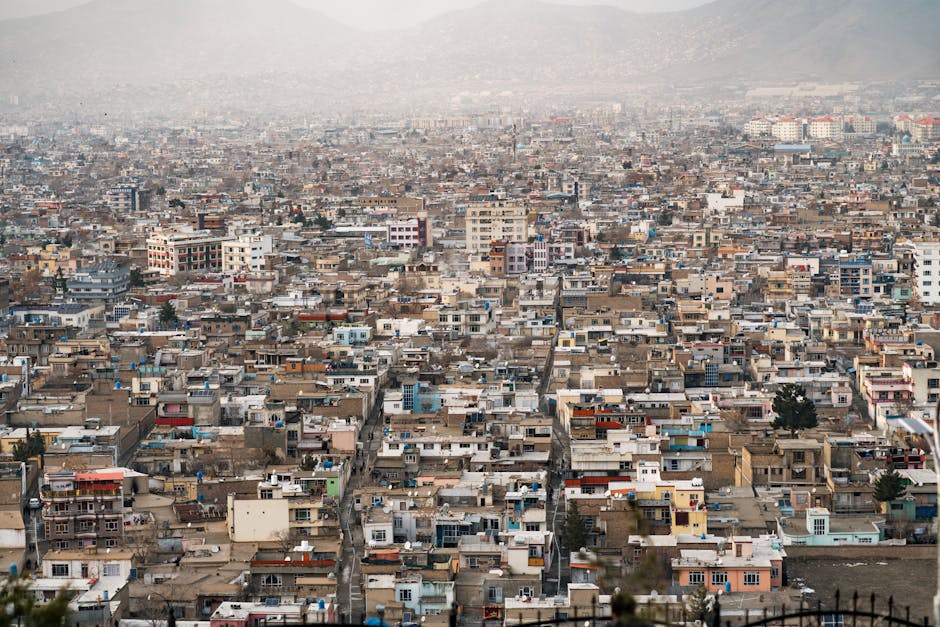
Explosions in Kabul on 1 March prompted Afghan air-defence fire and a statement from Taliban spokesman Zabihullah Mujahid accusing Pakistan of conducting airstrikes on the capital. The event represents a potentially serious escalation of cross-border security operations and raises regional diplomatic and stability concerns.
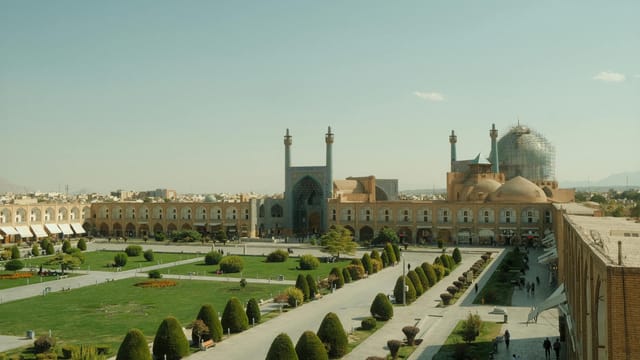
Netanyahu Says Signs Mount That Iran’s Khamenei Is ‘No Longer Alive’ — A Risky Claim in an Already Volatile Region
Israeli Prime Minister Benjamin Netanyahu said on February 28 that there are mounting signs Ayatollah Ali Khamenei is “no longer alive,” a claim published by Xinhua but not independently verified. The assertion, whether true or rhetorical, has major implications for Iranian succession, regional stability and the risk of escalation between Israel and Iran.

Macron Calls Emergency UNSC Meeting After US–Israel Strikes on Iran, Raising Risk of Wider Middle East Confrontation
US and Israeli strikes on Iran on 28 February prompted an Iranian retaliation and a call from French president Emmanuel Macron for an emergency UN Security Council meeting. Macron warned the episode could seriously undermine international peace and urged an immediate halt to escalation amid concerns about regional spillover and disruption to global markets.

Japan’s Quiet Pivot: LDP Move to Allow Lethal Arms Exports Raises Regional Alarm
Japan’s ruling party has approved a draft to broaden defence equipment exports to include combat-capable systems, a step that would revise decades of post‑war restraint. The change has provoked domestic protests and regional concern, and it could alter security dynamics in East Asia while raising questions about oversight and end‑use controls.

Israel on Alert: IDF Says It Is Closely Watching Iran as Public Anxiety Grows
The Israel Defense Forces said it is closely monitoring Iran and remains highly vigilant, while civilian defence guidance remains unchanged. The statement, stressing readiness and partner coordination, is intended to reassure a tense public without escalating the situation publicly.