
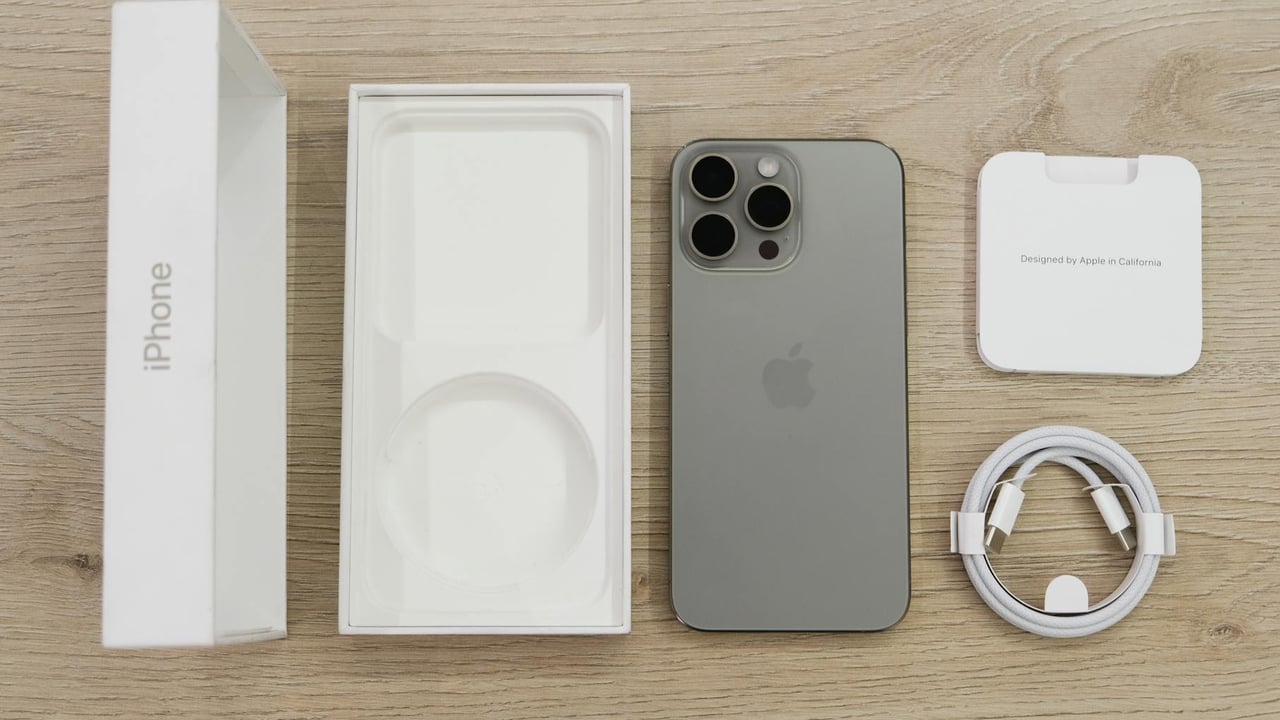

Apple has opened what it calls its biggest-ever promotion in China, offering steep discounts across its product range during Tmall’s 2026 New‑Year shopping event. The headline move is a RMB 2,000 official cut on the 256GB iPhone Air, which, when combined with a government subsidy, brings the on‑the‑day price down from RMB 7,999 to as low as RMB 5,499 — a RMB 2,500 reduction from launch price. The sale runs from the evening of 25 January through 11 February and the company has flagged limited inventory on a first‑come, first‑served basis.
Discounts extend beyond the Air. Apple’s official Tmall flagship lists reductions ranging from RMB 300 to RMB 1,200 across models: up to RMB 300 off iPhone 17 Pro/Pro Max, up to RMB 1,200 on MacBook Air (M4), and up to RMB 1,000 on iPad Air. Accessories such as the Apple Pencil and AirPods are discounted RMB 100–300. Apple has allocated significant stock to the promotion — about 200,000 units of iPhone 17 Pro/Pro Max, 13,000 iPhone Air devices, 7,300 MacBook Airs with M4 chip, 20,000 iPad Airs and 6,000 iPad minis — but the announcement emphasises that supplies are finite.
The iPhone Air, introduced at Apple’s autumn event and marketed as its lightest and thinnest iPhone to date, has a 165‑gram weight and a 5.6mm profile and uses eSIM rather than a physical SIM tray. That design choice delayed the handset’s China debut because local carriers only recently began supporting eSIM services. The device went on sale in China on 22 October 2025 and the current promotion comes roughly three months after its market launch.
This price move matters because China remains Apple’s most important single market by revenue after the United States, and the company rarely offers such large cuts to freshly launched devices. The timing — ahead of Lunar New Year, China’s peak buying season — points to inventory management and a push to accelerate sales momentum. It also reflects intensifying competition from domestic brands that have been eroding Apple’s premium pricing power by offering comparable hardware and aggressive promotions.
Commercially, the sale could serve several purposes simultaneously: clear channel stock ahead of new product cycles, stimulate hardware sales tied to services and accessories, and blunt the appeal of cheaper rivals over the crucial holiday period. The use of a national subsidy to deepen the consumer discount is notable because it folds public incentives into Apple’s retail strategy, effectively lowering price sensitivity for households that might otherwise defer purchases.
Strategically, the deal exposes tensions in Apple’s China playbook. Offering record discounts on a just‑released model risks resetting consumer expectations — if early adopters paid full price, sentiment could sour — but carving out scarce units for a high‑visibility event creates urgency and PR momentum. For carriers, the expanded eSIM support that enabled the iPhone Air’s China launch is a structural shift that could reduce reliance on physical SIM logistics and create product differentiation based on operator bundles and subsidies.
The wider market impact is likely to be immediate and visible: offline and online channels will see short‑term traffic spikes, rivals may respond with their own promotions, and the second‑hand market for recently launched iPhones could soften. Investors and policymakers will watch whether Apple treats this as a one‑off tactical push or the start of a more flexible, promotional approach in China — a market where volume and local adaptability increasingly matter.
Observers should track three near‑term indicators: sell‑through rates during the promotion, whether Apple repeats similar price moves in other markets, and how Chinese rivals and carriers react. Those signals will indicate whether this is a seasonal clearance and marketing campaign or evidence of deeper pricing pressure facing premium global brands in China’s fast‑evolving consumer electronics market.