
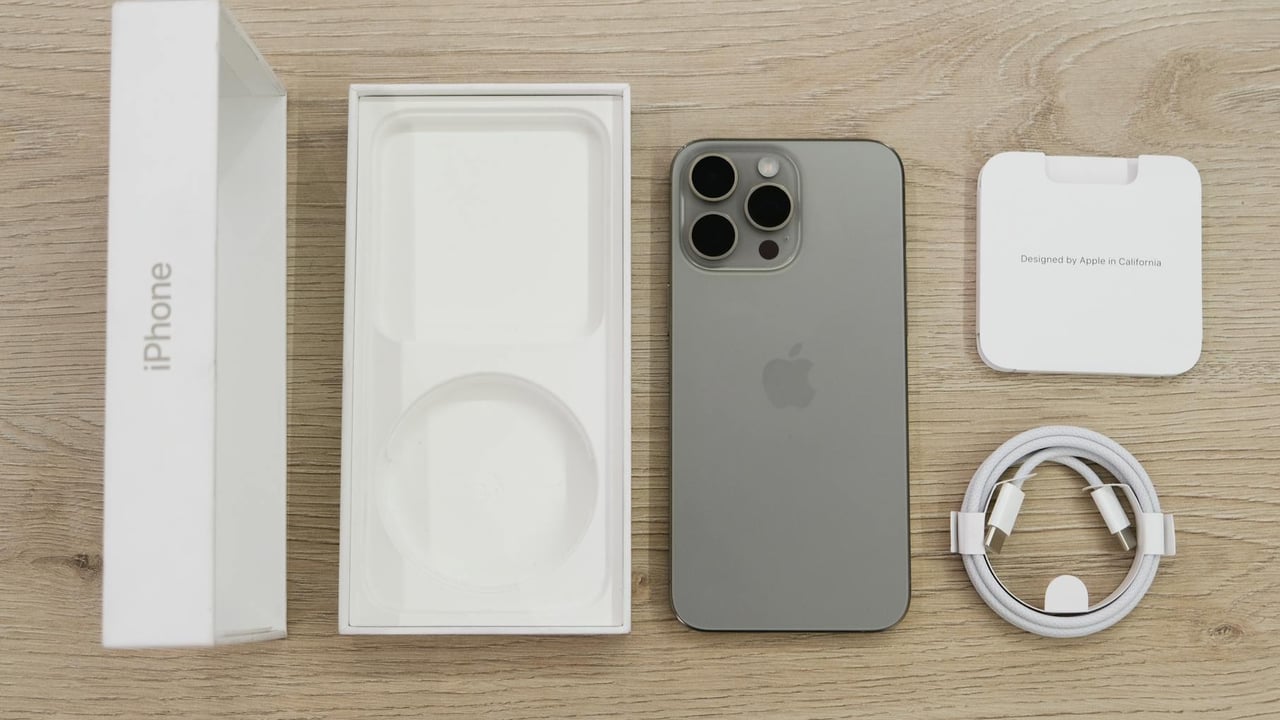

Apple has launched an unusually aggressive New Year sales campaign in China, cutting the price of its recently released iPhone Air by 2,000 yuan in an official promotion on its Tmall flagship store. From January 25 to February 11 the 256GB iPhone Air, which debuted at 7,999 yuan in October, is offered at a post‑subsidy price starting around 5,499 yuan; other Apple hardware — from MacBooks to iPads and AirPods — also carries steep, time‑limited discounts.
The company disclosed the scale of the promotion and the inventory allocated: roughly 200,000 units of iPhone 17 Pro/Max, 13,000 iPhone Air units, 7,300 MacBook Air (M4) laptops and 20,000 iPad Air tablets among other items. Apple’s China online store is running overlapping, shorter promotions from January 24–27 with additional price cuts on iPhone 16 models, Macs and Apple Watches, though the iPhone 17 series is largely absent from that list.
The iPhone Air arrived in China’s market on October 22, 2025, three months after its global unveiling. The model was positioned as Apple’s thinnest, lightest iPhone — 165 grams and 5.6mm thick — and it relies solely on eSIM connectivity, a choice that delayed its initial China launch because local carriers were slow to roll out eSIM services. Global sales for the model have been tepid: third‑party trackers reported that iPhone Air initially sold at roughly one‑third of Apple’s highest forecasts, prompting a rapid halving of planned production weeks after launch.
Discounting on e‑commerce platforms has been even sharper. With trade‑in incentives offered by third‑party sellers, the iPhone Air’s effective price has fallen to about 5,099 yuan, implying a roughly 2,900 yuan drop from launch price within three months. The combination of official cuts and marketplace markdowns suggests Apple is moving to liquidate inventory ahead of the Lunar New Year buying spree, but also signals underlying demand weakness for a device that was expected to broaden Apple’s entry point into premium segments.
The timing matters because China remains a strategically vital market. Apple’s FY2025 results showed a modest year‑on‑year revenue decline in Greater China, though shipments rebounded after the iPhone 17 launch: IDC data indicate Apple reclaimed the top spot in China in Q4 2025 with a 21.1% share and a 21.5% year‑on‑year shipment increase. The firm still dominates the high‑end (above $600) market, but the need to deploy steep, visible discounts undercuts the premium pricing dynamics that have traditionally defined Apple’s China strategy.
The promotion is therefore a revealing tactical move. It eases inventory pressure and stimulates short‑term sales during a key retail period, but it risks normalizing heavy discounting for a product line Apple intended to position as aspirational. For competitors such as Huawei and Xiaomi — which increasingly contest the premium tier — sharply reduced Apple prices create fresh opportunities to reclaim feature or value narratives in the lead‑up to the spring buying season.
Looking ahead, the indicators to watch are straightforward: whether Apple will extend similar discounts beyond the festival window, how quickly Chinese carriers expand eSIM support to remove a practical barrier to iPhone Air adoption, and whether margins on Apple’s China sales come under sustained pressure. The next few months will show whether this is a one‑off promotional adjustment or an early sign of a broader pricing recalibration in the world’s largest smartphone market.