
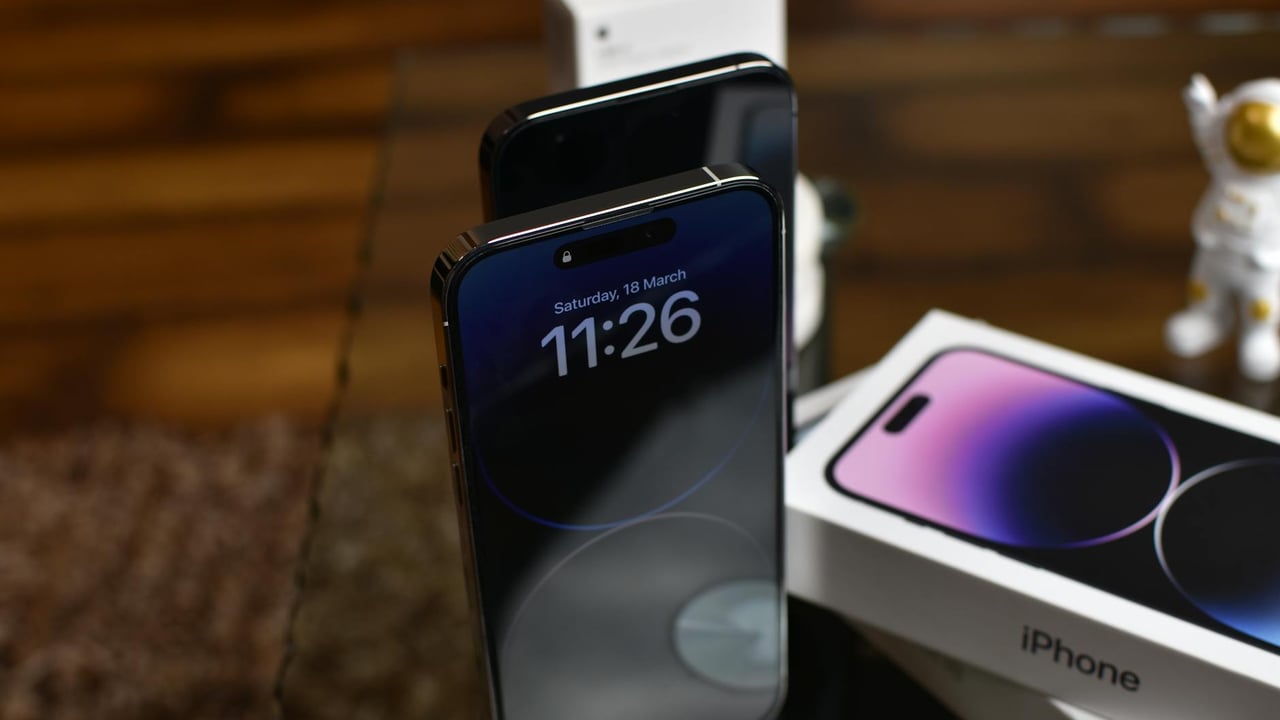

Apple will offer a steep discount on the iPhone Air in China during the forthcoming Tmall New‑Year shopping campaign, cutting the listed price of the 256GB model from ¥7,999 to a promoted starting price of ¥5,499 once an official ¥2,000 reduction is combined with advertised national rebates. The sale runs from 20:00 on 25 January to 23:59:59 on 11 February on Apple’s Tmall flagship store, part of a string of promotions the company has staged in the Chinese market in recent weeks.
The size and frequency of the discounts are notable. A ¥2,500 reduction — roughly 31 per cent off the original price — on a mid‑to‑high end model signals a more aggressive pricing posture than Apple has historically taken in China, where it has sought to preserve a premium image even as rivals press on value. Apple has already cut prices on flagship models: in December 2025 it implemented time‑limited price reductions for the iPhone 17 Pro and 17 Pro Max.
Retail‑led events such as Tmall’s Lunar‑New‑Year promotions are increasingly central to smartphone demand in China. For Apple, participating in these campaigns through its official presence on major e‑commerce platforms lets it move inventory quickly and capture shoppers during a peak retail period, but it also accelerates a shift in consumer expectations about frequent discounting for new models.
The discounts come against a backdrop of tougher competition and softer upgrade cycles in China. Domestic brands such as Huawei and Xiaomi have closed the technology and design gap in recent years while offering more generous trade‑in and subsidy programmes, and consumers have grown more price sensitive amid a cooling smartphone market. Apple’s acceptance of trade‑in deals for rival brands and repeated promotions suggest it is adapting tactics to defend sales volumes.
For Apple’s finances the trade‑off is clear. Temporary price reductions can stimulate near‑term sales and clear channel inventories, but sustained discounting risks compressing margins and eroding the premium positioning that underpinned Apple’s high‑margin business in China. How Apple balances short‑term sales objectives with long‑term brand equity will be watched closely by investors and competitors alike.
The move also has wider implications for China’s smartphone ecosystem. Frequent Apple discounts put pressure on Chinese rivals to respond on price or enhance after‑sales and ecosystem services. Meanwhile, the prominence of platform sales on Tmall underscores the power of Chinese e‑commerce partners in shaping seasonal demand and incentives, a factor international brands must reckon with when operating in the market.
In the weeks ahead consumers should expect further promotional activity as retailers and manufacturers jockey for attention in the Lunar‑New‑Year window. For Apple, the challenge will be to translate short‑term promotional gains into sustained market share without permanently ceding pricing power in its most important and competitive market outside the United States.