

China’s Lunar New Year has long been a calendar of collective rituals: family reunions, handmade couplets and markets hawking seasonal treats. This year the festival’s economic and cultural contours are being reshaped not primarily by older generations but by the tastes and technologies of the youngest adults. Born after 1995, the eldest of Generation Z are now household decision-makers and they are turning traditional “year goods” into vehicles for personal expression, social signalling and digital experience.
The most visible shift is an embrace of lightweight, digitally mediated items that carry emotional value rather than caloric or material heft. ‘Electronic year goods’—_paid-for WeChat red-packet covers, animated greeting-sticker packs and bespoke phone wallpapers—sell for single-digit yuan but travel far in social feeds. Soul APP’s survey of 18–24 year‑olds finds that 28% feel the festival’s atmosphere has grown stronger, while 19.3% say the “flavour” of the holiday has merely taken on new forms. Platforms such as Xiaohongshu and WeChat have become marketplaces for these micro‑products, which amplify a personalized, shareable sense of ritual.
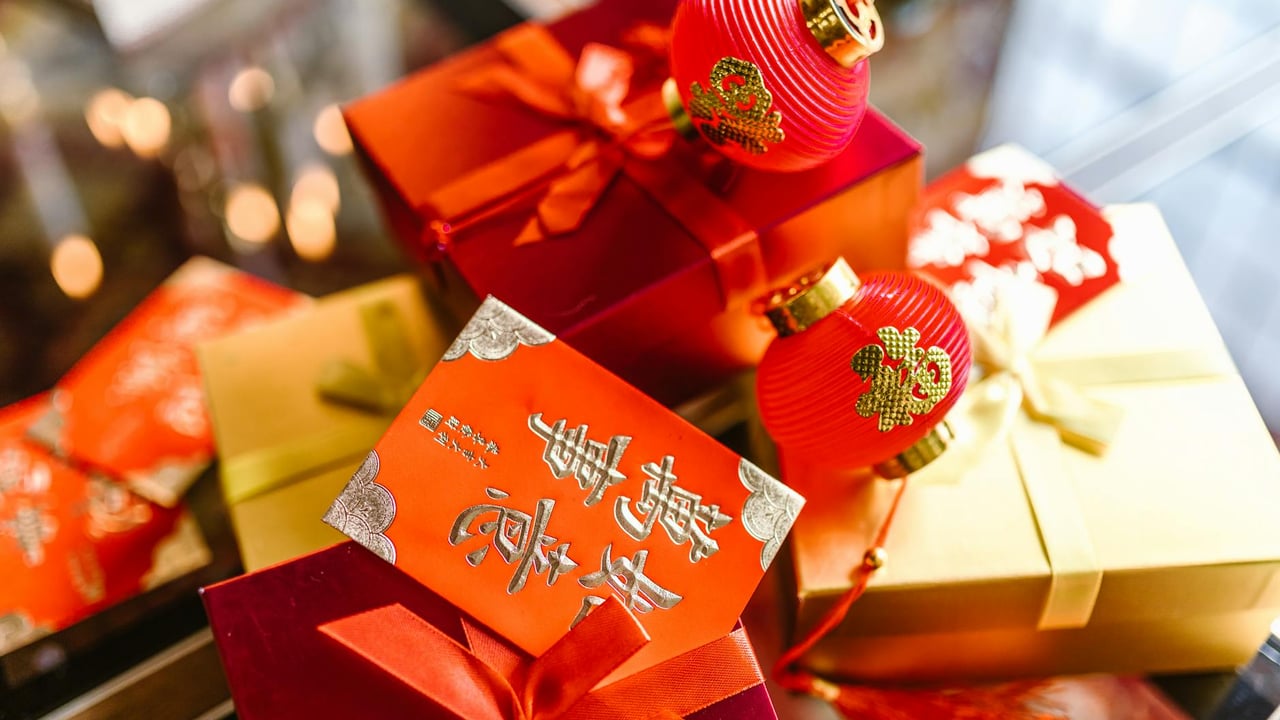
Physical goods are changing too: sellers repackage auspicious meanings in formats that suit urban, time‑poor buyers. Faux-flower bouquets, DIY “fu buckets” (decorative blessing pails), easy-care succulents and magnetised couplets trade the symbolic heft of tradition for high aesthetics, reusability and Instagram‑friendly design. Engagement metrics on social platforms are brisk: topics around “fu buckets” have attracted tens of millions of views on Xiaohongshu and over a hundred million plays on Douyin, signalling that novel formats can carry the cultural payload of the holiday while fitting modern lifestyles.
Pets have emerged as a particularly lucrative strand of New Year commerce. Urban pet spending reached roughly RMB 312.6 billion in 2025 and continues to climb, as owners treat animals as family members and invite them into ritual practice. Brands have responded with New Year gift boxes, exclusive pet red envelopes and grooming packages, while pet‑sitting and high‑end boarding bookings surge in advance of mass travel. Smart pet devices and remote‑interaction cameras also sell well among owners who travel for the holiday, turning care‑needs into a steady revenue stream for tech and service firms.
Other trends illustrate a broader reorientation of festival behaviour. ‘Reverse Spring Festival travel’—where parents come into the cities where their grown children live—has gained traction, easing pressure on outbound transport peaks and creating demand for local cultural tours and age‑friendly services. Interest in intangible cultural heritage experiences, from pottery workshops in Jingdezhen to mural painting in Dunhuang, has also ballooned; searches and bookings for “non‑heritage” tourism rose by roughly 85% during the recent holiday window, and thousands of small enterprises tied to traditional crafts have registered in recent years.
The gold market offers a striking example of how practical incentives and experiential consumption combine. After a spectacular 2025 rally that pushed prices up by over 70%, young buyers have sought value by purchasing investment gold bars and having them fashioned into jewellery, a practice known domestically as “打金” (custom‑making). The arithmetic is simple: bank bullion prices can be hundreds of yuan per gram cheaper than retail jewellery, while the process satisfies desires for co‑creation. That in turn has spawned a DIY subculture, with affordable home toolkits and online tutorials enabling amateur smithing.
These consumption patterns matter because they show how ritual and market are reciprocally remade. The festival’s emotional core—family, good fortune and renewal—remains intact, but the means by which people perform those values are fragmenting into individualised, monetisable acts mediated by platforms and IP. For brands and policymakers the upshot is twofold: new commercial opportunities in micro‑products, services and experience tourism; and a challenge in sustaining cultural continuity while facilitating innovation that is inclusive, safe and economically viable.
International companies and cultural institutions should read this evolution as both a pitch and a warning. The demand for sharable, IP‑based goods and immersive experiences creates openings for niche foreign brands that can localise taste, but it also rewards nimble domestic firms that translate tradition into digital, design‑led formats. Meanwhile, the festival’s decentralisation—from household procurement lists to personalised social performances—means that measuring consumption and regulating quality will require fresh tools and closer cooperation between platforms, designers and local governments.