
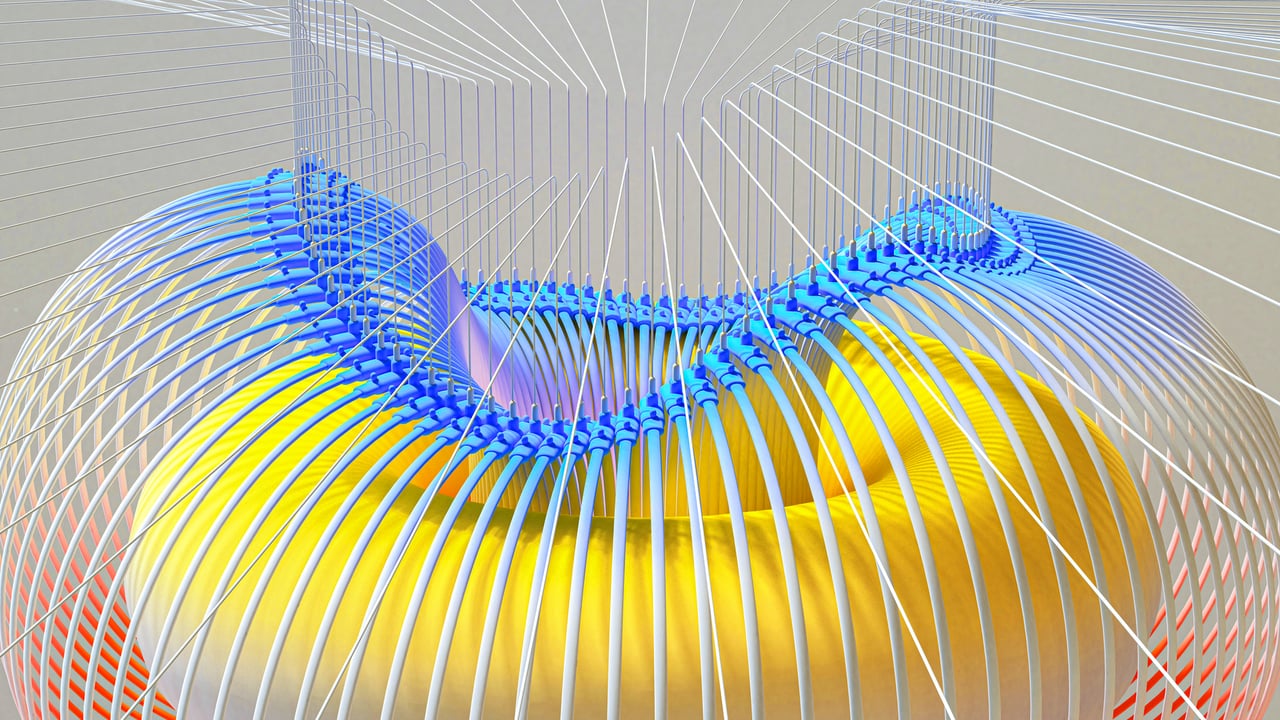

China has reached a significant milestone in its pursuit of near-limitless clean energy, successfully completing the fabrication and testing of core components for its next-generation nuclear fusion research facility. On June 27, 2026, the Comprehensive Research Facility for Fusion Technology (CRAFT) achieved two critical engineering feats: the completion of its largest toroidal field (TF) superconducting magnet and the successful high-load testing of a high-temperature superconducting central solenoid magnet. These components are essential for creating the powerful magnetic 'bottles' required to contain plasma heated to temperatures exceeding 100 million degrees Celsius.
The toroidal field magnet, the largest superconducting part of the CRAFT project, has passed expert acceptance, signaling that China’s manufacturing capabilities for large-scale fusion components have reached a mature, industrial stage. Simultaneously, the successful performance of the high-temperature superconducting central solenoid indicates a leap in magnetic field intensity and efficiency. These achievements are not merely academic; they represent the foundational hardware needed to transition from experimental physics to a functional 'artificial sun' that can provide a steady stream of carbon-free power.
Located in Hefei, the CRAFT facility serves as a critical bridge between the currently operational Experimental Advanced Superconducting Tokamak (EAST) and the proposed China Fusion Engineering Test Reactor (CFETR). By developing these superconducting magnets domestically, Beijing is reducing its reliance on international supply chains and positioning itself as the primary rival to Western-led projects like ITER. The ability to manufacture and test these massive, high-precision components at scale suggests that China’s fusion roadmap is accelerating despite the immense technical hurdles that remain.
This breakthrough underscores China's broader strategic commitment to energy sovereignty and high-tech manufacturing. As the global race for fusion energy intensifies, the development of reliable superconducting magnets remains one of the most significant engineering bottlenecks. With these latest results, Chinese scientists are demonstrating that they can not only meet international standards but also lead in the specific engineering disciplines required to bring fusion power to the grid.