
Health News
Latest health news and updates
Total: 91
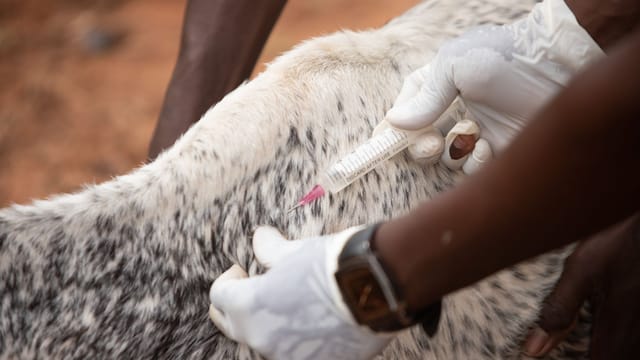
A New Leap from Nature: Researchers Trace Current Ebola Outbreak to Fresh Zoonotic Transmission
Joint researchers in Central Africa have confirmed that the current Ebola outbreak is a new cross-species event rather than a reactivation of previous human transmission chains. With over 200 dead in the DRC, officials are urging for intensified cross-border cooperation to track and contain the virus.

Healing the Frontier: Beijing’s Strategic Healthcare Push in Xinjiang
China’s 'Pairing Assistance' program is shifting focus toward high-end medical knowledge transfer in Xinjiang, aiming to establish permanent healthcare excellence in the region. By deploying elite teams from Guangdong and Shenzhen to remote border areas, Beijing is using health infrastructure as a tool for long-term social integration and regional stability.

From Shijiazhuang to the States: CSPC Pharma’s Global Ambitions Get FDA Boost
Chinese pharmaceutical giant CSPC has received US FDA approval to begin clinical trials for its long-acting octreotide injection, a treatment for acromegaly and neuroendocrine tumors. This move highlights the industry's shift toward high-barrier formulations as Chinese firms seek to escape domestic price pressures by expanding into the US market.

Hidden Toxicity: Leading Diaper Brands Under Fire in China Over Chemical Contamination
An investigative report has detected formamide, a reproductive toxin, in diapers sold by major brands including Huggies and Babycare. The chemical, which is currently unregulated in China's diaper industry, was found to absorb into the bloodstream of users, prompting calls for urgent regulatory reform.
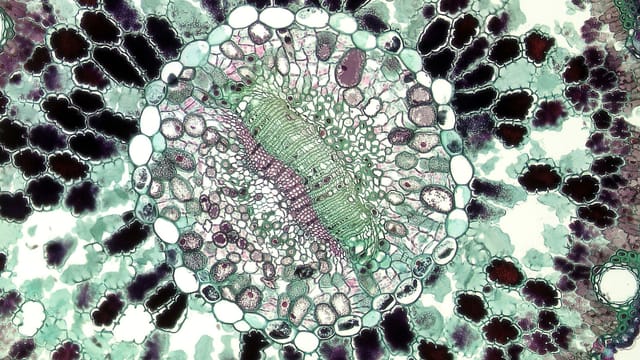
Chasing Immortality Underground: How China’s New Regulations Are Reshaping the Stem Cell Grey Market
China's implementation of Order No. 818 has forced the stem cell anti-aging industry into a secretive, high-priced grey market. Despite strict bans on charging for clinical trials, businesses are exploiting off-label drugs and private networks to meet the insatiable demand for longevity treatments among the elite.

The Alchemy of Desperation: Inside China’s Multi-Billion Dollar Stem Cell Grey Market
This investigative report exposes a pervasive grey market in China where patients pay exorbitant fees for unproven stem cell therapies in rented public hospital wards. As the industry faces a major regulatory overhaul in 2026, the story highlights the systemic gap between China's biotech ambitions and its struggle to police medical fraud.

China’s Biotech Vanguard: Breakthroughs in Lymphoma and Obesity Signal a Shift Toward Global Leadership
China is transitioning from a follower to a leader in biotech, evidenced by Lupin Pharmaceuticals' approval of the first 4th-gen BTK inhibitor and Hansoh Pharma's potent new weight-loss drug. These breakthroughs, supported by massive out-licensing deals with firms like Regeneron, demonstrate that Chinese innovation is now competitive on a global scale.
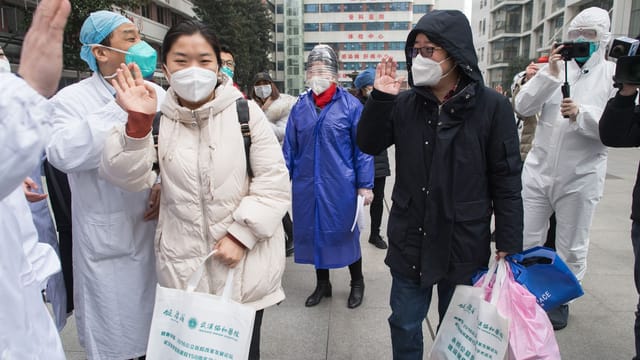
China’s Healthcare Frontier: Breaking the Provincial Barriers of Medical Insurance
China has introduced a 'Personal Insurance Wallet' system that allows employees to share their medical insurance funds with family members across provincial lines. This reform aims to support the country's mobile workforce and aging population by removing regional administrative barriers to healthcare spending.

Bispecific Ambition: Akeso’s Ivonescimab Challenges the Oncology Hierarchy in Chicago
Akeso Biopharma’s ivonescimab has demonstrated a significant survival advantage over traditional PD-1 therapies in a landmark Phase III lung cancer trial. While the results signal a shift toward bispecific antibodies as the new standard, experts caution that further global data and longer follow-up are needed to solidify its dominance.

Closing the Treatment Gap: Weiguang Biological Advances Hemophilia B Candidate in China
Weiguang Biological has received regulatory approval to begin clinical trials for Human Coagulation Factor IX, targeting Hemophilia B. This development marks a significant step in China's domestic rare disease treatment capabilities, though the company warns of the long-term risks inherent in drug development.

Purging the Pretenders: Beijing Cracks Down on TCM Fraud After High-Profile Exposé
Chinese regulators have arrested 30 people and shuttered clinics following a national expose on medical fraud within the TCM sector. The crackdown targets fake experts preying on the elderly and the illegal use of experimental treatments, signaling a major effort to restore industry credibility.

The End of the ‘Shopping Card’: China Reclaims its Medical Insurance Fund
China is implementing a national 'White List' system for retail pharmacies to stop the widespread misuse of medical insurance funds for non-medical goods. This reform forces over 400,000 pharmacies to pivot from retail-driven models to professional healthcare services by late 2026.