
Health News
Latest health news and updates
Total: 91

A Bitter Pill: Trump’s 100% Drug Tariffs and the Future of Chinese Biotech
President Trump has signed an executive order under Section 232 to impose 100% tariffs on imported patent drugs and APIs, aimed at forcing price concessions and manufacturing onshoring. While Chinese biotech firms face new challenges, many are already pivoting toward U.S.-based production to mitigate these trade risks.

China’s ‘Scent of Success’: The Health and Economic Toll of Synthetic Food Enhancers
China’s catering industry is increasingly reliant on synthetic 'fragrance oils' that mimic traditional broths at a fraction of the cost. While technically legal, experts warn that regulatory loopholes and excessive consumption pose significant risks to liver and kidney health while undermining traditional culinary practices.

China’s Oncology Frontier: Bioken’s Breakthrough Signals New Global Standard in Lung Cancer Treatment
Chinese biotech firm Bioken has reported record-breaking Phase II clinical results for its bispecific ADC lung cancer treatment, achieving a 100% tumor shrinkage rate in target lesions. Backed by a historic $8.4 billion deal with Bristol Myers Squibb, the company’s success highlights China’s rapid ascent from a generic drug producer to a leader in original pharmaceutical innovation.

Precision Oncology Gains Ground in China: AmoyDx Secures Regulatory Nod for c-Met Lung Cancer Diagnostic
Amoy Diagnostics has received NMPA approval for its c-Met gene amplification kit, a companion diagnostic for the lung cancer drug Savolitinib. This development marks a vital step in China's push for localized precision oncology and sophisticated personalized medicine tools.
Healing the Frontline: Why a Military Doctor's Empathy is Resonating Across China
The viral story of military doctor Dai Jigang's empathetic care highlights the systemic pressures of China's healthcare system and the unique role of military medicine in maintaining public trust. By offering both in-person and digital consultations, Dai addresses the massive rural-urban divide in medical access.

Beyond the Scalpel: A Military Doctor and the Human Face of China’s Healthcare Strain
Military doctor Dai Jigang has gained national attention for his empathetic treatment of patients and his commitment to offering free online consultations. His actions shed light on the massive disparities in China's healthcare system and the evolving role of PLA medical personnel in civil society.

The Alchemist’s Kitchen: Inside China’s Additive-Fueled Street Food Industry
An undercover investigation into a major Chinese culinary training center reveals a systemic reliance on industrial chemical additives to recreate traditional street food flavors. With over a million graduates from such programs, the findings highlight a massive, under-regulated industry that prioritizes chemical consistency over public health and traditional cooking methods.

China’s Silver Tsunami: Beijing Institutionalizes Care for its Rapidly Aging Millions
China has launched a national implementation plan to establish a comprehensive long-term care insurance system within three years to support its aging population. The scheme will be funded by a mix of payroll contributions, individual premiums, and government subsidies, providing coverage for 50% to 70% of nursing costs for disabled citizens.
Hidden Passengers: The Diagnostic Challenge of Dormant Zoonotic Infections in Modern China
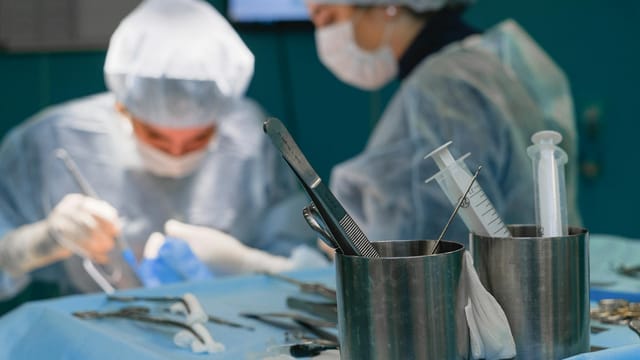
Surgeons in Chongqing successfully removed a 3-centimeter live parasite from a woman’s brain after she suffered five years of unexplained neurological symptoms. The case highlights the diagnostic difficulties of sparganosis, a parasitic infection contracted from contaminated water that can mimic tumors and evade detection for years.

Navigating the Labyrinth: The Rise and Growing Pains of China’s Medical Companions
China is witnessing the emergence of 'medical companions' to help the elderly and lonely youth navigate a digitized healthcare system. While the industry faces regulatory voids and predatory certification scams, government pilot programs signal a shift toward official professionalization by 2026.

The Sixth Pillar: China Formalizes Socialized Care to Combat an Aging Crisis
China has officially established Long-term Care Insurance as the 'sixth insurance' pillar to manage the financial burden of its 45 million disabled and elderly citizens. This move is part of a broader strategic overhaul in the 15th Five-Year Plan aimed at stabilizing the country's demographic structure through socialized care and aggressive birth support.

The Fatal Price of Pragmatism: Death of China’s Education Guru Sparks National Outcry
The death of 41-year-old education influencer Zhang Xuefeng from cardiac arrest has reignited a national debate over China's 'involution' and overwork culture. Zhang, a polarizing figure who helped millions of students navigate the university system, had a history of exhaustion-related health issues caused by his grueling professional schedule.