
Science News
Latest science news and updates
Total: 154

Dubai Hosts Global Brain Trust: Top Scientists Gather to Rethink Basic Science, AI and Global Collaboration
A three-day summit in Dubai brought together 71 of the world’s leading scientists, including dozens of laureates, to debate the future of basic science, AI’s role in discovery, open-science cooperation and new models for international research collaboration. The event’s location and its integration with the World Government Summit highlight the growing linkage between elite science, state strategy and international diplomacy.

China to Send Second 'Xihe' Solar Observatory to Sun‑Earth L5 for Earlier Space‑Weather Warnings
China plans to launch a second solar observatory, Xihe‑2, to the Sun‑Earth L5 point in 2028–2029 to deliver stereoscopic and multi‑band observations of the Sun. The mission aims to improve early warning of solar storms, bolster China’s heliophysics capabilities and strengthen operational space‑weather forecasting.
NASA Pauses First Crewed Artemis Moon Flyby After Cold Weather Cancels Fueling Test
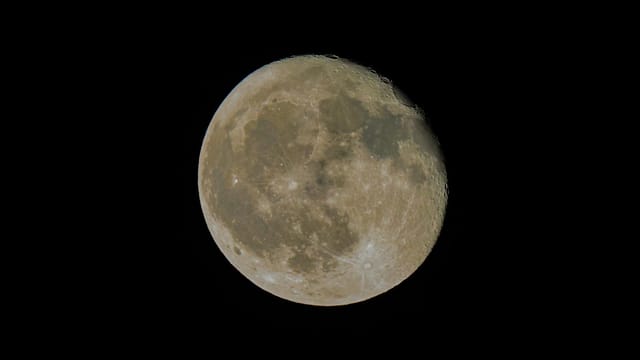
NASA postponed the Artemis II crewed lunar flyby after near-freezing temperatures at the launch site forced cancellation of a key rocket fueling test. The launch is now scheduled no earlier than February 8, with the potential for further delays that could move the mission into March, highlighting weather vulnerability and scheduling fragility in complex human spaceflight programmes.

US Crewed Lunar Flyby Postponed as Severe Cold Grounds Launch Plans
A US crewed lunar flyby mission was postponed after an extreme cold spell compromised launch-commit criteria for cryogenic propellants and ground systems. The delay highlights technical vulnerabilities to severe weather, risks cascading schedule impacts across lunar programme milestones, and carries political and commercial consequences for U.S. space leadership.
NASA Delays First Crewed Artemis Lunar Flyby After Cold Weather Scrubs Fueling Test
NASA delayed the Artemis II crewed lunar flyby after low temperatures at the launch site forced cancellation of a crucial rocket fueling test. The launch is now set for no earlier than February 8 and could slide into March if further delays occur; NASA emphasized that weather and safety will dictate the schedule.
A Nearby 'Potentially Habitable' World: Slightly Larger Than Earth, About 146 Light‑Years Away
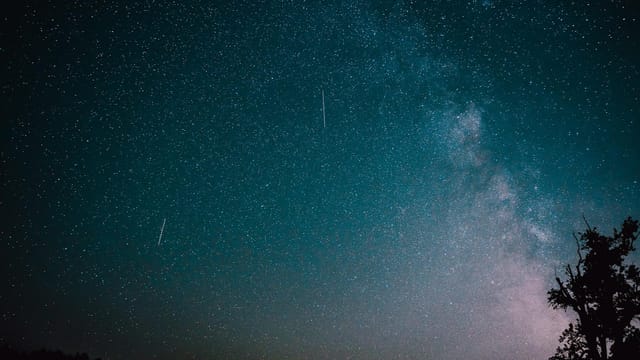
A newly reported exoplanet candidate about 146 light‑years away is slightly larger than Earth and described in some outlets as an “ice‑bound” possible habitable world. While its size and proximity make it an attractive target for follow‑up, substantial observational work is needed to assess its true habitability.
Chinese Team Demonstrates 2D Semiconductor Radio in Space, Claims Leap in Satellite Lifetimes
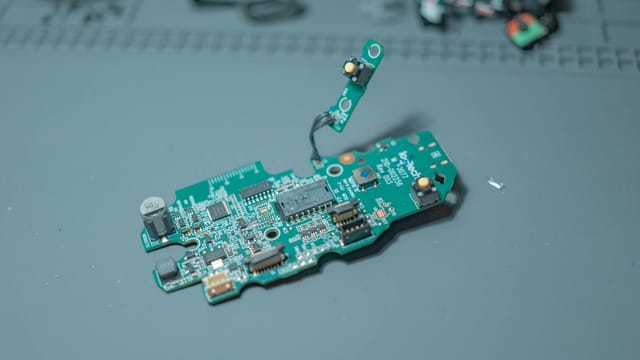
Fudan University researchers have flown a 2D semiconductor RF communications system on the Fudan-1 satellite and published results in Nature claiming dramatic reductions in power and mass and a theoretical device lifetime of 271 years. While the demonstration is an important milestone for radiation-hardened electronics, practical satellite lifetimes remain constrained by other subsystems and will require broader validation before reshaping industry norms.

CRISPR Meets Nanoparticles: A New Path to Repair Human Skin
A Canada–Germany team has developed a CRISPR gene‑editing therapy delivered by nanoparticles designed for direct use on human skin, published in Cell Stem Cell. The approach promises localized correction of pathogenic mutations and could reshape treatment prospects for genetic skin diseases, though safety and durability must be proven in clinical testing.
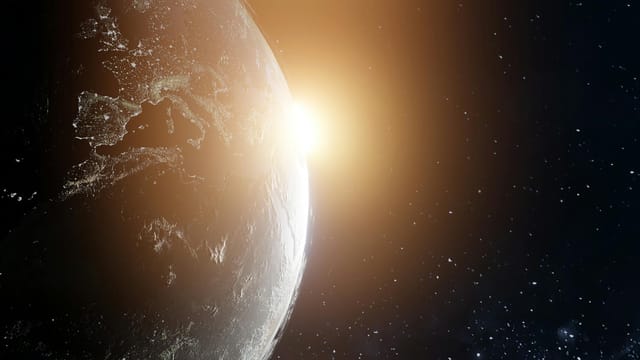
Small Sparks, Massive Storms: ESA Identifies 'Magnetic Avalanche' as Trigger for Solar Flares
The European Space Agency reports that solar flares can be triggered by a cascade of tiny, rapid magnetic disturbances that amplify into a "magnetic avalanche." This emergent mechanism reframes flare onset as a scale-crossing process and could improve space-weather forecasting if validated and incorporated into monitoring systems.

Japan's H3 Rocket Failure Linked to Fairing Separation Damage, JAXA Says — A Setback for a New Launcher
JAXA’s preliminary probe attributes the December H3 launch failure to damage sustained at the satellite–rocket interface during payload fairing separation, which apparently ruptured a liquid-hydrogen pressurization line and precipitated an early second-stage engine shutdown. The agency says the satellite likely detached prematurely and was lost at sea; further investigation and corrective work are planned, delaying H3’s route to operational reliability.
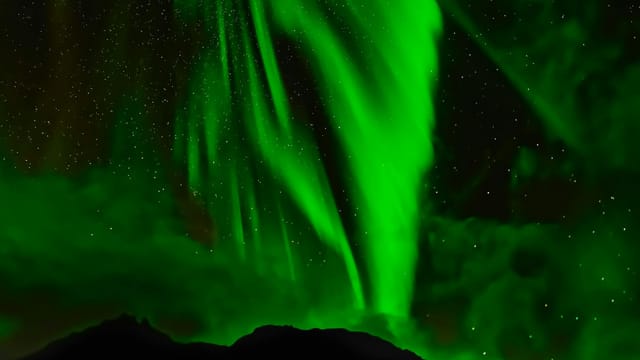
Spectacular Auroras Over China as a Major Geomagnetic Storm Rocks Earth
A major geomagnetic storm caused auroras to appear across large swathes of China, delighting onlookers but also raising concerns about impacts to satellites, communications and power systems. The event highlights ongoing solar activity and the need for robust space-weather monitoring and infrastructure resilience.
NASA’s Artemis 2 Rocket Rolls to the Pad as Countdown to First Crewed Orion Flight Begins
NASA has moved its SLS rocket and Orion spacecraft to Pad 39B in Florida, marking a key step ahead of Artemis 2—the first crewed Orion flight. The mission, a roughly ten-day free-return circumlunar test carrying three NASA astronauts and one Canadian, will validate life-support and integrated operations ahead of later, landing-focused missions.