
Technology News
Latest technology news and updates
Total: 2542
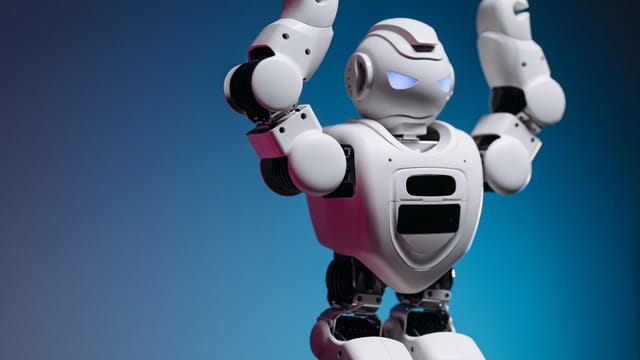
Ping-Pong Diplomacy 2.0: Agibot’s Humanoid Breakthrough Signals China’s Leap in Embodied AI
Chinese robotics firm Agibot has debuted the Yuanzheng A3, the world's first full-sized humanoid to autonomously play table tennis without scripts. With over 10,000 units shipped, the company is pivoting toward mass deployment in industrial and logistics sectors by 2026.
Nvidia’s $20 Billion War Chest: Financing the Permanent AI Revolution
Nvidia is seeking to raise $20 billion through a seven-tranche bond offering to fund its AI infrastructure and refinance debt. The move highlights the accelerating financial requirements of the AI arms race and Nvidia's strategy to lock in long-term capital while its market position remains dominant.
Beijing’s Compute Ambitions: Enflame Technology Clears Path for $825 Million IPO
Chinese AI chip designer Enflame Technology has received approval for a 6 billion yuan IPO on the Shanghai STAR Market. The deal represents a major step in China's quest to replace Western AI hardware with domestic alternatives amid ongoing trade tensions.
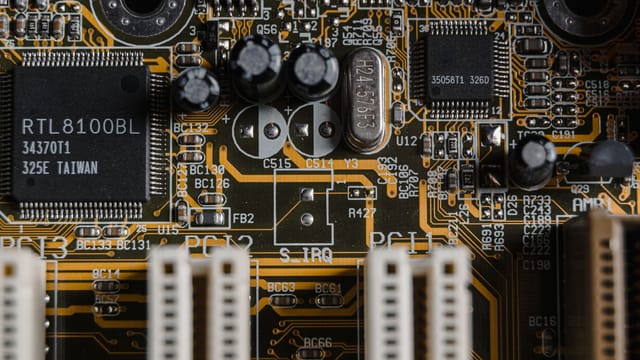
China’s AI Hardware Rally: The Silicon-Metal Nexus Driving the Tech Supply Chain
China's AI hardware sector is experiencing a massive rally driven by surging demand for PCB and CPO components, alongside breakthroughs in high-density capacitor technology. This industrial momentum is being fortified by new strategic mineral regulations that secure the raw materials essential for the global AI supply chain.
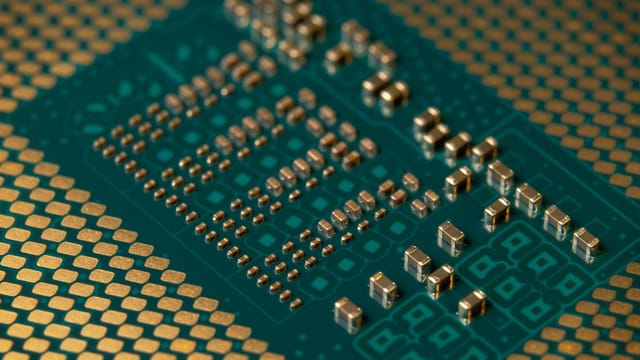
Chasing the Ghost of Self-Sufficiency: CSSC Gas Dispels Rumors of TSMC Supply Monopoly
CSSC Special Gas has denied rumors of a massive three-year contract with TSMC that would have seen its supply share of tungsten hexafluoride jump to 70%. While the company confirms ongoing negotiations with major clients, it clarified that the leaked pricing and market share figures are inaccurate and do not reflect current market realities.
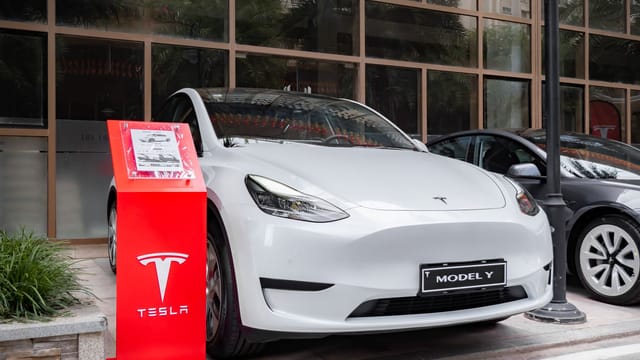
Silicon Ambition: Li Auto Targets Tesla’s FSD Dominance with Custom AI Chips and VLA Roadmap
Li Auto has announced a strategic roadmap to match Tesla's FSD V14 capabilities by late 2026, supported by the launch of its custom-designed Mach M100 AI chip. This move represents a major shift toward vertical integration and embodied intelligence in the premium EV sector.

Sovereignty in the Machine: The White House, Anthropic, and the New Era of Model Mandates
The White House forced Anthropic to shut down its flagship Claude Fable 5 model only three days after launch, citing security flaws reported by its own investor, Amazon. The unprecedented use of export controls on an AI model has sparked a global scramble for 'AI sovereignty' as nations realize the risks of depending on US-controlled technology.
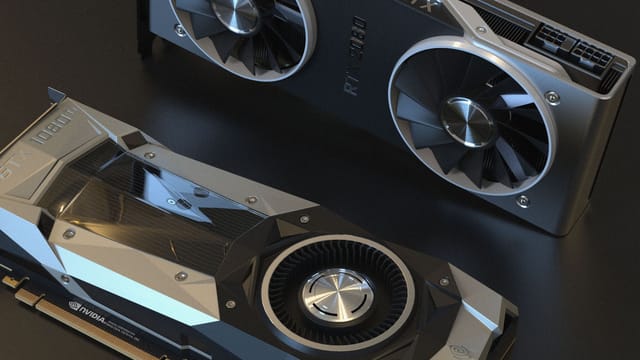
The Jensen Huang Charm Offensive: Why Nvidia's CEO is Playing the 'Man of the People' in East Asia
Nvidia CEO Jensen Huang is strategically cultivating a 'man of the people' persona in East Asia to transition from a B2B executive to a global consumer icon. This charm offensive serves to mitigate geopolitical friction and align Nvidia with the region's high receptivity to AI technology.

Beyond the Rocket: How SpaceX’s Trillion-Dollar IPO Redefines the Space-AI Frontier
SpaceX’s $1.7 trillion Nasdaq debut marks its evolution from a rocket manufacturer to an AI infrastructure giant. While Starlink provides the cash flow, the company is now betting on space-based data centers to bypass terrestrial energy limits, presenting a formidable new challenge for China’s accelerating commercial space sector.
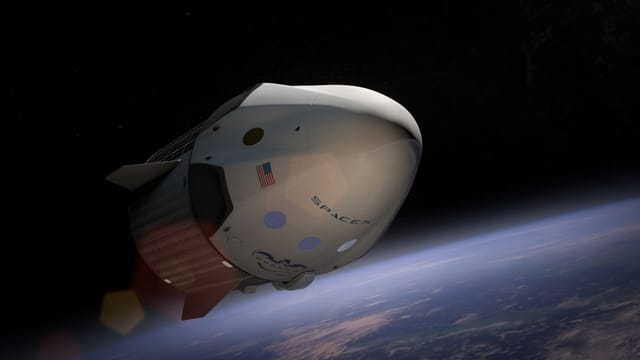
Industrializing the Heavens: China’s Commercial Space Sector Hits High-Frequency Cadence
CAS Space's Lijian-1 rocket has successfully completed its third launch of the second quarter, marking a significant increase in China's commercial launch frequency. With 105 satellites now delivered by this platform, the mission signals a strategic shift from experimental flight to large-scale, high-cadence commercial delivery.

China’s Commercial Space Surge: CAS Space Achieves Milestone with 14th Lijian-1 Flight
CAS Space successfully launched eight satellites aboard the Lijian-1 Y14 rocket, marking the 14th successful flight for the vehicle type. The mission highlights China's increasing launch cadence and the maturing role of commercial solid-fuel rockets in its national space strategy.
Renault Taps China’s Tech Heart with New AI and Software Hub in Hangzhou
Renault Group has launched its ACDC R&D center in Hangzhou to spearhead development in AI, software, and user experience. The facility aims to harness local Chinese tech expertise to accelerate the company's global transition into the era of software-defined vehicles.