
Technology News
Latest technology news and updates
Total: 2542

The Great Sunset: China’s 3G Retirement Accelerates as 5G Users Surpass 1.2 Billion
China Unicom has fully shut down its 3G network in Zhejiang province, marking a major milestone in China's national plan to retire legacy telecommunications infrastructure. As 5G users across the country exceed 1.2 billion, the industry is now pivoting toward 6G development and total digital modernization.
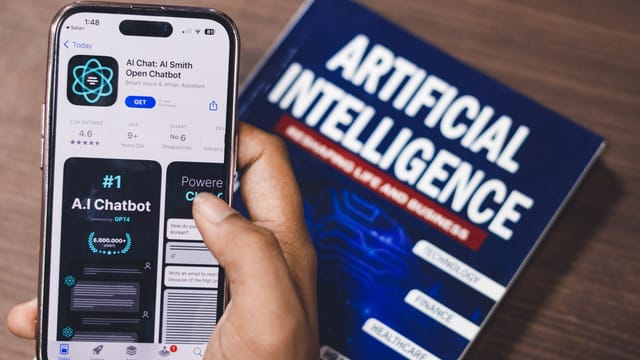
Apple’s Siri Renaissance: A Strategic Retrenchment Rather Than an AI Leapfrog
Apple’s latest Siri overhaul in the iOS 27 beta signals a shift toward deep app integration and 'personal context' rather than pure generative power. While the update helps Apple catch up to modern AI standards and hints at future foldable hardware, it remains a defensive play to retain users rather than a bid for total AI dominance.
Beyond the Wallet: Ant Group’s AI Overhaul Signals the End of the ‘Super App’ as We Know It
Ant Group is reportedly testing a secret, AI-native version of Alipay that replaces its traditional interface with an intelligent agent hub. This move signals a strategic shift from a service-aggregator model to an autonomous 'Agentic AI' ecosystem, aiming to capture the next wave of digital commerce innovation.
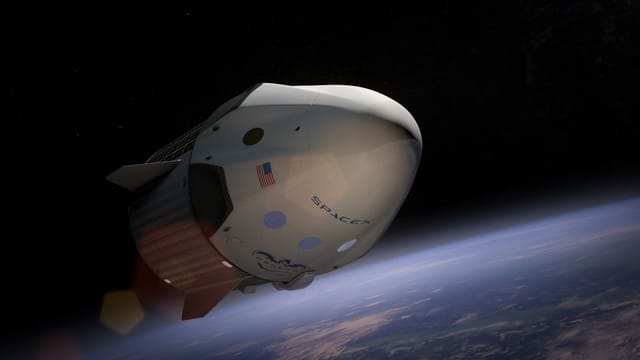
Leapfrogging the Horizon: Can America’s Space-Based Pivot Counter China’s Lead in the Skies?
The U.S. is pivoting toward a $4 billion space-based radar system in partnership with SpaceX to bypass traditional airborne early warning platforms where China currently holds a technological lead. With the KJ-3000 utilizing advanced GaN radar, the U.S. faces a significant sensor gap that it hopes to close by moving its primary surveillance assets into orbit.
Beyond the Search Bar: Ant Group Reimagines Alipay for the Age of AI Agents
Ant Group is testing an AI-native version of Alipay featuring a conversational assistant named 'Abao' that can manage daily tasks and investment portfolios. This strategic pivot reflects a broader industry trend in China where tech giants are racing to replace traditional app navigation with autonomous AI agents.
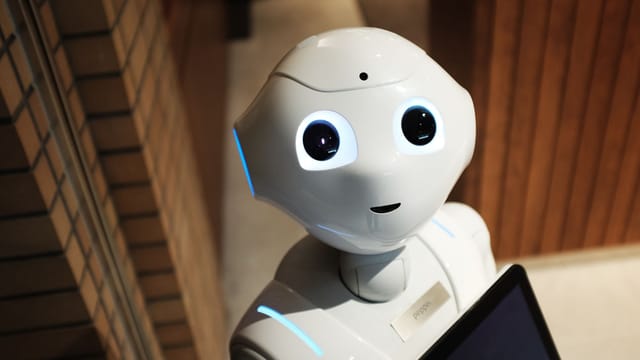
From Chatbots to Agents: China’s Tech Giants Pivot Toward an Integrated AI Ecosystem
China's tech giants are shifting focus from developing Large Language Models to creating integrated 'AI Agents' within their ecosystems. Major moves by Tencent, Alibaba, and JD.com, coupled with Moonshot AI's $30 billion valuation, signal the dawn of an era where AI-driven autonomous commerce and cross-platform task execution become the new industry standards.

Foundations of Dust: The Crumbling Reality of China’s High-Tech Beidou Infrastructure
A 300-million-yuan national project in Shandong using Beidou satellite technology for landslide monitoring has been exposed for severe construction defects, including equipment bases that crumble by hand. Despite claims of rectification, investigators found only superficial repairs, highlighting a dangerous gap between China's high-tech ambitions and ground-level execution.
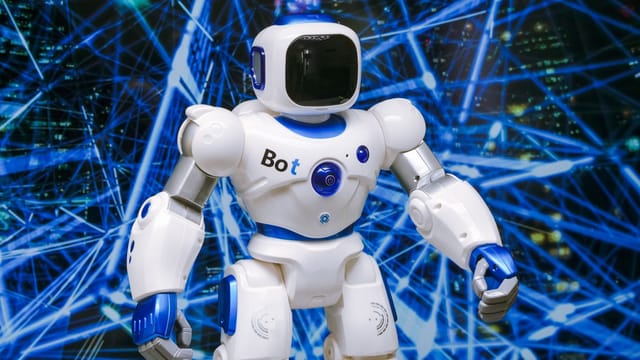
China’s Robotics Ambition Finds a New Testing Ground in Beijing
Beijing has launched a premier 5,000-square-meter training base to accelerate the development of humanoid robots across 30 simulated environments. The facility uses 120-plus robots and advanced motion-capture technology to generate the massive datasets required for 'embodied AI' to function in the real world.

Alipay’s Intelligence Pivot: Ant Group Tests Radical AI-First Overhaul of China’s Financial Gatekeeper
Ant Group is secretly testing a 'native AI' version of its Alipay app, featuring a radical redesign that prioritizes generative AI interactions over traditional menu-based navigation. This strategic pivot aims to transform the financial super app into an intelligent agent for fund management and digital services.

The AI Pivot: Ant Group Quietly Reinvents Alipay for the Generative Era
Ant Group is testing an AI-native version of Alipay that features a simplified, one-click transition to an intelligent interface for services and fund management. This move marks a strategic effort to pivot the platform from a traditional Super App into an AI-driven financial concierge.

The Drone and Camera War: DJI and Insta360 Escalate Patent Rivalry to US Courts
DJI and Insta360 have taken their patent dispute to U.S. federal court, with DJI seeking to ban Insta360's gimbal cameras and Insta360 immediately countersuing. The conflict highlights the growing friction between Chinese tech giants as they compete for global dominance in the drone and action camera markets.

The 437-Day Storm: Why Alibaba Purged DingTalk’s Founder to Save its AI Ambitions
Following a viral internal whistleblower report, Alibaba has removed DingTalk founder Chen Hang after a 437-day return characterized by toxic work culture and strategic stagnation. He is replaced by 32-year-old Chen Yusen, signaling a major shift toward AI-native leadership and a departure from the 'wolf culture' that previously defined the company.