
World News
Latest world news and updates
Total: 3388
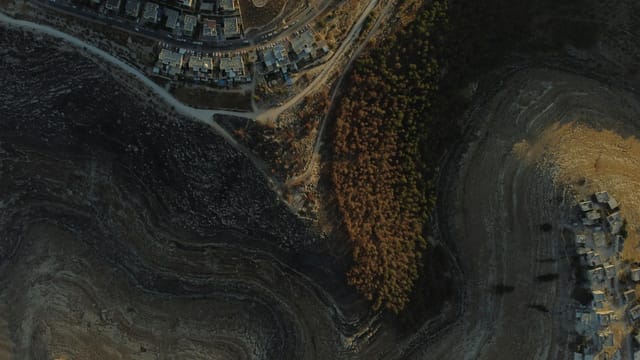
The Moral Crisis Within: Why a Former Mossad Chief’s Holocaust Comparison Shakes Israel’s Foundation
A former head of Israel’s Mossad has sparked an intense national debate by comparing settler violence in the West Bank to the Holocaust. This rare and severe critique from within the security establishment highlights a growing ideological chasm between Israel's intelligence elite and its political leadership.

History Reclaimed: Beijing Publishes First Complete Chinese Translation of Tokyo Trial Records
China has released the first complete Chinese translation of the International Military Tribunal for the Far East transcripts, filling a major gap in the country's historical archives. The publication is intended to provide a definitive legal and historical resource to counter revisionism and solidify China's perspective on the post-WWII order.

Ruins as Resistance: Tehran Institutionalizes the Memory of US-Israeli Airstrikes
The Iranian government has designated an elementary school destroyed by US-Israeli airstrikes as a national historical monument. This strategic move institutionalizes the site as a symbol of resistance and aims to leverage the civilian tragedy for domestic and international political gain.

Tehran Ties US Ceasefire Hopes to Israeli Withdrawal from Lebanon
Iranian Foreign Minister Abbas Araghchi has formally linked a potential ceasefire agreement with the United States to the cessation of Israeli military actions in Lebanon. During talks with Lebanese Speaker Nabih Berri, Tehran emphasized the role of Pakistani mediation in shaping a new regional security framework.
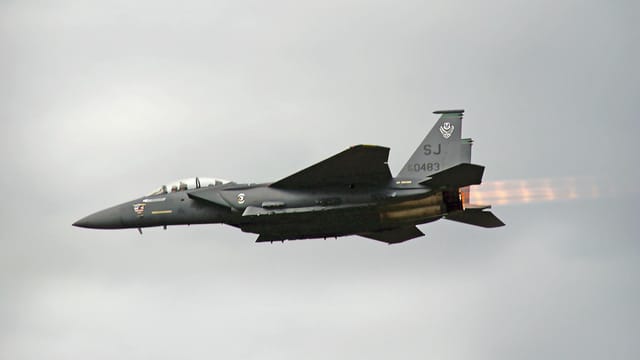
Beijing’s Wingmen: The Rising Brinkmanship in the East China Sea
Chinese J-15 pilots are adopting more aggressive radio protocols during intercepts of Japanese military aircraft, explicitly threatening missile engagement. This development highlights the escalating tensions in the East China Sea and China's growing military assertiveness in disputed airspaces.

Beijing Signals Continued Support for Myanmar’s Autonomy Amid Shifting Regional Dynamics
China has reaffirmed its support for Myanmar's right to pursue its own developmental and political path, signaling a preference for stability and bilateral cooperation over international intervention. This stance highlights Beijing's focus on maintaining its strategic energy and infrastructure interests in the region.
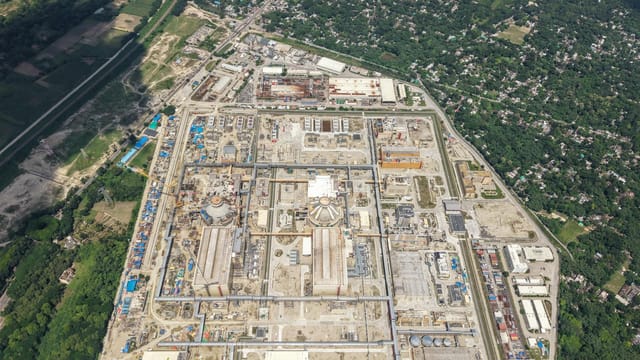
Nuclear Brinkmanship: Beijing Labels Washington the 'Primary Source of Chaos' at UN Arms Summit
At the NPT Review Conference in New York, China's delegation condemned the U.S. as a destabilizing force in nuclear arms control, citing historical treaty withdrawals and nuclear modernization. Beijing rejected calls for trilateral arms control and instead demanded a universal 'No First Use' treaty and the cessation of U.S. nuclear sharing agreements.
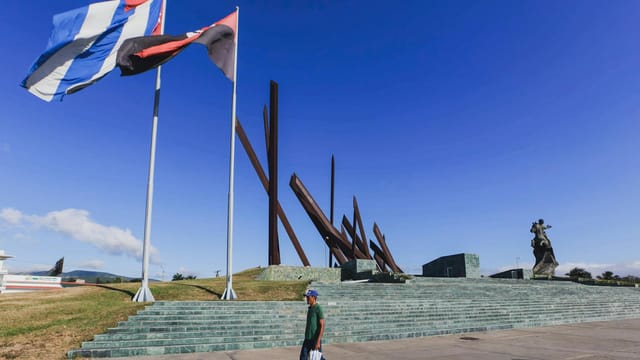
Bracing for Confrontation: Havana Decries Washington’s 'Absurd' Threat Narrative
Cuban Foreign Minister Bruno Rodríguez has dismissed U.S. claims that the island poses a national security threat as 'absurd' and 'deceptive.' The denial comes amid heightened regional tensions following U.S. military operations in Venezuela and a failure by the U.S. Senate to restrict executive war powers.
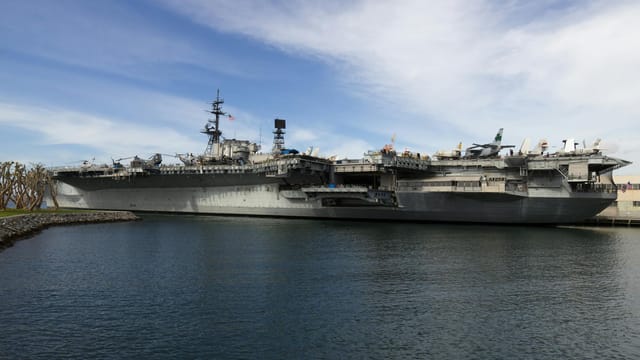
Beyond the Horizon: The USS Gerald R. Ford Ends Its Middle East Vigil
The USS Gerald R. Ford is preparing to depart the Middle East after a deployment focused on regional stabilization and deterrence. Expected to reach Virginia by mid-May, the carrier's exit marks a transition in U.S. maritime posture and highlights the complexities of global power projection.
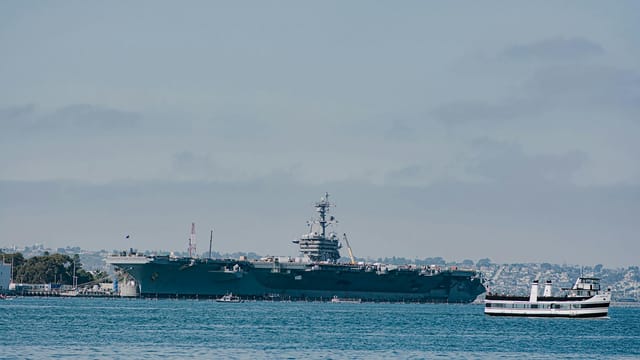
Trump’s Maritime Siege: The High-Stakes Gamble of a Naval Blockade on Iran
President Trump is utilizing a naval blockade to force Iran into a new nuclear agreement, rejecting a phased peace proposal in favor of total economic isolation. The strategy has brought the two nations to the brink of military confrontation, with both sides signaling readiness for escalation in the Strait of Hormuz.

Echoes of Assertiveness: Beijing Signals Hardline Stance in Scarborough Shoal Intercepts
Chinese state media is amplifying aggressive tactical dialogues between military personnel near Scarborough Shoal to signal resolve in the South China Sea. This shift toward nationalistic, high-stakes reporting aims to normalize China's control over the reef and deter regional challengers.
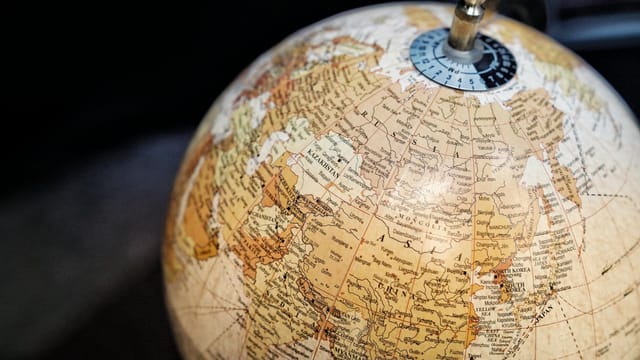
Stalemate in the Strait: The Tripartite Axis Blunting Washington’s 'Maximum Pressure' on Iran
The U.S. strategy of 'maximum pressure' against Iran is faltering as China, Russia, and Pakistan intervene with legal, political, and logistical support. Pakistan’s opening of a land corridor for third-party goods specifically undermines the effectiveness of the U.S. naval blockade in the Persian Gulf.