
Technology & AIAnalysis
Beijing Seed Congress Spotlights AI and Large Models in Smart Breeding
The 33rd China Beijing Seed Congress showcases domestic breeding chips, AI models, and automated phenotype tools to modernize agriculture.
Share
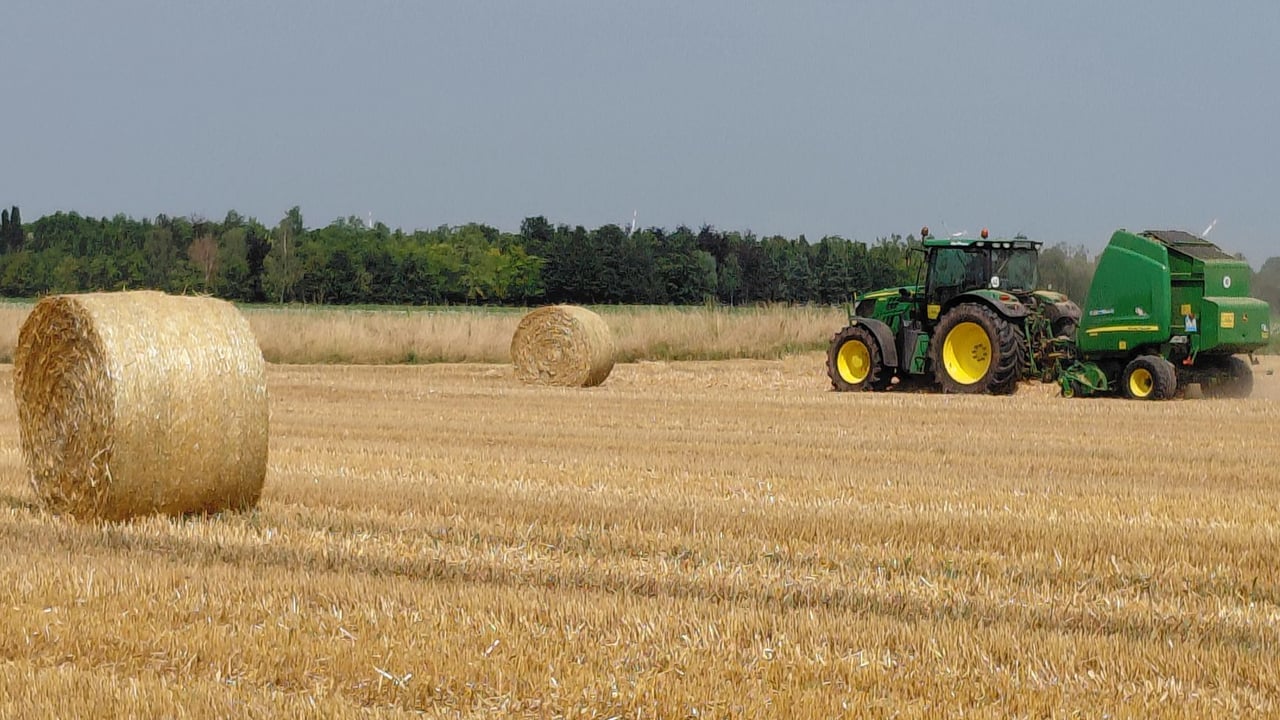
Photo by Mazhar Arslanoglu on Pexels
The Brief
The 33rd China Beijing Seed Congress opened in Beijing, focusing on the integration of artificial intelligence and digital technologies into modern crop and livestock breeding. Centered around the theme of AI-empowered intelligent breeding, the event brought together domestic and international research institutes, industry associations, and over 1,200 companies. Organizers unveiled 145 proprietary innovations, including dedicated breeding chips, large AI models, and smart phenotype collection equipment, alongside more than 600 cutting-edge agricultural achievements.
Why it matters
Seed varieties are often described as the "chips" of agricultural production. As global food security pressures rise, integrating computational biology, gene editing, and foundational AI models is shifting crop breeding from slow, empirical field trials toward data-driven, predictive design. The commercial deployment of domestically developed breeding chips and AI models indicates that China's agricultural research ecosystem is attempting to institutionalize digital breeding at scale.
China context
Beijing has actively positioned itself as a national "seed capital," leveraging its concentration of top agronomy institutes and technology firms. Under national strategic directives emphasizing agricultural self-reliance and seed industry revitalization, Chinese authorities are pushing to reduce reliance on imported germplasm and proprietary foreign breeding tools by pairing foundational agricultural research with domestic digital infrastructure.
Editor's View
EDITOR'S VIEW — Analysis and inference, not factual reporting.
The heavy emphasis on artificial intelligence at this year's Beijing Seed Congress reflects a broader policy convergence between China's industrial AI ambitions and its food security imperatives. While displaying 145 proprietary tools and models marks clear progress in upstream technological design, the long-term test lies in field translation. Delivering viable yield improvements and climate resilience across fragmented farming environments requires these computational models to integrate smoothly with practical agronomic workflows and commercial distribution networks.
What to watch
- Commercial adoption rates of the 145 proprietary breeding chips, AI models, and phenotype collection devices among commercial seed producers.
- Technical announcements emerging from parallel forums regarding algorithmic improvements in gene editing and genomic selection.
- International collaboration agreements and technology exchange between Chinese breeding enterprises and attending foreign delegates.
Key Takeaways
- 1The 33rd China Beijing Seed Congress opened with a thematic focus on AI-driven smart breeding and digital agriculture.
- 2Organizers unveiled 145 proprietary innovations, including breeding chips, large AI models, and automated phenotype collection equipment.
- 3The conference gathered 138 institutions and enterprises exhibiting 621 technological achievements.
- 4Attendance included 45 foreign delegates from 19 countries and international bodies, alongside 1,200 commercial enterprises and 20 leading research institutes.
The 33rd China Beijing Seed Congress opened on September 4 in Beijing, positioning artificial intelligence, genomic technologies, and digital systems at the core of agricultural modernization, according to a report by People's Daily.
Organized under the theme of "AI Empowering Smart Breeding, Digital Intelligence Leading the Future of the Seed Industry," the conference highlighted internationalization, smart technologies, and market-oriented applications. The event drew participation from 45 foreign guests representing international bodies such as the International Seed Federation alongside delegates from 19 countries. Domestically, the gathering convened 38 national and provincial industry associations, 20 key research institutes, and representatives from 1,200 enterprises.
Discussions and exhibits centered on establishing comprehensive smart breeding frameworks, sharing technical progress in gene editing, and advancing algorithm-driven selection techniques. Organizers introduced 145 proprietary innovations featuring independent intellectual property rights. These releases included specialized breeding chips, tailored large language and analytical models, and automated phenotype collection devices designed to provide reproducible models for agricultural transformation.
The main venue hosted technology exchange and experiential exhibition zones, spanning dedicated sections for core smart breeding technologies, regional product showcases, technology releases, key enterprise booths, and commercial trading. Across these zones, 138 domestic and international research organizations, seed enterprises, and technical service providers displayed 621 advanced technological achievements.
By convening computational service vendors alongside traditional seed developers, the conference underscored a systemic shift in modern agronomy. Rather than relying solely on multi-year empirical field testing, researchers are increasingly utilizing high-throughput sensor data and predictive AI algorithms to accelerate parent selection and trait stabilization, aiming to shorten development cycles for resilient crop and livestock varieties.
Sources
- 第三十三届中国北京种业大会开幕 --经济·科技--人民网 — People's Daily · 9/4/2026