
Business & IndustryAnalysis
China's August Indicators Show Industrial Growth Amid Investment Drop
High-tech manufacturing and foreign trade expanded, but nationwide fixed asset investment contracted 7.2 percent through August.
Share
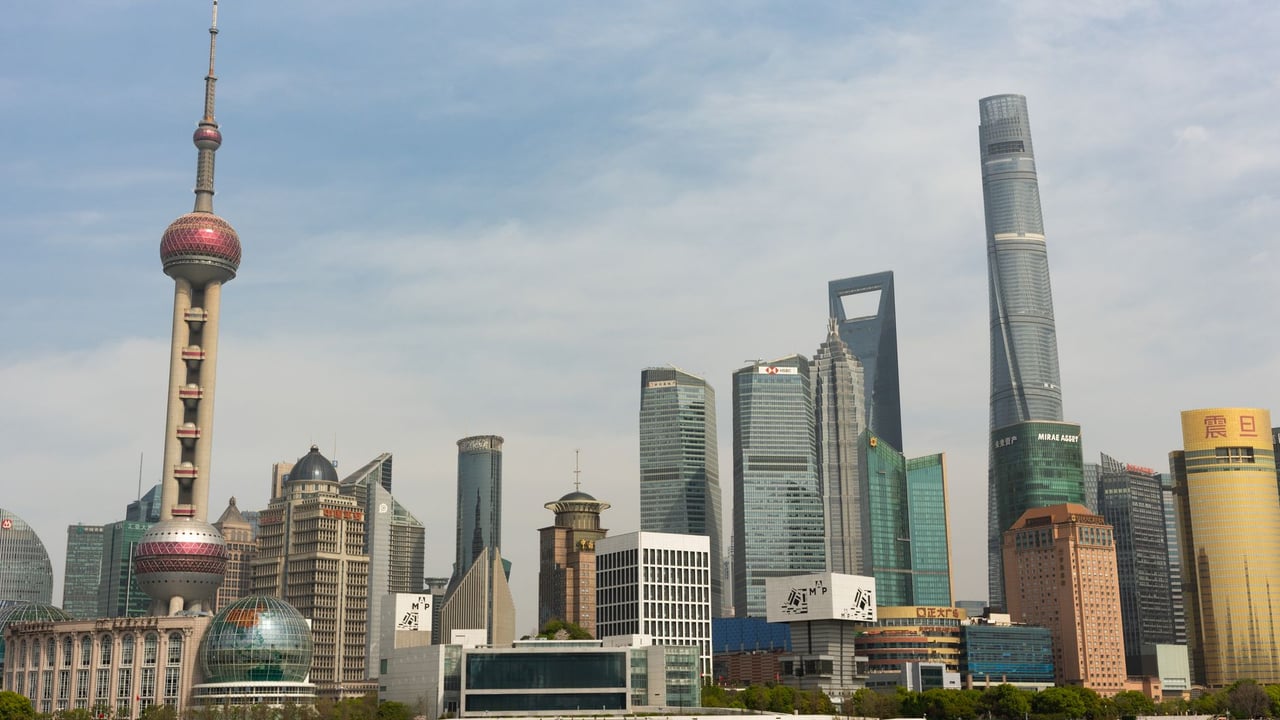
Photo by yu wang on Pexels
The Brief
National Bureau of Statistics data for August showed industrial output grew 5.2 percent year-on-year and foreign trade climbed 19.8 percent, propelled by advanced manufacturing and clean-tech exports. Modern services also remained steady, with the sector's production index rising 4.1 percent. However, nationwide fixed asset investment fell 7.2 percent across the first eight months of the year, weighed down by extreme summer weather and cautious corporate spending, even as high-tech and intellectual property capital expenditure continued to expand.
Why it matters
The stark divergence between accelerating high-tech industrial activity and contracting headline fixed investment highlights the frictions of China's economic transition. While external demand for green products and modern services provides stability, broader macroeconomic recovery will require domestic corporate capital expenditure to rebound and employment to remain stable.
China context
Beijing is actively steering capital away from debt-fueled property and traditional infrastructure toward advanced manufacturing, clean energy, and the digital economy. While exports of electric vehicles and batteries remain resilient, domestic private sector sentiment has been subdued, exacerbated in recent months by localized floods, heatwaves, and structural shifts in domestic demand.
Editor's View
EDITOR'S VIEW — Analysis and inference, not factual reporting.
The 7.2 percent decline in cumulative fixed asset investment is the most consequential figure in the August release. Although officials point to weather disruptions and emphasize that capital is rotating into research and high-tech manufacturing, such a sharp drop points to broader private-sector reticence. Sustaining momentum through targeted industrial policy can support headline growth, but long-term stabilization will hinge on revitalizing domestic market confidence and consumer demand.
What to watch
- Whether the contraction in cumulative fixed asset investment narrows as weather disruptions subside in the autumn.
- Labor market indicators following the slight uptick in the urban surveyed unemployment rate to 5.3 percent.
- Export performance in green technology and digital goods amid shifting trade conditions.
Key Takeaways
- 1Industrial output grew 5.2 percent year-on-year in August, led by double-digit gains in high-tech and digital manufacturing.
- 2Total foreign trade expanded 19.8 percent, driven by exports of electric vehicles and lithium batteries.
- 3Fixed asset investment declined 7.2 percent in the January–August period due to extreme weather and cautious corporate spending.
- 4Intellectual property investment rose 9.2 percent and high-tech sector investment increased 5.2 percent, defying the overall investment slump.
- 5Urban surveyed unemployment edged up to 5.3 percent, while CPI rose 0.8 percent and PPI rose 3.8 percent.
Official data released by the National Bureau of Statistics (NBS) showed a mixed economic picture for August, characterized by expanding industrial production and foreign trade alongside a sharp drop in overall fixed asset investment.
According to NBS spokesperson Fu Linghui, macroeconomic performance remained generally stable, with key momentum coming from advanced sectors. Value-added industrial output grew 5.2 percent year-on-year in August, accelerating by 0.7 percentage points from July. Growth was heavily driven by high-tech manufacturing and digital product manufacturing, which expanded by 16.7 percent and 15.7 percent respectively, together accounting for more than 60 percent of industrial growth.
The services sector also held steady, with the national service production index rising 4.1 percent year-on-year. Information transmission, software, and information technology services jumped 9.6 percent, contributing more than 20 percent of total service index growth, according to state media reports. Cumulative figures for January through August showed service retail sales growing 4.9 percent, with telecommunications and travel consulting categories each booking growth above 10 percent.
Foreign trade delivered strong headline figures, with total imports and exports increasing 19.8 percent year-on-year in August. Official statements highlighted robust export growth in green goods, including electric vehicles and lithium batteries, alongside expanded imports from developing regions across ASEAN, Africa, and Latin America. Domestic price levels remained modest, with consumer prices rising 0.8 percent and the producer price index increasing 3.8 percent.
In contrast, headline investment recorded a significant pullback. Fixed asset investment fell 7.2 percent year-on-year in the first eight months of the year. NBS official Wang Guanhua cited adverse summer weather, including high temperatures, typhoons, and floods that halted construction, alongside cautious corporate decision-making during the ongoing shift between old and new economic drivers.
Wang stressed that capital allocation is increasingly targeting innovation rather than aggregate volume. Investment in intellectual property products rose 9.2 percent through August, accounting for 15.2 percent of all fixed investment, while high-tech industry investment climbed 5.2 percent. On the labor front, the national urban surveyed unemployment rate ticked up 0.1 percentage point to 5.3 percent in August.
Sources
- 八月份经济总体平稳向新向优(权威发布) --经济·科技--人民网 — People's Daily · 9/16/2026
- 8月份我国现代服务业发展向好 — State Council of China · 9/16/2026