
Business & IndustryAnalysis
China Excavator Exports Surpass Domestic Sales in First Eight Months
Outbound shipments rose 31.8 percent year-on-year, propelled by mining demand in developing markets and restocking in the West.
Share
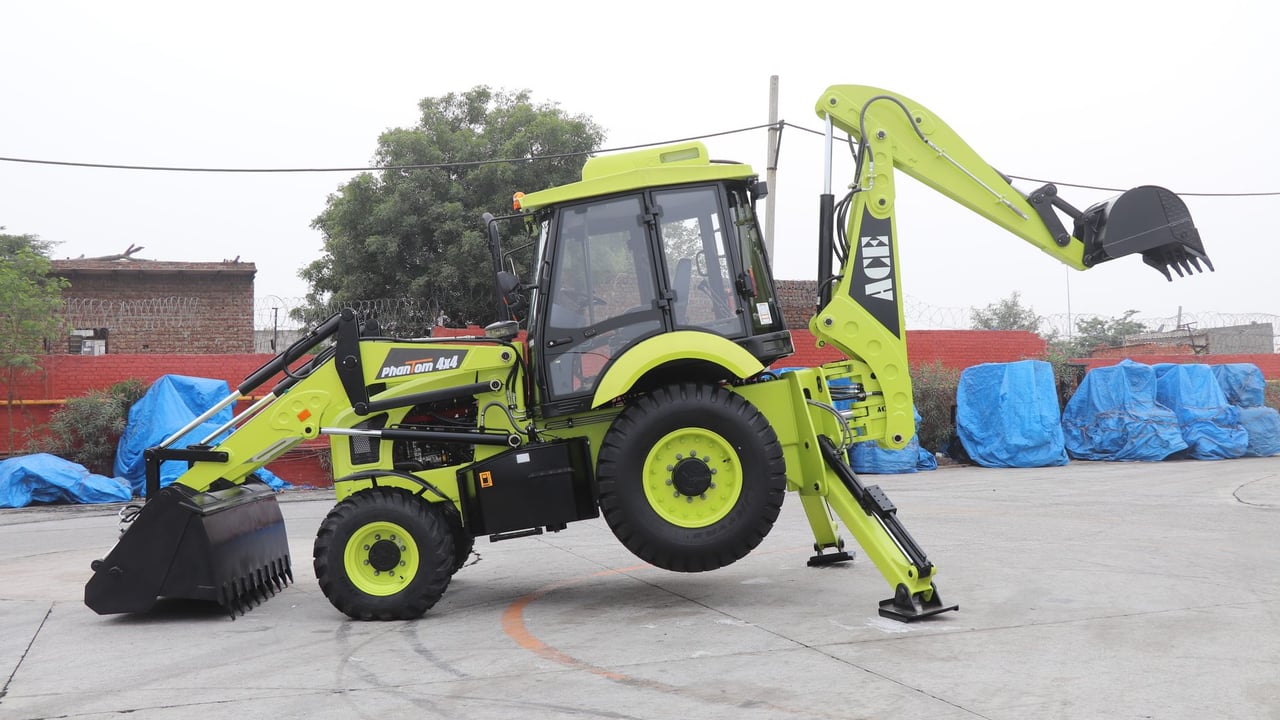
Photo by Action Construction Equipment Ltd. - ACE on Pexels
The Brief
Between January and August, China's cumulative excavator export volume surpassed domestic sales, according to data from the China Construction Machinery Association reported by domestic financial media. Outbound shipments increased 31.8 percent year-on-year, outpacing the domestic market's growth rate. Industry observers attribute the overseas expansion to active mining and infrastructure projects across Asia, Africa, and Latin America, alongside distributor inventory replenishment and data center construction in North America and Europe.
Why it matters
Excavator sales are widely regarded as a barometer of macroeconomic activity and infrastructure investment. Outbound shipments overtaking domestic sales indicates a structural shift for China's heavy equipment industry, turning global markets from a supplementary channel into a core operational pillar as domestic property construction remains subdued.
China context
Facing a multi-year cyclical adjustment in domestic property and local infrastructure investment, Chinese equipment manufacturers have leveraged domestic supply-chain integration and cost efficiencies to capture foreign market share. Rather than relying on generic bulk exports, manufacturers have increasingly shifted toward regional customization and localized research and development to compete with legacy multinational machinery brands.
Editor's View
EDITOR'S VIEW — Analysis and inference, not factual reporting.
The shift in heavy equipment deliveries highlights both structural pressures at home and rising competitiveness abroad. While emerging market mining demand and Western restocking provide near-term momentum, sustaining this export lead will depend on Chinese OEMs building durable overseas dealer networks and after-sales ecosystems before trade headwinds or localized tariffs slow their foreign expansion.
What to watch
- Whether excavator exports sustain their lead over domestic volume through the full calendar year as overseas inventory replenishment normalizes.
- Potential trade remedies, anti-dumping investigations, or tariff barriers targeting Chinese heavy machinery in North American and European markets.
- The pace at which Chinese equipment producers establish local assembly facilities and service networks in emerging markets.
Key Takeaways
- 1Excavator export volume exceeded domestic sales in China during the January–August period, according to the China Construction Machinery Association.
- 2Export shipments rose 31.8 percent year-on-year, significantly outperforming domestic demand growth.
- 3Growth drivers include mining activity in Asia, Africa, and Latin America, dealer restocking in Europe and North America, and specialized demand from data center construction.
- 4Chinese manufacturers are increasingly adopting tailored regional product development rather than shipping standardized domestic models.
China's cumulative excavator exports exceeded domestic sales volume during the first eight months of the year, according to data released by the China Construction Machinery Association and reported by CCTV Finance.
Outbound deliveries of excavators expanded by 31.8 percent year-on-year over the January-to-August period, registering a growth rate that far exceeded domestic market momentum. The figures highlight an accelerating shift among Chinese industrial manufacturers toward international markets to sustain operational volumes.
Industry analysts cited in Chinese business press pointed to several converging international drivers behind the export acceleration. In Asia, Africa, and Latin America, active resource extraction and expanding mining projects, paired with municipal infrastructure programs, sustained healthy demand for medium and large excavators.
Concurrently, machinery distributors in Europe and the United States entered a restocking cycle. Growing investments in digital infrastructure, including the construction of data centers to support artificial intelligence workloads, also contributed to broader industrial construction recovery and supported demand for compact and small-scale earthmoving equipment.
Beyond external demand, domestic manufacturers have consolidated advantages in pricing, equipment reliability, and after-sales service to capture incremental global market share. Chinese machinery makers have also modified their export strategies, moving away from supplying standardized hardware toward developing customized specifications tailored to local operating environments, regulatory standards, and climate conditions in target regions.
Sources
- 加速走向全球市场 今年1至8月我国挖掘机出口量超内销 — National Business Daily · 9/28/2026
- 加速走向全球市场 今年1至8月我国挖掘机出口量超内销 — China News Service · 9/29/2026