
Policy & RegulationAnalysis
China Expands Crop Unit Yield Campaign to Secure Autumn Grain Harvest
Beijing rolls out precision farming and targeted management across 1,000 counties as key crops enter a critical yield-formation window.
Share
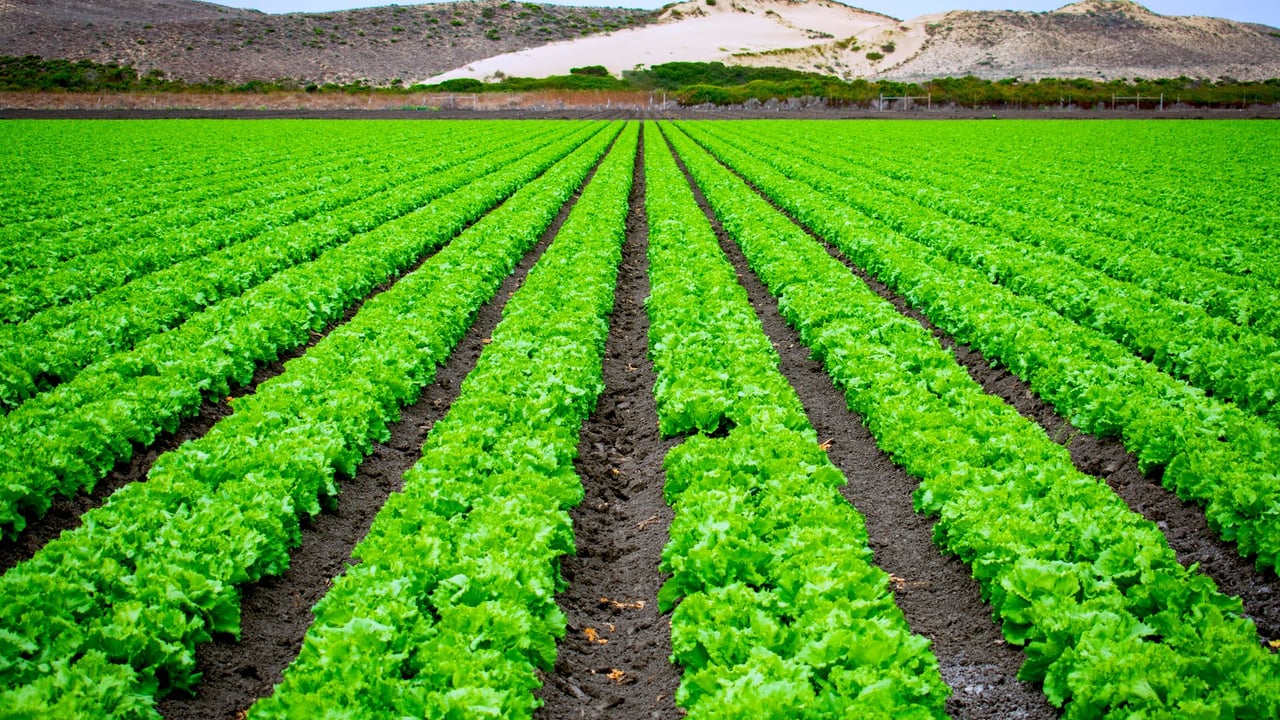
Photo by Mr. Location Scout on Pexels
The Brief
China has expanded its nationwide initiative to increase crop yields per unit area as autumn grain enters its critical yield-formation phase, according to state media reports. Marking the Start of Autumn on August 7, authorities designated 20 prefecture-level cities for integrated yield-boosting drives for the first time, while increasing the number of participating counties from 702 to 1,000. Agricultural hubs in Jilin, Shandong, and Anhui are deploying precision irrigation, dense planting, and drone monitoring to counter high temperatures and adverse weather roughly two months ahead of the autumn harvest.
Why it matters
Autumn grain accounts for roughly three-quarters of China's total annual grain production. With arable land strictly constrained, accelerating the adoption of high-yield agronomic techniques and equipment across entire administrative regions is central to Beijing's baseline food security strategy.
China context
Faced with finite land and water resources, China's agricultural policy has pivoted toward lifting yields on existing farmland rather than relying on acreage expansion. Central and local authorities are utilizing administrative coordination to diffuse advanced farming methods—traditionally confined to demonstration plots—across broad production bases.
Editor's View
EDITOR'S VIEW — Analysis and inference, not factual reporting.
By organizing yield enhancement campaigns at the whole-city and whole-county levels, policymakers are attempting to overcome the productivity constraints inherent in China's fragmented smallholder farming structure. The strategic deployment of smart fertigation and drone diagnostics reflects a broader push to insulate crop output from late-summer climate disruptions. The coming weeks of grain filling will provide a crucial test of whether these technological interventions can consistently translate into higher national output under volatile weather conditions.
What to watch
- Weather patterns across major grain-producing basins over the next two months, particularly heatwaves, waterlogging, typhoons, and early frost risks
- Preliminary yield measurement and harvest data from the 20 pilot cities and 1,000 designated counties
- Further field management directives from the Ministry of Agriculture and Rural Affairs during the late-stage crop filling and ripening phases
Key Takeaways
- 1China designated 20 cities and expanded county-level yield improvement programs from 702 to 1,000 jurisdictions.
- 2Major producing regions such as Jilin, Shandong, and Anhui are deploying dense planting, integrated fertigation, and drone surveillance to raise yields.
- 3The Ministry of Agriculture and Rural Affairs issued specific technical directives to protect maize, rice, and soybeans against heat and drought during the final two months before harvest.
China has stepped up its nationwide drive to improve crop yields per unit area as the country's autumn grain enters a decisive period of yield formation, state broadcaster CCTV reported on August 7, coinciding with the traditional solar term Start of Autumn (Liqiu).
To promote balanced yield gains across broader regions, China launched integrated yield improvement operations across 20 whole cities for the first time this year, while expanding the coverage of integrated promotion counties from 702 to 1,000, according to the report.
Major agricultural provinces are rolling out specialized farming methods and digital technologies to boost resilience against extreme weather. In Changchun, Jilin Province—one of the designated integrated promotion cities—local authorities have promoted wide-and-narrow row dense planting. The technique has increased maize planting density from 60,000 to 90,000 plants per hectare, paired with precision drip irrigation that has helped crops withstand recent high temperatures and humidity.
In eastern China, Shandong Province has established 504 benchmark demonstration plots to spearhead yield increases, expanding the application of integrated water and fertilizer technology to 9.3 million mu (approximately 620,000 hectares). In Gaotang County, smart drip irrigation systems have operated during consecutive hot days, utilizing frequent, low-volume watering and nutrient supplementation to sustain maize growth.
Meanwhile, Anhui Province has deployed multispectral agricultural drones across 38 integrated promotion counties. The drones collect crop growth data and generate spectral analysis maps, enabling localized and targeted field management to counter the impacts of plum rains, waterlogging, typhoons, and periodic heatwaves.
With the nationwide autumn grain harvest approximately two months away, the Ministry of Agriculture and Rural Affairs has issued targeted technical guidelines for maize, rice, and soybeans. These measures focus on mitigating high-temperature heat damage in maize and rice, as well as combating high temperatures and drought in soybean fields, guiding local authorities to reinforce crop management and solidify output expectations.
Sources
- 大面积单产提升持续加力 夯实秋粮稳产基础 — State Council of China · 8/7/2026