
Business & IndustryAnalysis
China Logistics Volume Up 5.1% in H1 as High-Tech Demand Accelerates
Total social logistics reached 181.1 trillion yuan in the first half of the year, driven by high-tech manufacturing and targeted transport investments.
Share
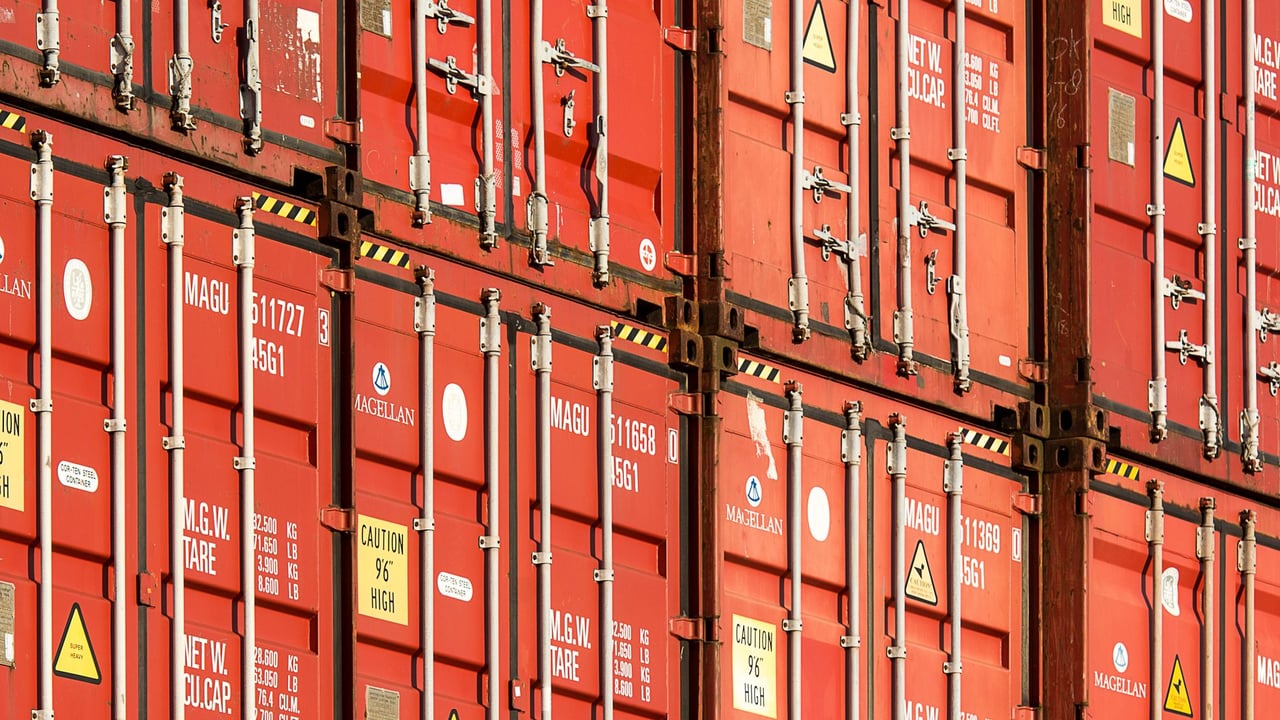
Photo by Jan van der Wolf on Pexels
The Brief
China's total social logistics reached 181.1 trillion yuan in the first half of the year, expanding 5.1% year-on-year, according to data from the China Federation of Logistics and Purchasing published by CCTV News. High-tech manufacturing logistics surged by 13.3%, pointing to a ongoing structural shift toward advanced industries. Targeted capital spending directed at key transport infrastructure supported this growth, with water and aviation transport investments rising 19.8% and 11.0%, respectively. Structural efficiency gains saved an estimated 70 billion yuan in total social logistics costs relative to first-half economic output.
Why it matters
The steady growth in logistics volume alongside a 13.3% jump in high-tech freight demonstrates that China's economic recovery is increasingly propelled by high-value industrial manufacturing and digital consumption. Furthermore, lowering logistics costs per unit of GDP helps improve supply chain efficiency and boosts overall margin performance for domestic enterprises.
China context
The latest figures reflect Chinese government policy initiatives aimed at reducing logistics costs across the real economy while optimizing freight transport architecture. By prioritizing capital deployment into inland water routes, aviation hubs, and multimodal connections, China is accelerating the construction of a modern, low-cost domestic logistics network.
Editor's View
EDITOR'S VIEW — Analysis and inference, not factual reporting.
The double-digit surge in high-tech manufacturing logistics underscores a real-economy rebalancing toward advanced electronics, clean technology, and specialized equipment. However, maintaining this structural momentum will require sustained infrastructure financing and seamless intermodal integration across regional hubs amidst a broader macroeconomic recovery.
What to watch
- The sustained strength of online and green consumer demand during the second half of the year.
- Project completion timelines and capacity utilization rates for newly funded water and air freight infrastructure.
- Specific local implementation details of national logistics cost-reduction directives across major industrial provinces.
Key Takeaways
- 1China's total social logistics grew 5.1% year-on-year to 181.1 trillion yuan in H1.
- 2High-tech manufacturing logistics led structural demand shifts with a 13.3% YoY increase.
- 3Infrastructure investment shifted toward water transport (+19.8%) and aviation (+11.0%).
- 4Decreasing logistics intensity per GDP unit generated approximately 70 billion yuan in cost savings.
China's national logistics volume sustained a steady expansion during the first half of the year, accompanied by notable structural shifts toward high-tech manufacturing and consumer delivery networks, according to data released by the China Federation of Logistics and Purchasing.
Total social logistics reached 181.1 trillion yuan in the first six months, representing a 5.1% increase compared to the same period last year. Alongside the expansion in total volume, official figures indicate an ongoing optimization in demand composition, led primarily by high-end manufacturing and digital retail activity.
Logistics demand within the high-tech manufacturing sector posted particularly strong momentum, growing 13.3% year-on-year during the first half. This expansion highlights the sector's role as a key growth driver, reflecting broader industrial trends toward higher value-added goods, such as advanced electronics and green technologies.
At the same time, consumer-related logistics maintained resilient growth. Online consumption served as the core engine for household delivery demand, while market appetite for green, smart, and premium consumer goods expanded steadily.
To accommodate these evolving trade flows, fixed-asset investments in logistics infrastructure were increasingly channeled into key transport nodes, multimodal transport hubs, aviation facilities, and water transportation networks. Investments in water transport grew by 19.8% year-on-year during the first half, while capital expenditure in aviation transport expanded by 11.0%.
In addition, national measures aimed at reducing logistics overhead produced measurable results. The logistics cost required per unit of gross domestic product (GDP) output continued to decrease. Based on total first-half GDP, these efficiency gains yielded approximately 70 billion yuan in cumulative savings for the overall economy.
As economic policymakers seek to consolidate recovery throughout the remainder of the year, the logistics industry's transition toward high-tech freight and streamlined multimodal infrastructure will remain central to maintaining industrial competitiveness.
Sources
- 我国物流总量稳步扩大 需求结构不断优化 — State Council of China · 7/30/2026