
Policy & RegulationAnalysis
China Establishes Regularized Assistance Framework to Guard Against Poverty Relapse
Central authorities allocate 177 billion yuan and deploy big data monitoring to maintain income growth and employment across underdeveloped regions.
Share
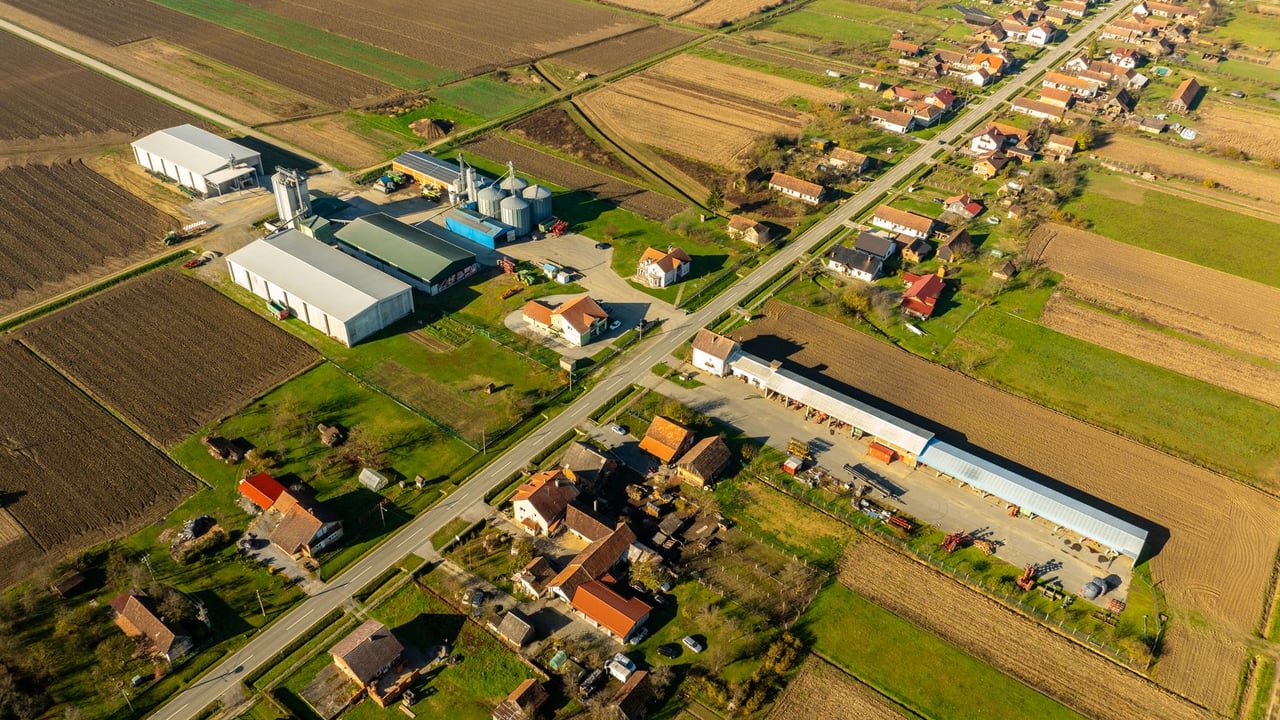
Photo by Vladimir Srajber on Pexels
The Brief
In the inaugural year of its regularized assistance initiative, China has established a comprehensive policy framework designed to prevent large-scale returns to poverty. Supported by 177 billion yuan from the central budget, the strategy combines cross-departmental algorithmic risk monitoring with targeted local industrial development. More than 32 million people lifted from poverty are currently employed, while rural disposable income growth in previously designated poverty-stricken counties continues to outpace the national rural average.
Why it matters
The rollout of a regularized assistance system marks an institutional shift from emergency poverty alleviation campaigns to permanent, systematic social security and economic support mechanisms. By securing dedicated central funding and integrating algorithmic monitoring, policymakers aim to ensure that vulnerable households and underdeveloped rural regions do not slip backward amid broader macroeconomic headwinds.
China context
Following the conclusion of China's absolute poverty eradication campaign, Beijing instituted a transition period to consolidate gains and bridge toward rural revitalization. The regularized assistance framework institutionalizes these measures, relying on municipal data sharing, localized industrial parks for relocated populations, and direct fiscal transfers to maintain baseline rural living standards.
Editor's View
EDITOR'S VIEW — Analysis and inference, not factual reporting.
The transition to regularized assistance highlights Beijing's focus on institutionalizing anti-poverty governance through data-driven administration and targeted industrial policy. By leveraging cross-sector data sharing between government departments and commercial banks, authorities are attempting to preempt household insolvency before it occurs. However, the long-term sustainability of these measures will depend on the commercial viability of relocated light-manufacturing clusters and their ability to withstand fluctuating consumer demand without indefinite state subsidies.
What to watch
- Fiscal oversight and disbursement efficiency of the 177 billion yuan in central regularized assistance funds across provincial governments
- Employment stability for the more than 32 million workers lifted from poverty amid shifting manufacturing dynamics
- Expansion of the dual-zone integration model linking relocation settlements with nearby industrial parks across other provinces
Key Takeaways
- 1Central government allocated 177 billion yuan in dedicated regularized assistance funds to support underdeveloped regions and sustain rural livelihoods.
- 2Over 32 million people lifted out of poverty are currently employed nationwide.
- 3Jiangxi integrated data across 13 government departments and 12 financial institutions for algorithmic poverty risk detection.
- 4Hunan's Mayang Longsheng relocation hub attracted 67 labor-intensive firms, employing 1,809 relocated residents locally.
China has basically established a comprehensive policy framework for regularized assistance, marking the official launch of a permanent mechanism to prevent rural populations from falling back into poverty, state media reported via the central government portal.
The policy framework integrates early risk monitoring, targeted industrial support, and employment assistance to ensure that large-scale relapses into poverty do not occur. According to official reports, early identification and intervention mechanisms are functioning across regional administrations, relying heavily on cross-sector data sharing.
In Jiangxi province, authorities upgraded their monitoring and assistance platform by deploying data modeling and algorithmic analysis. The system pools information from 13 government departments and 12 banking institutions to detect financial distress and potential poverty risks, enabling local officials to implement household-specific intervention plans.
Industrial development programs are also being expanded near relocation settlements. In Hunan province, the Longsheng Community in Mayang—the province's fourth-largest relocation settlement—has adopted a model that integrates residential relocation zones with adjacent industrial development parks. The initiative concentrates on labor-intensive sectors such as apparel, luggage, and electronic component manufacturing. To date, 67 enterprises have established operations in the surrounding industrial park, providing local employment for 1,809 relocated residents.
To underpin these programs nationwide, China's central fiscal budget allocated 177 billion yuan (approximately $24.7 billion) in dedicated regularized assistance funds this year. The funding is earmarked primarily for developing local industries, expanding rural employment opportunities, and improving basic development infrastructure in underdeveloped areas.
Official figures indicate that the number of employed individuals who were previously lifted out of poverty has surpassed 32 million nationwide. Furthermore, the growth rate of per capita disposable income among rural residents in formerly impoverished counties continues to exceed the national average for rural areas.
Sources
- 我国常态化帮扶实现稳健开局 — State Council of China · 8/14/2026