
Policy & RegulationAnalysis
China Probes Illicit Produce Preservation Amid Cold Chain Cost Dilemma
Recent food safety scandals in Hebei and Fujian reveal persistent enforcement gaps and economic hurdles in rural agricultural supply chains.
Share
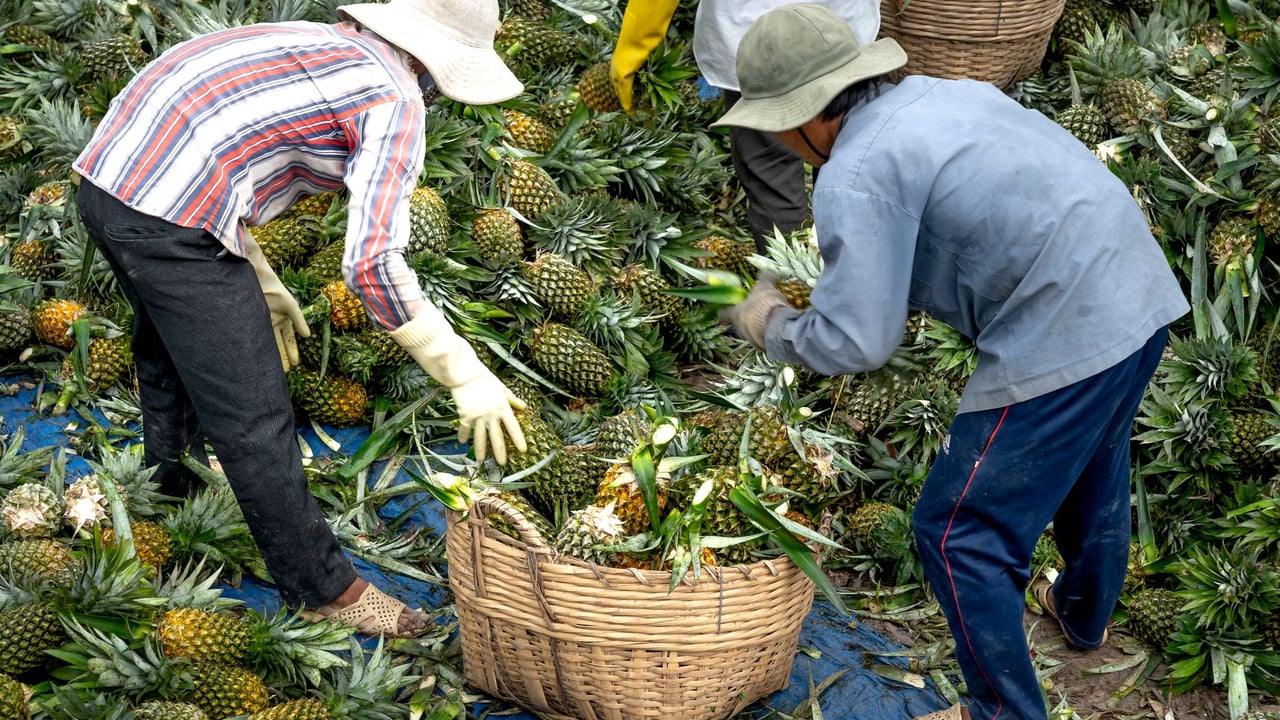
Photo by Quang Nguyen Vinh on Pexels
The Brief
Chinese authorities have launched regulatory and criminal investigations after produce buyers were found using prohibited chemical preservatives, including formaldehyde on cabbages in Hebei province and unapproved agents on bayberries in Fujian province. The incidents highlight a recurring structural challenge in China's agricultural supply chain: while central government subsidies have expanded cold storage infrastructure, small and mobile intermediate buyers often resort to cheap, illegal chemical treatments to prevent post-harvest spoilage during transit.
Why it matters
The use of banned chemicals at the source of the agricultural supply chain poses direct health risks to consumers and exposes vulnerabilities in first-mile food safety supervision. The issue underscores the broader challenge of making modern cold chain infrastructure accessible and affordable for dispersed rural aggregators.
China context
China's agricultural distribution relies heavily on decentralized procurement networks, where millions of smallholders sell produce to mobile intermediaries operating temporary collection stations. While central authorities have invested 18 billion yuan to build tens of thousands of cold storage facilities since 2020, high operational costs and enforcement gaps at the township and village level continue to complicate compliance.
Editor's View
EDITOR'S VIEW — Analysis and inference, not factual reporting.
Crackdowns following undercover revelations follow a familiar pattern in rural food governance: public outcry leads to swift police action, emergency tracing, and temporary inspections. However, punitive measures alone cannot resolve the underlying cost asymmetry. Unless shared cold storage and pre-cooling services become economically accessible to small-scale middlemen, the structural incentive to cut corners with illicit chemicals during peak transit seasons will persist.
What to watch
- Follow-up criminal and administrative penalties against the produce aggregators detained in Kangbao county.
- Results of national inspections into perishable vegetable distribution guided by central regulatory bodies.
- Local government initiatives aimed at expanding shared cold chain access and lowering pre-cooling costs for small produce handlers.
Key Takeaways
- 1Kangbao county authorities in Hebei took legal measures against produce buyers using formaldehyde to preserve cabbages during transit.
- 2The incident closely follows an earlier case in Zhangzhou, Fujian, involving illegal chemical preservation on bayberries.
- 3Despite 18 billion yuan in central subsidies establishing 78,000 cold facilities since 2020, high operating costs continue to push small-scale buyers toward cheap chemical substitutes.
- 4Three central government departments are guiding local investigations and emergency tracing of affected produce.
Chinese law enforcement and food safety authorities have initiated investigations into illegal chemical preservation practices among agricultural aggregators, spotlighting persistent vulnerabilities in the country's first-mile food supply chain.
In Kangbao county, Hebei province, local authorities announced on August 22 that police had taken compulsory enforcement measures against procurement personnel and vehicles after buyers were caught dipping harvested cabbages into formaldehyde solutions to prevent decay during long-distance shipping. Local officials launched urgent tracing of the affected produce alongside countywide inspections. The case followed a similar controversy in Longhai district, Zhangzhou, Fujian province, where multiple fruit collection stations were found using prohibited preservatives to extend the shelf life of bayberries.
State media and market commentaries pointed to a recurring enforcement dilemma in rural transit hubs. Primary procurement points frequently operate as temporary roadside stalls, making routine monitoring difficult for local regulators. Field inspectors noted that some merchants maintain dual sets of produce to evade random sampling, while enforcement risks subsiding once harvest peak seasons pass.
Underlying the misconduct is a stark economic disparity between compliance and illegal alternatives. While toxic chemicals such as formaldehyde cost negligible sums, standard cold chain transit—including rapid pre-cooling, refrigerated trucks, and localized cold storage—carries steep capital requirements. Dispersed middle-tier buyers facing potential shipment spoilage often choose illicit shortcuts when perceived enforcement risks are low.
To address structural deficits in post-harvest handling, China's Ministry of Finance and the Ministry of Agriculture and Rural Affairs allocated a combined 18 billion yuan ($2.5 billion) between 2020 and 2022 to subsidize cold storage facilities. The initiative supported roughly 78,000 localized preservation units and reduced post-harvest crop loss rates in designated project zones from 19.7% to 7.1%. However, policy analysts note that these subsidies have primarily benefited larger agricultural cooperatives, leaving individual, mobile buyers underserved.
In response to the Kangbao case, three central government departments have stepped in to guide local authorities in expediting case handling and tracing compromised shipments, underscoring the central leadership's focus on closing supply-chain regulatory loopholes.
Sources
- 从漳州“泡药杨梅”到康保“甲醛白菜”:必须打破“违法保鲜”与“高成本保鲜”的“二选一”困局丨每经热评 — National Business Daily · 8/23/2026
- 每经热评 | 从漳州杨梅到康保白菜:必须打破“违法保鲜”与“高成本保鲜”的“二选一”困局 — National Business Daily · 8/23/2026
- 三部门指导地方快速处置“白菜收购环节蘸取甲醛溶液”问题 — China News Service · 8/23/2026