
Business & IndustryAnalysis
China's Major Ports Post 56.4% Rise in Departing Cargo Vessel DWT in July
Port deadweight tonnage expanded sharply in July, signaling strong outbound freight demand across key shipping hubs.
Share
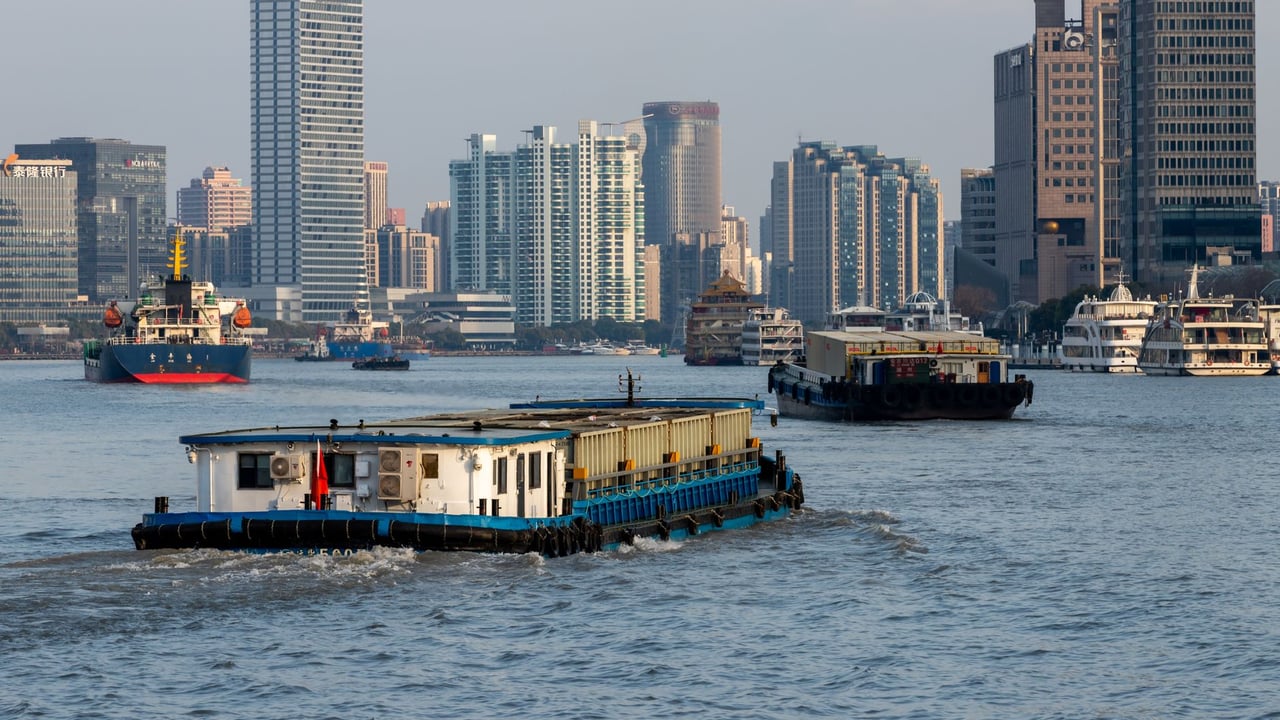
Photo by JC Terry on Pexels
The Brief
Outbound cargo capacity at China's major coastal and river ports expanded significantly in July, with departing vessel deadweight tonnage rising 56.4% year-on-year, according to state media reports citing preliminary shipping data. The notable expansion in departure tonnage highlights heightened operational momentum across the nation's logistics and export corridors, serving as an indicator of resilient manufacturing dispatches and foreign trade flows heading into the late summer trading cycle.
Why it matters
Port departure deadweight tonnage acts as a direct bellwether for real trade activity and maritime logistics demand. A year-on-year increase exceeding 50% points to strong throughput momentum and elevated shipping activity from Chinese hubs.
China context
Amid global economic headwinds, China's export ecosystem continues to lean into high-value manufacturing and diversified overseas markets. Sustained outbound maritime activity provides logistical backing for broader foreign trade stability.
Editor's View
EDITOR'S VIEW — Analysis and inference, not factual reporting.
While the 56.4% year-on-year jump in departing deadweight tonnage signals robust port-side loading activity, readers should track whether this capacity expansion translates directly into proportional value gains in upcoming trade releases or reflects adjustments in vessel scheduling and container repositioning.
What to watch
- Official July trade and detailed port throughput metrics from the General Administration of Customs and Ministry of Transport
- Freight rate movements across major outbound container and ro-ro shipping corridors into the fourth quarter
- Capacity utilization and turnaround times at primary gateway ports in eastern and southern China
Key Takeaways
- 1Departing vessel deadweight tonnage at major Chinese ports grew 56.4% year-on-year in July.
- 2The data, reported by CCTV News, highlights elevated operational throughput across commercial maritime hubs.
- 3Vessel capacity expansion serves as a key high-frequency indicator of outbound logistics and trade momentum.
Departing cargo ship deadweight tonnage across China's major commercial ports registered a 56.4% year-on-year increase in July, according to state broadcaster CCTV News.
The sharp expansion in vessel departure tonnage reflects accelerated maritime logistics activity and sustained vessel deployment across the country's primary coastal gateways and inland river hubs. As a core measure of physical carrying capacity, deadweight tonnage (DWT) tracks the aggregate volume of cargo, fuel, and supplies that vessels can safely transport upon leaving berth, serving as a timely operational barometer for industrial dispatches and outbound trade demand.
The July rebound aligns with seasonal peak-shipping preparations ahead of international retail cycles, alongside steady logistics flows supporting regional supply chains. Elevated shipping capacity deployment suggests that terminal operators and shipping lines experienced higher asset utilization compared to the same period in previous operational cycles.
Industrial observers track port operational metrics closely as leading indicators of physical foreign trade volume before consolidated customs statistics are finalized. The substantial double-digit growth in departing capacity highlights ongoing operational resilience in China's port networks, which have continued to upgrade automated loading facilities, expand berth allocations, and streamline customs clearance procedures to accelerate vessel turnaround times.
While departure deadweight tonnage measures physical transport capacity rather than the final monetary value of goods traded, the substantial expansion indicates robust outward logistics flows as shippers manage scheduled deliveries across key international lanes.
Sources
- Com — China News Service · 8/8/2026