
Business & IndustryAnalysis
China Power Construction Shifts Focus to Grid Upgrades as Wind and Solar Expand
A newly released industry report outlines a structural shift toward grid resilience, storage, and overseas contracting ahead of the 15th Five-Year Plan.
Share
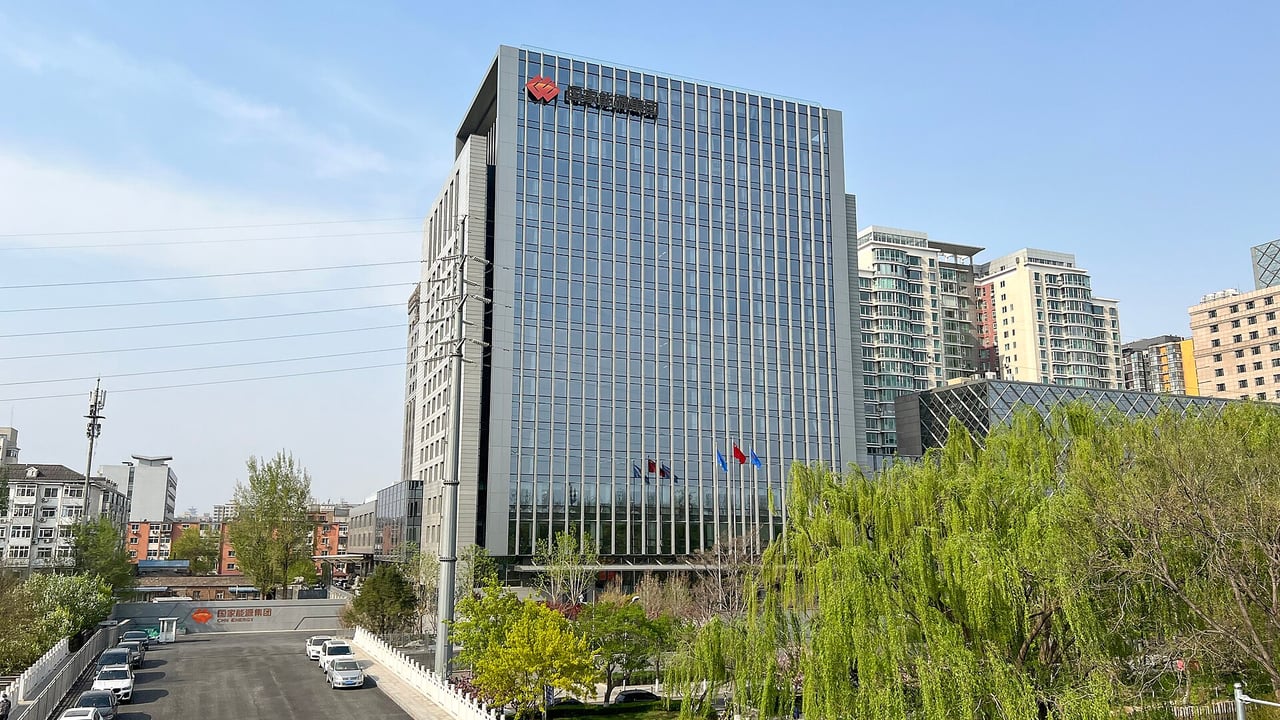
N509FZ via Wikimedia Commons, CC BY-SA 4.0
The Brief
China's power construction sector is shifting capital toward grid stability, direct-current corridors, and flexible capacity as renewable energy scales rapidly, according to an industry annual report released by the China Electric Power Construction Association. By the end of 2025, combined wind and solar capacity reached 1.84 billion kilowatts—accounting for 47.3 percent of the country's total power generation capacity and surpassing coal for the first time. The sector is recalibrating investments to balance decarbonization goals with baseline power reliability.
Why it matters
The milestone of wind and solar capacity surpassing thermal generation reflects a structural transition in China's energy mix. However, the surge in intermittent renewables creates significant integration challenges, shifting investment priorities from raw capacity expansion to transmission corridors, intelligent microgrids, and flexible balancing resources.
China context
Policymakers in Beijing are navigating the dual imperatives of decarbonization and supply security. Rather than phasing out thermal power entirely, the sector is repositioning coal-fired plants into flexible balancing assets while expanding ultra-high-voltage direct-current lines to transport power from large desert renewables bases to eastern load centers.
Editor's View
EDITOR'S VIEW — Analysis and inference, not factual reporting.
The transition highlighted in the report shows that the primary bottleneck in China's energy transition has moved from generation capacity to grid absorption and dispatch flexibility. By channeling 25.7 percent investment growth into direct-current transmission networks in 2025 while maintaining positive growth in coal and nuclear investments, planners are prioritizing system stability. This dual strategy avoids the supply disruptions seen in earlier transition phases while securing an operational baseline for new renewable infrastructure.
What to watch
- Specific deployment targets for ultra-high-voltage lines and energy storage in forthcoming 15th Five-Year Plan documentation.
- Commercial progress of virtual power plants and smart microgrids within regional spot electricity markets.
- Export trajectories of Chinese power equipment and engineering services across overseas markets.
Key Takeaways
- 1Total power generation capacity reached 3.9 billion kilowatts at the end of 2025, with wind and solar accounting for 1.84 billion kilowatts (47.3 percent), surpassing coal for the first time.
- 2Wind and solar installations made up nearly 80 percent of the 550 million kilowatts in new generation capacity added nationwide in 2025.
- 3Major power enterprises invested 1.7323 trillion yuan in 2025; grid investment reached 639.5 billion yuan, led by a 25.7 percent surge in direct-current grid projects.
- 4Investments in thermal and nuclear generation grew positively to ensure baseline grid stability, while wind, solar, and hydropower investments moderated.
- 5Future construction during the 15th Five-Year Plan will emphasize ultra-high-voltage corridors, distribution grid retrofits, pumped storage, and smart microgrids.
China's power construction industry is adjusting its medium- and long-term trajectory toward high-quality infrastructure upgrades, with spending concentrating heavily on direct-current transmission corridors, storage, and intelligent distribution, according to the China Electric Power Construction Association's annual report released in August 2026.
The sector reached a structural milestone at the end of 2025, when total nationwide installed generation capacity reached 3.9 billion kilowatts, an increase of 16.2 percent year-on-year. Of that total, combined wind and solar installations climbed to 1.84 billion kilowatts, representing 47.3 percent of overall capacity and exceeding coal-fired power capacity for the first time. Wind and solar also accounted for nearly 80 percent of the 550 million kilowatts in new capacity brought online in 2025.
In response to the massive expansion of intermittent generation, overall capital allocation in power construction has evolved. Major domestic power companies invested 1.7323 trillion yuan across projects in 2025. While spending on wind, solar, and conventional hydropower tapered, investments in coal and nuclear power maintained positive growth to ensure baseload stability and dispatchable flexibility.
Simultaneously, infrastructure investment shifted toward grid networks. Power grid engineering investments reached 639.5 billion yuan in 2025, up 5.1 percent year-on-year, with spending on direct-current grid projects surging by 25.7 percent. According to the association, priorities during the upcoming 15th Five-Year Plan period (2026–2030) include advancing ultra-high-voltage transmission channels, upgrading urban and rural distribution grids, and accelerating pilot projects for smart microgrids and virtual power plants.
Technological deployments across the industry have accompanied the investment shift. Recent developments include 20-megawatt offshore wind turbines, carbon fiber blades, ultra-supercritical circulating fluidized bed boilers, ultra-high-voltage circuit breakers, and commercial carbon capture, utilization, and storage projects. Additionally, Chinese engineering contractors expanded their overseas footprint, with power project contracts and equipment exports active across 68 countries and regions.
Sources
- 电建行业中长期发展路径明晰--经济·科技--人民网 — People's Daily · 8/21/2026