
Business & IndustryAnalysis
China Unveils Fresh Capital Injections for Major State Financial Firms
The Ministry of Finance and state partners plan to inject hundreds of billions of yuan into top banks and insurers.
Share
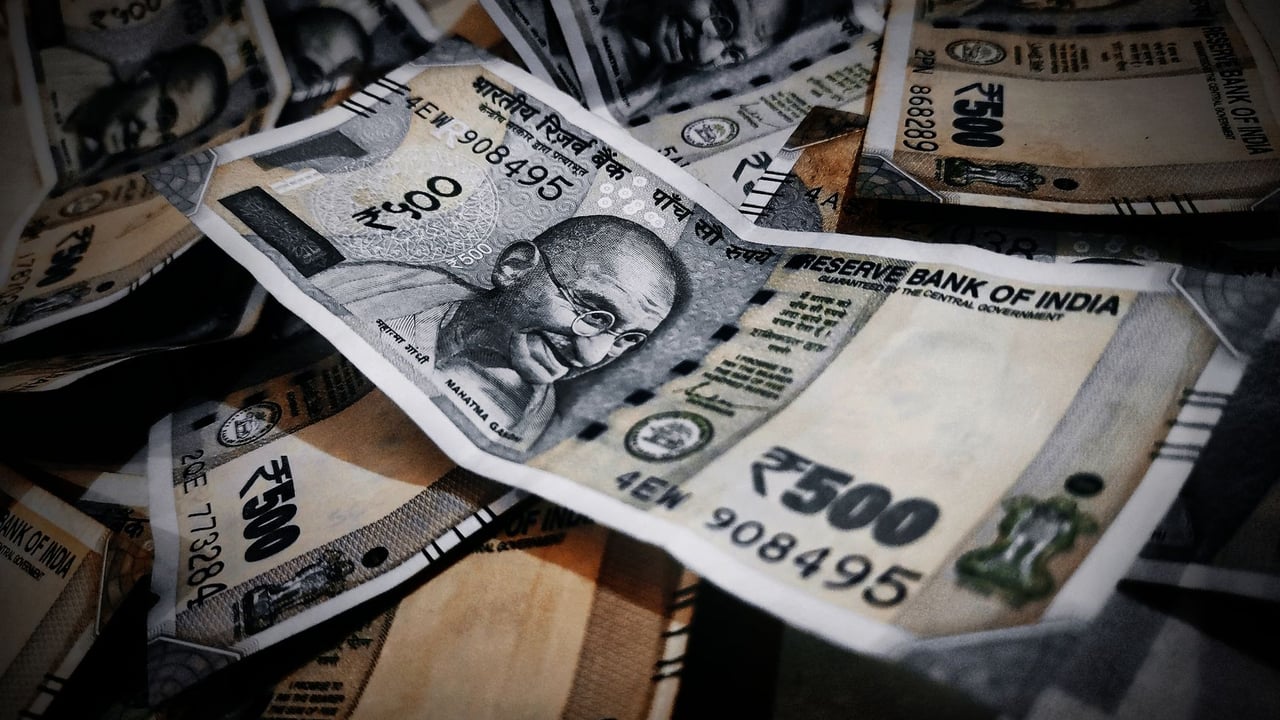
Photo by Pranav Choubey on Pexels
The Brief
Chinese authorities have announced large-scale capital replenishments across several major state-owned financial institutions, including commercial lenders, policy banks, and state insurers. Disclosures on September 6 revealed share placements and direct cash injections involving the Ministry of Finance alongside entities affiliated with China National Tobacco Corporation. Official reporting cited up to 360 billion yuan in planned capital replenishment across eight central financial enterprises, while direct Ministry of Finance commitments across key announcements totaled at least 297 billion yuan. The coordinated move follows earlier sovereign debt issuances and is aimed at strengthening core Tier 1 capital and expanding lending capacity.
Why it matters
Expanding the core capital of China's largest state-owned banks and insurers increases their capacity to absorb credit risk and sustain balance sheet growth amid broader economic challenges. By strengthening these central institutions, authorities reinforce their ability to support domestic strategic initiatives and extend credit to the real economy without breaching regulatory capital requirements.
China context
Deploying special sovereign bonds and central treasury funds for direct bank recapitalization demonstrates close alignment between Chinese fiscal and monetary mechanisms. Bringing in cash-rich state enterprises such as China Tobacco as co-investors diversifies the source of state funding while maintaining disciplined public ownership across systemically important institutions.
Editor's View
EDITOR'S VIEW — Analysis and inference, not factual reporting.
The recapitalization effort follows a precedent set when the Ministry of Finance issued 500 billion yuan in special sovereign debt to support Bank of China, China Construction Bank, Bank of Communications, and Postal Savings Bank of China. By extending similar balance-sheet support to ICBC, Agricultural Bank of China, policy lenders, and commercial insurers, authorities are taking a preemptive approach to systemic resilience. The inclusion of commercial insurance groups indicates an expanding regulatory focus on solvency cushions alongside banking stability.
What to watch
- The timeline and tranche scheduling for the planned 300 billion yuan in special sovereign bond issuance
- Regulatory approval milestones and shareholder voting for targeted private share placements at ICBC, ABC, and PICC
- The trajectory of core Tier 1 capital adequacy ratios and loan growth rates across participating institutions once capital is disbursed
Key Takeaways
- 1ICBC and Agricultural Bank of China unveiled private placements seeking up to 100 billion yuan and 160 billion yuan, respectively, to replenish core Tier 1 capital.
- 2The Ministry of Finance plans to contribute 70 billion yuan to ICBC and 130 billion yuan to ABC, with China Tobacco entities funding the remaining portions.
- 3Capital injections are also designated for the Export-Import Bank of China, Sinosure, PICC, China Life, China Taiping, and China Re.
- 4The initiatives operationalize a planned 300 billion yuan special treasury bond quota announced by the government to reinforce systemically important financial balance sheets.
Chinese state-owned financial institutions have unveiled sweeping capital replenishment plans backed by the Ministry of Finance and major state-owned enterprises. According to announcements published on September 6, the operations span large commercial banks, policy-oriented institutions, and state insurers.
Under targeted share issuance proposals, Industrial and Commercial Bank of China plans to raise up to 100 billion yuan, with the Ministry of Finance intending to subscribe to 70 billion yuan. The remaining 30 billion yuan is slated to come from China National Tobacco Corporation and its regional subsidiaries, including units in Shanghai, Yunnan, and Hunan. Similarly, Agricultural Bank of China announced plans to raise up to 160 billion yuan through a private placement. The finance ministry intends to contribute 130 billion yuan, while China Tobacco and several provincial subsidiaries plan to subscribe to the remaining 30 billion yuan. Proceeds from both offerings are earmarked entirely to replenish core Tier 1 capital.
Beyond commercial banking, the Ministry of Finance is targeting direct capital support for policy institutions and major insurers. Reports indicate the Export-Import Bank of China is slated to receive 30 billion yuan, while China Export & Credit Insurance Corporation, or Sinosure, will receive 10 billion yuan. Among insurers, People's Insurance Company of China plans a private A-share placement of up to 15 billion yuan to be subscribed by the finance ministry. The ministry will also inject 35 billion yuan into China Life Insurance Group and 7 billion yuan into China Taiping Insurance Group.
While market reports tallying direct finance ministry commitments across seven major lenders and insurers placed the total at 297 billion yuan, Xinhua reported that eight central financial institutions are planning a cumulative 360 billion yuan in capital replenishment. That broader figure incorporates total private placement targets—including China Tobacco's 60 billion yuan across ICBC and ABC—as well as a planned 3 billion yuan domestic share subscription by the Ministry of Finance into China Reinsurance Group.
Official outlets linked the operations to policy plans outlined earlier this year authorizing 300 billion yuan in special treasury bonds to support central financial capital. In August, Vice Finance Minister Liao Min highlighted the planned sovereign bond issuance to bolster central financial enterprises and support real-economy financing. The move builds on a previous 500 billion yuan special sovereign bond issuance deployed to support four other major state lenders.
Sources
- 财政部,注资近3000亿元!涉及这些银行、保险机构,明细来了 — Securities Times · 9/6/2026
- 8家中央金融企业拟增资3600亿元用于补充资本--经济·科技--人民网 — People's Daily · 9/6/2026