
Technology & AIAnalysis
Chinese Scientists Develop One-Line Hybrid Rice With High Cloning Efficiency
A team at the China National Rice Research Institute introduced 'Yixi 1', achieving over 99 percent cloning efficiency to preserve hybrid vigor across generations.
Share
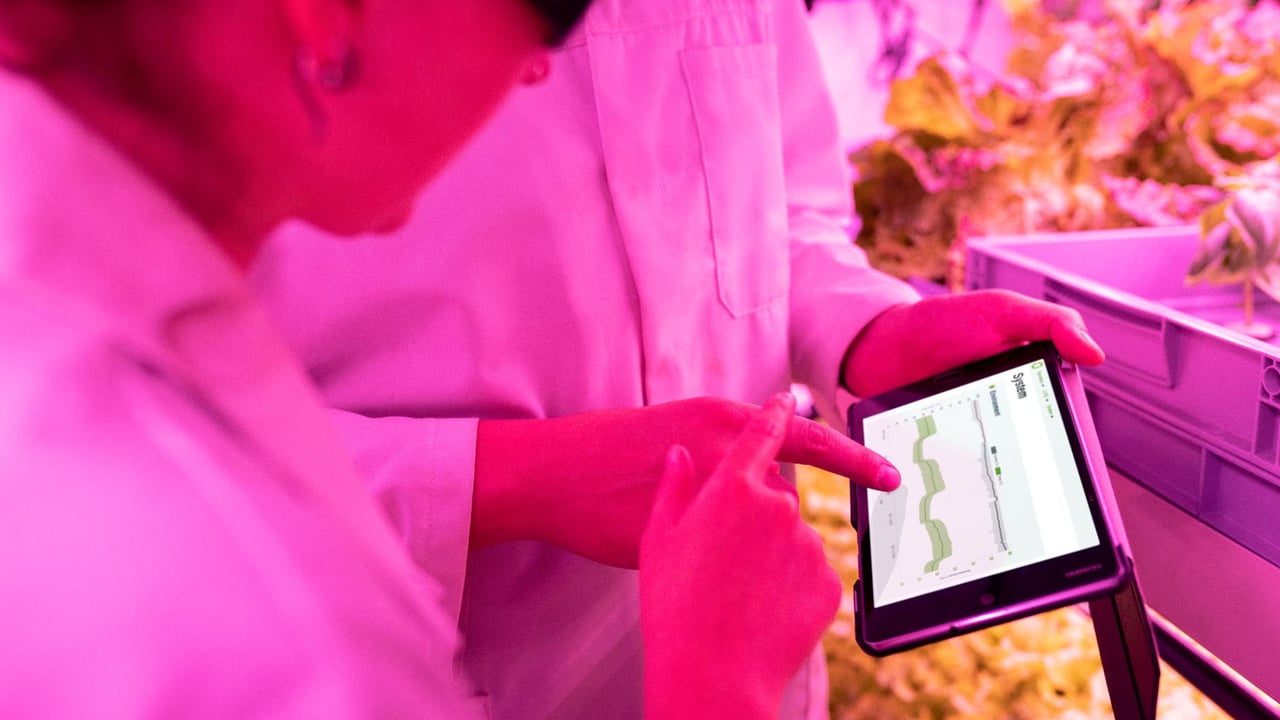
Photo by ThisIsEngineering on Pexels
The Brief
Researchers at the China National Rice Research Institute led by Wang Kejian have achieved a significant technical advance in hybrid rice breeding by developing a single-line system named 'Yixi 1.' By utilizing apomixis to produce genetically identical cloned seeds, the system maintains over 99 percent cloning efficiency and normal yield levels across multiple generations and field settings. Published in the journal Vita on July 21, 2026, this technology aims to bypass the expensive annual seed production required by traditional two-line and three-line systems, potentially lowering farming costs once safety testing and field evaluations are completed.
Why it matters
Single-line hybrid rice achieves nearly 100 percent cloning efficiency and normal seed setting rates, addressing long-standing technical hurdles in apomictic breeding. If safety testing and regulatory approvals succeed, the approach could eliminate costly annual seed production and significantly lower agricultural input costs globally.
China context
China has historically led global hybrid rice research, from three-line and two-line systems pioneering agricultural self-sufficiency to this latest single-line advance. The development of 'Yixi 1' highlights Chinese research institutions' focus on seed industry revitalization and core agricultural technological autonomy.
Editor's View
EDITOR'S VIEW — Analysis and inference, not factual reporting.
The transition from multi-line hybrid seed production to single-line self-reproducing crops represents a long-sought goal in agricultural biotechnology. While achieving a 99 percent cloning efficiency in test fields resolves a decade-long scientific obstacle, commercial viability will depend heavily on multi-locational field trial yields, environmental stability, and regulatory approval pathways.
What to watch
- Progress on safety assessments and genetic stability evaluations conducted by the research team.
- Multi-location field trial performance, including yield and disease resistance across diverse agricultural regions.
- Regulatory updates and variety approval policy decisions regarding apomictic biotech crops in China.
Key Takeaways
- 1China National Rice Research Institute developed 'Yixi 1', achieving over 99 percent cloning efficiency in hybrid rice.
- 2The breakthrough utilizes ectopic expression of the endogenous 'HUAXU' gene to induce parthenogenesis.
- 3Fixing hybrid vigor via apomixis allows hybrid seeds to be saved and reused, bypassing costly annual seed production.
- 4Researchers will next focus on safety assessments, stability evaluations, and multi-location field testing.
Researchers at the China National Rice Research Institute have reported a major technical advance in hybrid rice breeding, developing a single-line system capable of self-reproducing hybrid seeds with an apomictic cloning efficiency exceeding 99 percent and normal yield levels. The findings, published on July 21 in the journal Vita, center on a line named "Yixi 1" created by a team led by researcher Wang Kejian.
Hybrid rice has long contributed significantly to global food security, but conventional production relies on two-line or three-line breeding systems. Because second-generation seeds undergo genetic segregation, farmers cannot save seeds from harvested crops for planting in subsequent seasons. Instead, seed producers must conduct labor-intensive cross-breeding every year using male-sterile and restorer lines, resulting in seed costs often more than ten times higher than those of conventional rice varieties.
To address this challenge, Wang's team launched the "One-Line Hybrid Rice Exploration Plan" in 2013. The primary goal of a single-line system is to fix hybrid vigor—heterosis—through apomixis, enabling hybrid plants to produce genetically identical cloned seeds without sexual fertilization. Although the team constructed its first apomictic hybrid rice system in 2017, early trials yielded a cloning efficiency of only around 5 percent alongside a marked reduction in seed setting rates.
The latest breakthrough stems from discovering an endogenous rice gene designated "HUAXU". Ectopic expression of HUAXU in rice egg cells induces parthenogenesis to generate haploid offspring. By combining this mechanism with an engineered clonal gamete strategy, the team established apomictic lines that maintained over 99 percent cloning efficiency across multiple rice varieties, successive generations, and large-scale field planting conditions while maintaining normal yield rates.
While Wang noted that the system could potentially eliminate annual hybrid seed production costs and strengthen global food security, he cautioned that moving from experimental plots to widespread commercialization presents remaining hurdles. Next steps for the research group will focus on safety assessments, genetic stability evaluation, and further optimization.
Sources
- 我国杂交水稻育种科研取得重要进展--经济·科技--人民网 — People's Daily · 7/22/2026
- South China Morning Post — South China Morning Post
- Modernmechanics24 — Modernmechanics24
- Cgtn — Cgtn