
Business & IndustryAnalysis
China Semiconductor Tool Sector Profit Up 90% as Divergence Widens
First-half net profits in semiconductor equipment surged over 90 percent, though performance reflects growing structural divergence across the industry.
Share
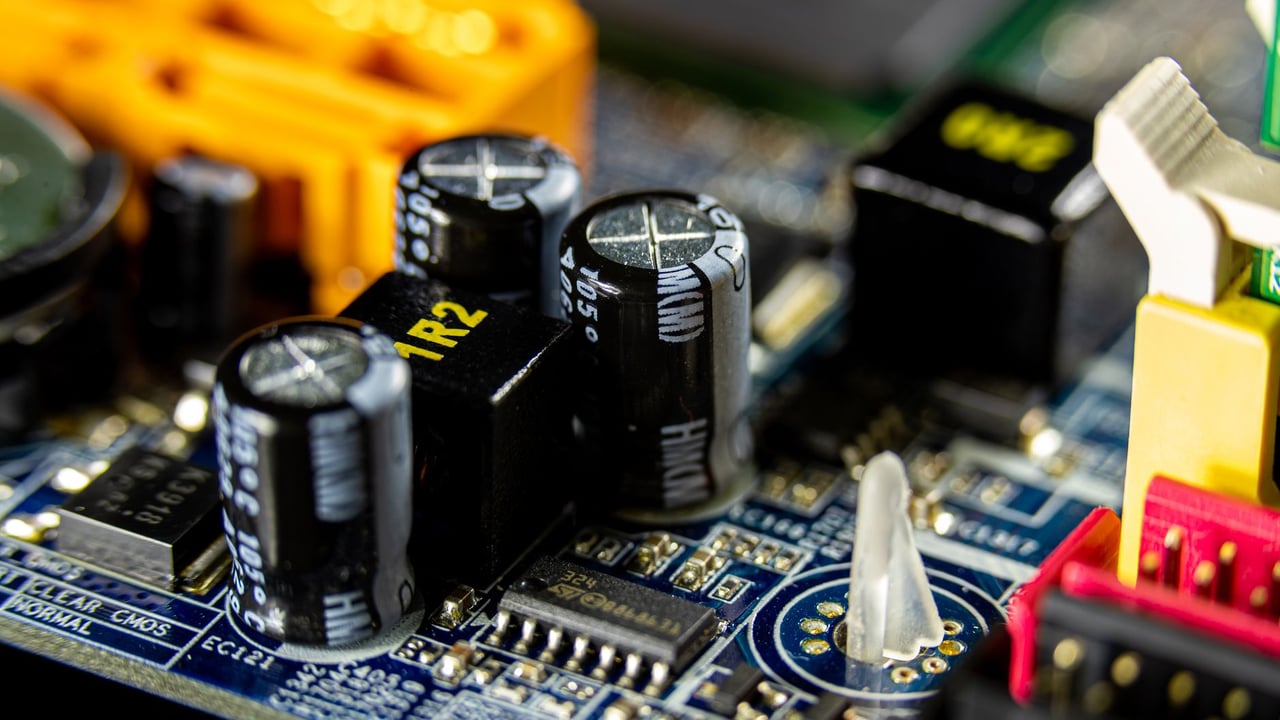
Photo by Sergei Starostin on Pexels
The Brief
Net profits across China's semiconductor equipment sector increased by more than 90 percent year-on-year in the first half of the year, according to domestic financial media. The robust earnings reflect ongoing deliveries for domestic wafer fab expansions. However, the sector is also experiencing pronounced structural divergence, as scale advantages, technical barriers, and differing process node capabilities separate diversified leaders from specialized or lower-tier equipment suppliers.
Why it matters
Semiconductor equipment represents the most upstream link in integrated circuit fabrication. High earnings growth demonstrates that domestic capacity expansion is successfully translating into recognized vendor revenues. At the same time, growing divergence indicates that technology moats and product portfolio breadth are beginning to reshape long-term competitive dynamics.
China context
Faced with external trade restrictions and domestic supply chain resilience initiatives, Chinese foundries have accelerated tool qualification and procurement from domestic equipment makers. However, competition is intensifying in mature-process toolsets, placing greater pricing power and margin stability in the hands of vendors capable of addressing advanced process steps.
Editor's View
EDITOR'S VIEW — Analysis and inference, not factual reporting.
The headline figure of a 90 percent profit jump underscores the sheer velocity of domestic fab buildouts over the past two years. Yet the simultaneous emergence of structural divergence is the more consequential long-term trend. As the low-hanging fruit of basic tool substitution is exhausted, the domestic equipment market is transitioning from a phase of broad-based expansion to one where technical execution, sustained R&D efficiency, and platform breadth decide commercial viability.
What to watch
- Adoption and qualification rates of domestic tools in critical steps such as thin-film deposition, etching, cleaning, and chemical mechanical planarization.
- R&D expenditure and cash flow health among specialized, single-segment toolmakers relative to diversified platform vendors.
- Subsequent capital expenditure announcements from major domestic foundries and memory chipmakers for indications of future order continuity.
Key Takeaways
- 1Aggregate net profits in China's semiconductor equipment industry surged by over 90 percent in the first half of the year, according to Economic Information Daily.
- 2The sector is displaying clear structural divergence, driven by varying technical moats, scale advantages, and R&D requirements.
- 3Upstream equipment revenue gains reflect the ongoing delivery phase of domestic foundry and memory fabrication expansion plans.
- 4Firms operating in high-barrier processing steps hold stronger pricing and order stability than those in mature or crowded tool segments.
Net profit across China’s semiconductor equipment sector grew by more than 90 percent in the first half of the year, while the industry experienced clear signs of structural divergence, according to reporting by domestic financial outlet Economic Information Daily.
The earnings performance highlights the continued momentum of domestic semiconductor manufacturing and fabrication capacity expansion, where front-end and backend equipment providers serve as critical upstream foundations. In recent years, domestic chipmakers have sought to diversify supply chains and incorporate domestically developed equipment across various processing nodes. The sharp upward trajectory in aggregate sector earnings indicates that previously placed tool orders and production line expansions are increasingly translating into recognized corporate revenue and bottom-line expansion.
However, the sector-wide headline profit growth conceals growing disparity across individual market participants. According to the state-run economic publication, the domestic semiconductor tool market is exhibiting pronounced structural divergence. As the industry matures, technological barriers, research and development capabilities, and economies of scale are becoming the primary determinants of commercial performance.
Equipment segments with higher technological hurdles—such as those operating in key wafer fabrication steps like advanced etching, thin-film deposition, chemical mechanical polishing, and critical cleaning—often command higher margins and sustained order visibility from primary foundries. Conversely, suppliers concentrated in more commoditized, lower-barrier mature process tools or niche packaging solutions may face intensified domestic competition and fluctuating utilization rates.
Furthermore, capital requirements across the semiconductor equipment landscape remain elevated. Ongoing investments in cutting-edge research, product qualification, and customer verification cycles mean that smaller or single-category tool developers often bear significant cost pressures compared to diversified market leaders capable of leveraging multi-product platforms.
As mainland wafer foundries and memory manufacturers pace their upcoming capital expenditure cycles, the sustainability of this earnings surge will depend heavily on subsequent tool orders. Market observers continue to monitor how effectively domestic equipment vendors can translate initial trial adoption into standard commercial manufacturing workflows while navigating the widening performance gap across the broader industry.
Sources
- 上半年净利增逾九成 半导体设备行业呈结构性分化 — China News Service · 8/31/2026