
Business & IndustryAnalysis
China's Social Logistics Rises 5% to 214.5 Trillion Yuan in First Seven Months
High-tech manufacturing and rural e-commerce drive expansion, even as import growth slows and operating pressures linger.
Share
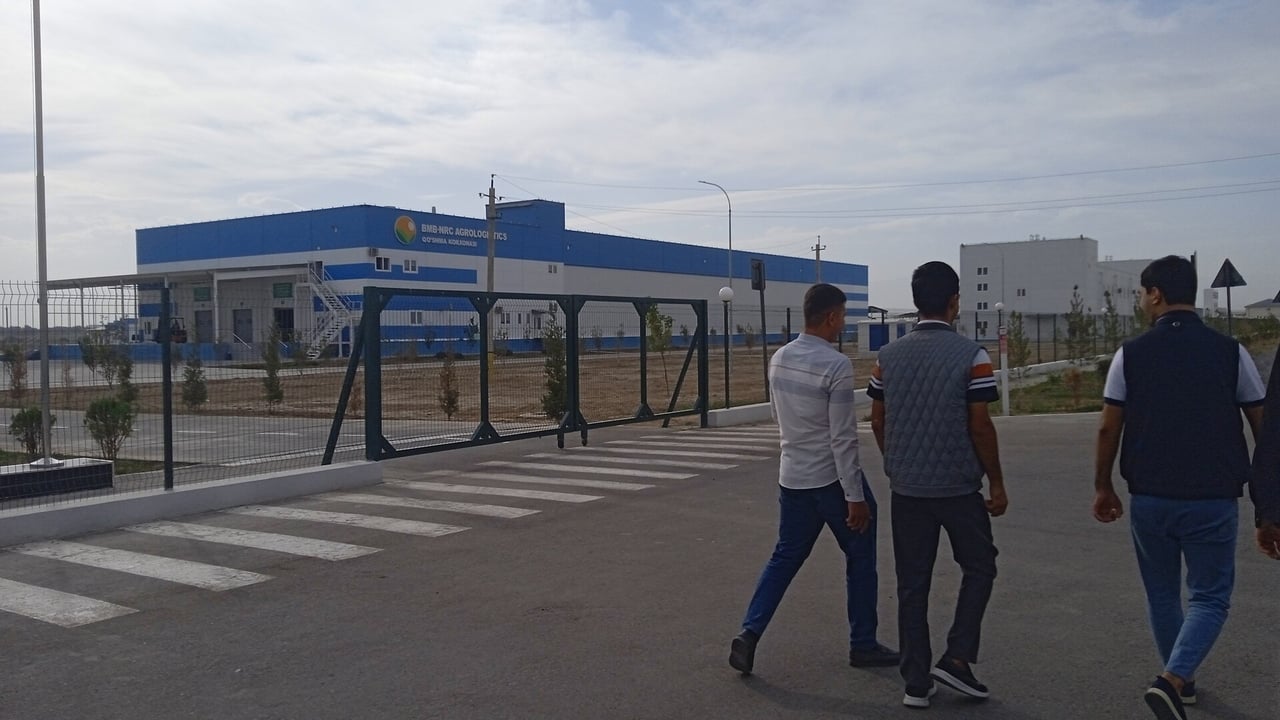
Solijon Solayev via Wikimedia Commons, CC0
The Brief
China's total social logistics expanded 5.0% year-on-year in comparable prices to reach 214.5 trillion yuan during the first seven months of the year, according to data from the China Federation of Logistics & Purchasing. Growth was led by a structural upgrade toward high-tech and equipment manufacturing, alongside resilient consumer and e-commerce delivery demand. However, import logistics growth moderated to 1.8%, and overall industry revenues grew at a slightly slower 4.5%, reflecting ongoing external volatility and weather-related disruptions.
Why it matters
The steady 5.0% growth in overall logistics value highlights macroeconomic resilience and confirms that industrial upgrading is gathering pace across high-end manufacturing. Rapid surges in logistics for integrated circuits and lithium batteries show that high-value sectors are reshaping the freight mix, though moderating import expansion and slim operational margins underscore persistent headwinds.
China context
Logistics functions as a vital barometer for China's broader economic restructuring and supply-chain modernization. Demand patterns reflect the national push toward advanced manufacturing on the supply side, as well as the expansion of digital commerce and instant retail into lower-tier and rural markets on the consumption side.
Editor's View
EDITOR'S VIEW — Analysis and inference, not factual reporting.
The latest logistics figures present a nuanced picture of China's economic trajectory. While top-line expansion remains steady, the internal divergence is stark: advanced industrial manufacturing and specialized consumer logistics are surging, whereas broader import demand remains muted. The logistics sector's ability to maintain its prosperity index at the 50.0% breakeven mark suggests stability, but sustaining this momentum will depend heavily on the effectiveness of domestic stimulus policies and the stabilization of operating costs for transport enterprises.
What to watch
- Implementation and impact of domestic consumption-boosting policies on retail freight volumes
- Growth trends in high-tech, semiconductor, and clean-energy supply-chain logistics
- Whether the Logistics Prosperity Index (LPI) maintains its position above the 50% expansion threshold
Key Takeaways
- 1Total social logistics reached 214.5 trillion yuan in the first seven months, up 5.0% year-on-year.
- 2Industrial goods logistics grew 5.3%, with high-tech manufacturing logistics surging 16.9% in July.
- 3Equipment manufacturing logistics rose 12.3%, supported by 20.7% growth in integrated circuits and 58.8% in lithium batteries.
- 4Import logistics growth slowed to 1.8%, while consumer and household goods logistics expanded 3.7%.
- 5Logistics industry revenue reached 8.5 trillion yuan (up 4.5%), with the Logistics Prosperity Index averaging 50.0%.
China's total social logistics reached 214.5 trillion yuan in the first seven months of the year, marking a 5.0% year-on-year increase in comparable terms, according to data released by the China Federation of Logistics & Purchasing and reported by state media.
Industrial goods logistics, which forms the core of domestic freight volume, expanded 5.3% year-on-year over the seven-month period. Manufacturing demand remained the primary driver, growing 5.5% in July alone—outpacing total industrial logistics by 1.0 percentage point. High-tech manufacturing logistics experienced a notable surge, climbing 16.9% in July, an acceleration of 2.8 percentage points from June. This was propelled by significant output gains in integrated circuits (up 20.7%) and lithium-ion batteries (up 58.8%), which spurred demand for semiconductor materials, battery inputs, and smart hardware shipments. Equipment manufacturing logistics also posted double-digit growth, rising 12.3% year-on-year.
In contrast, import logistics demonstrated more subdued growth. The total value of import logistics rose 1.8% year-on-year through July, slowing by 0.4 percentage points compared to the first half of the year, though high-tech and electromechanical imports maintained positive momentum.
Consumption and household logistics grew 3.7% year-on-year during the first seven months, supported by e-commerce innovation and rural demand. Online physical goods retail expanded 4.6%, helping drive the July China E-commerce Logistics Index to 111.2 points, with total e-commerce delivery volumes up over 20%. Rapid-delivery and instant-retail models expanded, with online food sales rising 16.9% and warehouse club sales climbing over 25%. Lower-tier markets provided strong support: rural retail sales rose 2.4%, outpacing urban growth by 1.3 percentage points, while the rural e-commerce business index reached 126.5 points.
Total logistics sector revenue reached 8.5 trillion yuan in the first seven months, up 4.5% year-on-year. The average Logistics Prosperity Index (LPI) stood at 50.0%, edging up 0.1 percentage points from the first half. Officials noted that while structural upgrades continue, transport operators faced lingering cost pressures in July due to global energy market volatility and domestic extreme weather.
Sources
- 前7月全国社会物流总额同比增长5%--经济·科技--人民网 — People's Daily · 8/31/2026
- 前7月全国社会物流总额同比增长5.0% — State Council of China · 8/31/2026