
Business & IndustryAnalysis
China's Import Growth Outpaces Exports for Sixth Straight Month
Customs data shows total trade reached 34.78 trillion yuan in the first eight months, driven by industrial upgrading and market opening.
Share
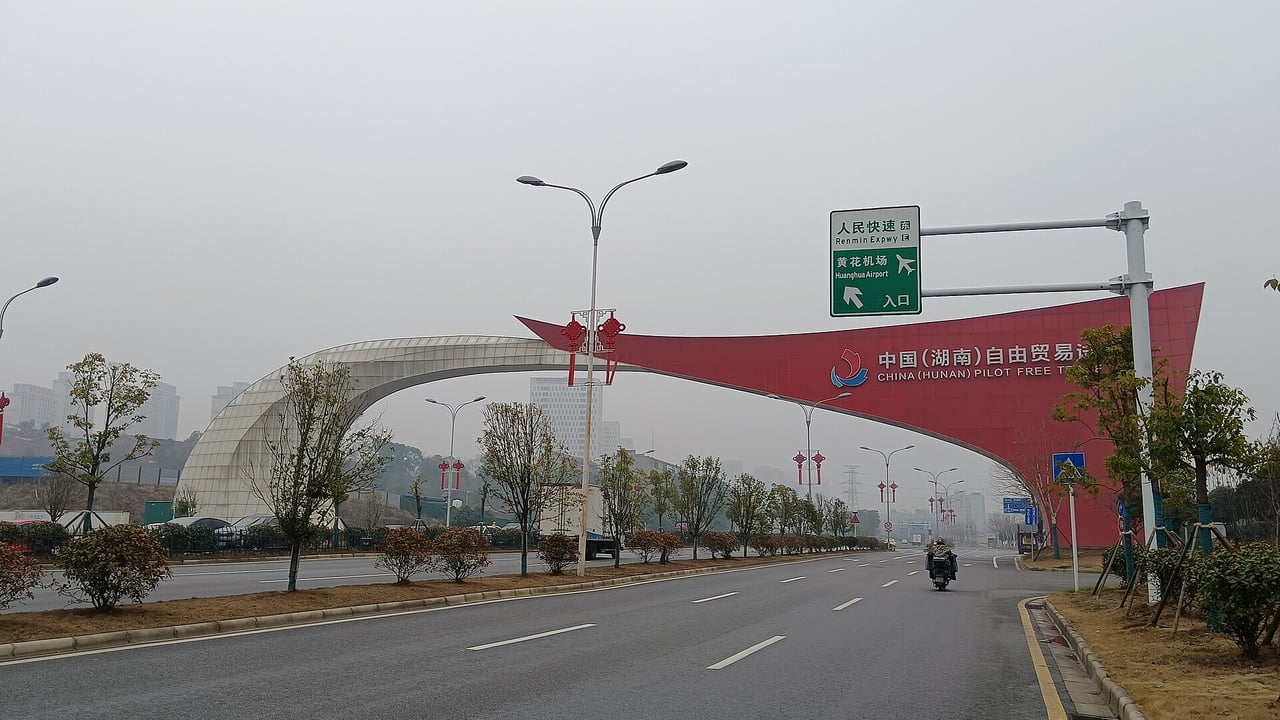
Huangdan2060 via Wikimedia Commons, CC BY 4.0
The Brief
China's monthly import growth rate has outpaced that of exports for six consecutive months, according to official data released by the General Administration of Customs. In August, imports rose 21.7 percent year-on-year to 1.92 trillion yuan, while exports climbed 18.6 percent to 2.73 trillion yuan. Total goods trade reached 34.78 trillion yuan in the first eight months of the year, expanding 17.6 percent. Customs officials attributed the steady expansion to China's resilient industrial base and surging domestic demand for high-end equipment, supported by tariff cuts and sector openings.
Why it matters
A persistent trend where import growth outpaces exports indicates an evolving trade profile focused on balancing commercial flows and absorbing foreign production inputs. As Chinese manufacturers upgrade toward intelligent and green manufacturing, surging demand for advanced components, precision machinery, and quality consumer goods creates export opportunities for international trading partners, serving as a stabilizing factor for global supply chains amid rising trade frictions.
China context
The trade performance aligns with Beijing's broader policy agenda of institutional opening. China has eliminated foreign investment restrictions across the manufacturing sector, enacted zero tariffs for 63 countries, and begun opening modern service sectors such as telecommunications and healthcare. Meanwhile, state-backed trade platforms—including the China International Fair for Investment and Trade, the China International Fair for Trade in Services, and the Global Digital Trade Expo—are deployed to attract cross-border capital and connect domestic industrial demand with global markets.
Editor's View
EDITOR'S VIEW — Analysis and inference, not factual reporting.
While official commentary highlights market opening and balanced trade, the structural composition of the import surge reveals a distinct industrial dynamic. Over the first eight months, imports of mechanical and electrical products surged by 31.6 percent to 6.21 trillion yuan, far outstripping the 6.6 percent rise in agricultural imports. This disparity indicates that the primary driver is not merely broad-based consumer demand, but rather intense industrial retooling and supply chain fortification within strategic emerging sectors. Policymakers now face the task of sustaining this momentum if external tariffs heighten or if domestic industrial demand softens later in the year.
What to watch
- Whether both exports and imports can sustain double-digit year-on-year growth through the fourth quarter.
- Shifts in import volumes and prices for mechanical, electrical, and precision components.
- Commercial agreements and service-sector opening measures announced at major trade expos including CIFTIS, CIFIT, and the Global Digital Trade Expo.
Key Takeaways
- 1China's import growth rate exceeded export growth for the sixth consecutive month in August.
- 2Total goods trade rose 17.6 percent year-on-year to 34.78 trillion yuan in the first eight months.
- 3In August, imports rose 21.7 percent to 1.92 trillion yuan, while exports grew 18.6 percent to 2.73 trillion yuan.
- 4Both imports and exports recorded double-digit year-on-year growth for four consecutive months.
- 5Mechanical and electrical imports jumped 31.6 percent to 6.21 trillion yuan, reflecting active industrial upgrading.
China's monthly import growth outpaced export growth for the sixth consecutive month in August, according to the latest figures released by the General Administration of Customs, signaling sustained domestic appetite for foreign intermediate inputs and high-end capital goods.
Total foreign trade in goods reached 34.78 trillion yuan across the first eight months of the year, marking a 17.6 percent increase compared to the same period last year, state media reported citing customs data. In August alone, total trade rose 19.8 percent year-on-year to 4.65 trillion yuan. August exports grew 18.6 percent to 2.73 trillion yuan, while imports expanded 21.7 percent to 1.92 trillion yuan.
Lv Daliang, director of the Department of Statistics and Analysis at the General Administration of Customs, noted that foreign trade maintained steady momentum, pointing out that both exports and imports registered double-digit growth simultaneously for four consecutive months. Lv attributed the performance to the resilient backing of China's complete industrial supply chain and strong domestic innovation capabilities.
The structural breakdown reveals that industrial upgrading has served as a primary catalyst for inbound shipments. Over the first eight months, imports of mechanical and electrical goods rose 31.6 percent year-on-year to 6.21 trillion yuan, driven by demand for precision equipment, advanced components, and foreign technologies as domestic manufacturing accelerates its shift toward high-end, intelligent, and green production. By comparison, imports of agricultural products increased 6.6 percent to 1.04 trillion yuan.
State media linked the expansion of imports to recent institutional market-opening measures. These policies include the total removal of foreign investment access restrictions in manufacturing, the implementation of zero-tariff treatment for 63 countries, and gradual market openings in modern service sectors such as telecommunications and healthcare.
Authorities are also leveraging national trade exhibitions—such as the China International Fair for Investment and Trade, the China International Fair for Trade in Services, the China-ASEAN Expo, and the Global Digital Trade Expo—to expand two-way capital flows, digital trade rules alignment, and cross-border commercial partnerships amid heightened external trade protectionism.
Sources
- 连续6个月,进口增速超过出口--经济·科技--人民网 — People's Daily · 9/9/2026