
Business & IndustryAnalysis
Hainan Offshore Duty-Free Sales Reach 21.6 Billion Yuan in First Seven Months
Duty-free spending in China's island province rose 17.9% year-on-year, signaling sustained recovery in domestic tourism consumption.
Share
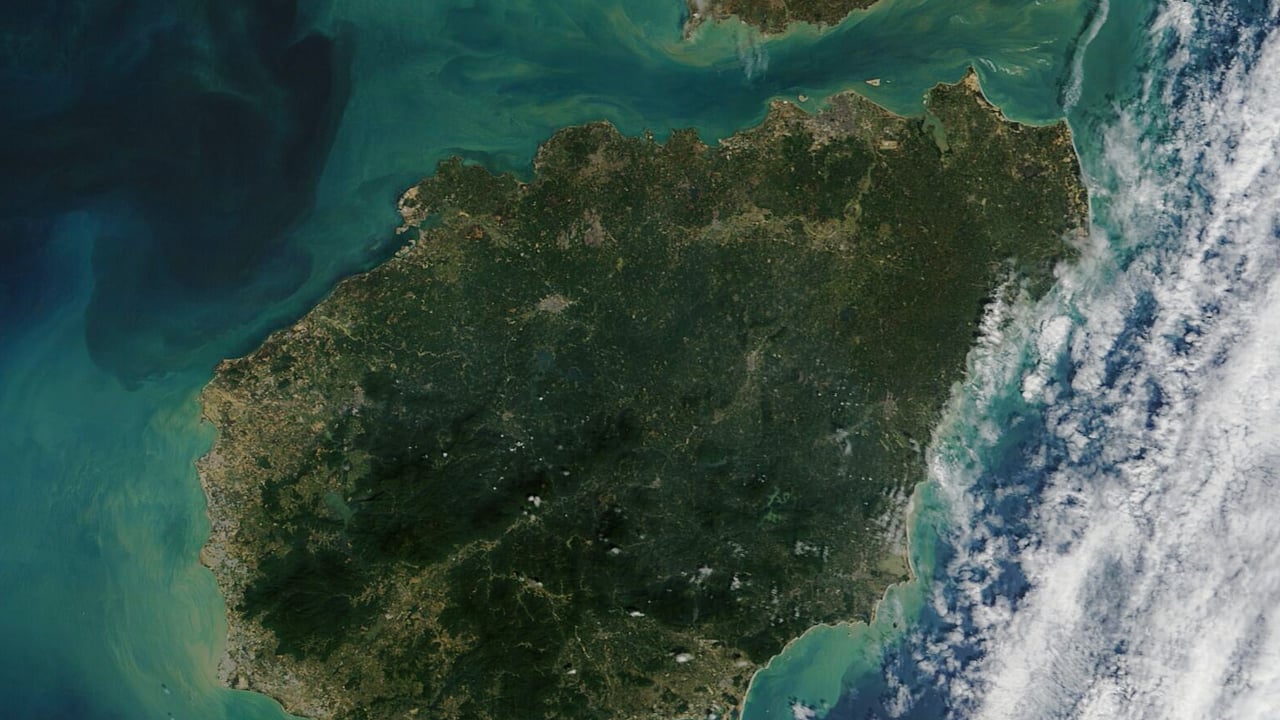
NASA via Wikimedia Commons, Public domain
The Brief
Offshore duty-free shopping in Hainan Province reached 21.6 billion yuan (approximately $3 billion) in the first seven months of the year, marking a 17.9 percent increase compared to the same period last year, according to figures released by China News Service. The double-digit expansion reflects steady consumer demand and strong activity across the tropical island's retail and tourism sectors. As a flagship initiative within the Hainan Free Trade Port framework, the duty-free sector continues to act as a primary driver for expanding domestic consumption and encouraging spending within China's borders.
Why it matters
The steady double-digit growth in offshore duty-free shopping sales demonstrates ongoing momentum in Hainan's tourism and retail recovery. It highlights how duty-free policy incentives effectively stimulate domestic demand and upgrade consumer spending patterns.
China context
Developing Hainan into an international tourism and consumption center is a central pillar of the Hainan Free Trade Port construction. Enhancing offshore duty-free shopping policy plays an illustrative role in capturing high-end spending that previously took place overseas, supporting China's broader dual-circulation strategy.
Editor's View
EDITOR'S VIEW — Analysis and inference, not factual reporting.
The 17.9 percent sales increase highlights the persistent appeal of Hainan's duty-free regime among domestic travelers. However, maintaining long-term retail growth will depend not only on expanding purchasing allowances but also on diversifying product offerings, enhancing shopping convenience, and improving overall customer experience across the island's commercial ecosystem.
What to watch
- Duty-free shopping growth trends during upcoming major holiday seasons and peak tourism periods.
- Further optimization of customs supervision and facilitation measures for offshore shoppers.
- Potential policy updates regarding item categories, pickup services, and consumer convenience.
Key Takeaways
- 1Hainan recorded 21.6 billion yuan in offshore duty-free shopping sales during the first seven months of the year.
- 2Sales expanded by 17.9% year-on-year, showing resilience in regional tourism consumption.
- 3The policy remains a pivotal driver for the Hainan Free Trade Port project to retain consumer spending domestically.
Hainan’s offshore duty-free shopping sector recorded robust spending in the first seven months of the year, with total sales reaching 21.6 billion yuan, according to official figures reported by China News Service. This performance represents a 17.9 percent year-on-year increase, reflecting sustained momentum in local tourism and retail consumption.
The double-digit expansion underscores the role of Hainan's duty-free policy incentives in capturing domestic consumer demand and encouraging retail spending within mainland China. Under the national strategy to transform the island province into an international tourism and consumption hub within the Hainan Free Trade Port framework, preferential duty-free shopping measures have served as a core driver to attract visitors and stimulate high-end retail activity.
Industry observers point out that the growth trajectory reflects a broader recovery in domestic travel enthusiasm and consumer willingness to purchase premium consumer goods locally. Continuous policy adjustments over recent years—including expanded product categories and streamlined purchasing procedures—have progressively lowered friction for visitors shopping on the island.
Looking ahead, market participants will closely monitor performance during upcoming national holiday periods and traditional peak travel seasons. Key focus areas include potential optimizations to customs regulations, further enhancements to shopper convenience, and logistical improvements aimed at boosting overall visitor experience.
Sources
- 今年前7个月海南离岛免税购物额216亿元 同比增长17.9% — China News Service · 8/5/2026