
Business & IndustryAnalysis
China's National Railway Freight Reaches 2.35 Billion Tonnes in First Seven Months
Steady growth in rail volumes highlights targeted capacity for energy, agricultural goods, and multimodal logistics corridors.
Share
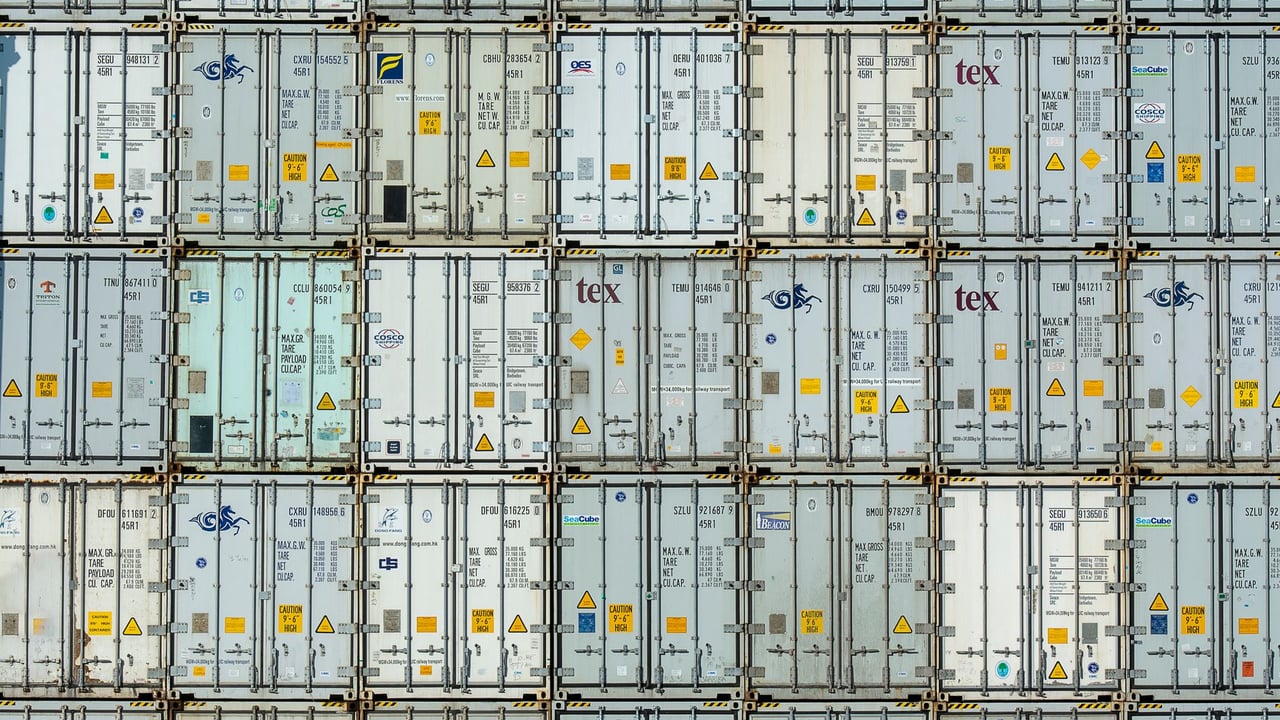
Photo by Jan van der Wolf on Pexels
The Brief
China's national railway network transported 2.35 billion tonnes of cargo in the first seven months of the year, marking a 0.7 percent year-on-year increase, according to data from China State Railway Group reported by Xinhua. Daily average carloadings reached 187,000 wagons, up 2.1 percent. Growth was underpinned by priority deliveries of thermal coal for peak summer power generation, customized logistics for agricultural and chemical enterprises, and substantial expansion in rail-road and rail-water multimodal transport networks.
Why it matters
Railway freight volume serves as a vital macroeconomic indicator reflecting real industrial activity and supply chain fluidness across China. The steady volume growth, particularly in core commodities like power-generation coal, grain, and textiles, demonstrates how state-coordinated transport infrastructure functions as a stabilizing floor for industrial production and power grid security during peak demand cycles.
China context
To support the creation of a unified national market and lower overall logistics costs across the real economy, China State Railway Group has expanded 'headquarter-to-headquarter' corporate partnerships and customized logistics plans. By integrating rail networks with ports and highways, authorities aim to shift a larger share of freight from roads to rail, improving energy efficiency and supply chain resiliency across major economic zones like Beijing-Tianjin-Hebei, the Yangtze River Delta, and the Greater Bay Area.
Editor's View
EDITOR'S VIEW — Analysis and inference, not factual reporting.
While the headline growth rate of 0.7 percent reflects a moderate pace of overall freight expansion, structural shifts within the freight mix show aggressive development in specialized logistics. The sharp surges in rail-road intermodal transport and cross-regional agricultural logistics, such as outbound cotton shipments from Xinjiang, point to deeper institutional coordination between state rail operators and industrial supply chains.
What to watch
- Sustainability of rail freight volume growth heading into the autumn and winter pre-heating restocking cycle for coal
- Pace of manufacturing restocking and its impact on containerized intermodal rail volumes in the second half of the year
- Operational continuity and route expansion for China-Europe and China-Central Asia freight train corridors amid shifting international trade environments
Key Takeaways
- 1National railway freight reached 2.35 billion tonnes from January to July, up 0.7 percent year-on-year, with daily average loadings rising 2.1 percent to 187,000 cars.
- 2Coal shipments totaled 1.216 billion tonnes, including 813 million tonnes of thermal coal to support summer utility demand.
- 3Key commodity volumes rose: grain grew 7.4 percent, chemicals 5.4 percent, and textiles 21.4 percent.
- 4Multimodal transport surged, with rail-road intermodal freight up 80.9 percent to 294 million tonnes and container rail-water volume up 9.2 percent.
- 5Cross-border China-Europe and China-Central Asia freight train trips grew 10.3 percent to 21,570 runs.
China's national railway system transported 2.35 billion tonnes of freight during the first seven months of the year, representing a 0.7 percent increase compared to the same period last year, according to figures released by China State Railway Group and reported by Xinhua.
Average daily loadings stood at 187,000 railcars, registering a 2.1 percent year-on-year increase. Railway operators attributed the steady throughput to centralized scheduling and targeted capacity allocations that prioritized vital economic supplies and stabilized macro-level supply chains.
Energy transport remained a core priority during the summer power demand peak. From January to July, the national railway network handled 1.216 billion tonnes of coal, including 813 million tonnes of thermal coal dedicated to power utilities. Coal inventories at power plants directly connected to the rail network remained at elevated levels, securing fuel supplies during high-load periods across regional grids.
Beyond bulk energy, rail operators expanded customized logistics partnerships with leading industrial and agricultural enterprises. Rail freight volumes for grain rose 7.4 percent year-on-year, while chemical shipments increased by 5.4 percent and textile products grew by 21.4 percent. In cooperation with the All China Federation of Supply and Marketing Cooperatives, specialized consolidated train services moved cotton out of the Xinjiang region, with 96 dedicated trains contributing to a 157.3 percent year-on-year surge in total cotton rail volume.
Intermodal connectivity also saw noticeable momentum. Rail-water transport recorded a 9.2 percent increase in container volume, supported by the rollout of 165 'single-document' integrated freight services covering 71,600 standard twenty-foot equivalent units (TEUs). Meanwhile, rail-road multimodal freight volume jumped 80.9 percent year-on-year to 294 million tonnes.
To tighten domestic trade links, expedited freight services designed on passenger-style timetables expanded between core economic hubs, including the Beijing-Tianjin-Hebei region, the Yangtze River Delta, and the Guangdong-Hong Kong-Macao Greater Bay Area. Cross-border trade channels also maintained growth, with China-Europe and China-Central Asia freight trains operating 21,570 trips during the seven-month period, up 10.3 percent year-on-year.
Sources
- 今年前7月国家铁路发送货物23.5亿吨 — State Council of China · 8/19/2026