
Business & IndustryAnalysis
Ningbo-Zhoushan Port Launches Weekly Summer Arctic Shipping to Europe
A new weekly seasonal service across the Northern Sea Route offers a 20-day transit for green tech exports from eastern China.
Share
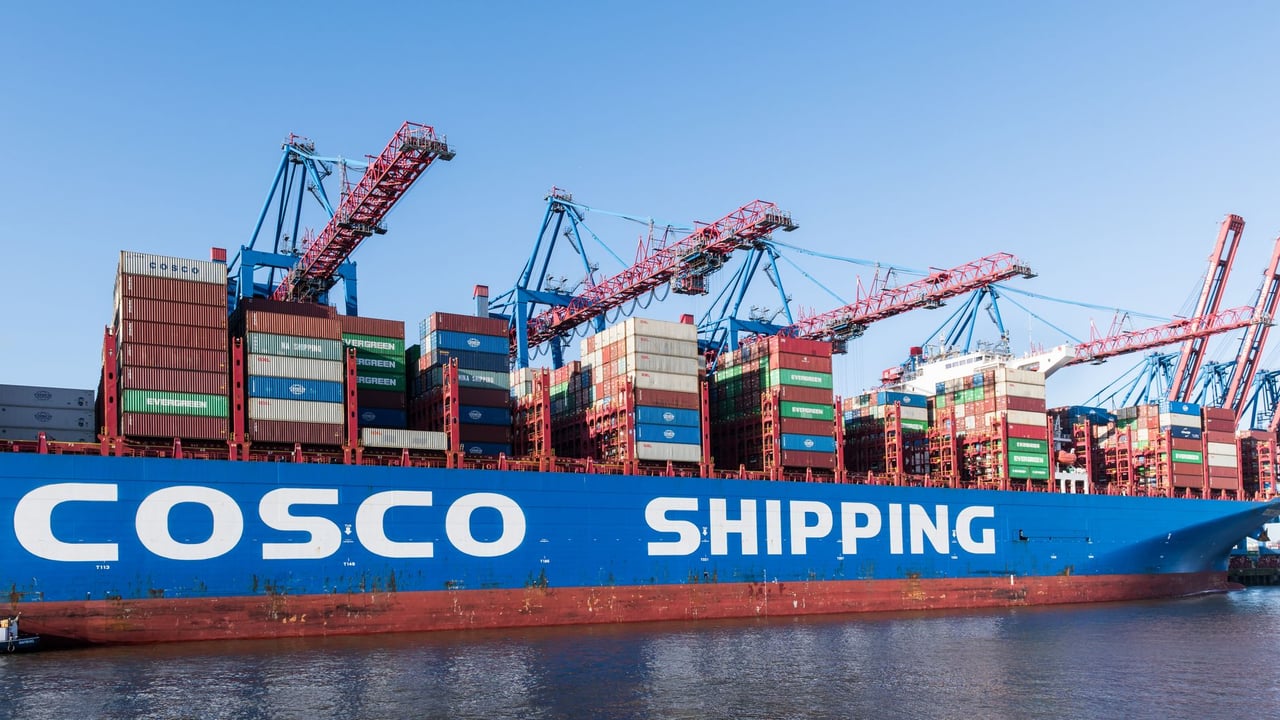
Photo by Wolfgang Weiser on Pexels
The Brief
Ningbo-Zhoushan Port has commenced weekly container operations for its China-Europe Arctic Express during the summer navigation season. Following an initial trial voyage in September 2025 that completed a one-way Arctic transit to the United Kingdom in roughly 20 days, the service has now transitioned to regular seasonal weekly sailings. The inaugural regular voyage is transporting high-value green energy products—such as battery storage systems, power batteries, and solar components sourced from the Yangtze River Delta—to European ports including Felixstowe, Rotterdam, Hamburg, and Gdynia.
Why it matters
The seasonal weekly service provides Chinese exporters with an alternative maritime corridor that significantly reduces transit times to Northern and Western Europe compared to conventional routes via the Suez Canal or around Africa. By offering a faster ocean transit specifically tailored for temperature-sensitive and high-value clean technology shipments, the route enhances supply chain flexibility for manufacturers in the Yangtze River Delta.
China context
The establishment of regular seasonal sailings from Ningbo-Zhoushan Port aligns with China's broader interest in developing the 'Polar Silk Road' and diversifying its outbound commercial corridors. As eastern China remains the core manufacturing base for the country's clean-tech export boom, securing multiple resilient logistical pathways to major European markets serves both trade diversification and regional industrial goals.
Editor's View
EDITOR'S VIEW — Analysis and inference, not factual reporting.
While the 20-day transit via the Arctic Northeast Passage presents a compelling speed advantage for specialized cargoes like batteries and solar equipment, the commercial viability of the route remains strictly constrained by seasonal ice conditions. Shippers must balance the time savings against polar navigation risks, specialized vessel availability, and destination handling capacities across European ports.
What to watch
- Schedule reliability and actual container utilization rates across the summer sailing window.
- Customs clearance and onward distribution efficiency at European destination ports in the UK, the Netherlands, Germany, and Poland.
- Operational challenges stemming from polar weather variability and sea-ice fluctuations.
Key Takeaways
- 1Ningbo-Zhoushan Port has transitioned its China-Europe Arctic container service into a regular weekly operation for the summer season.
- 2The service follows a successful trial voyage in September 2025 that traversed the Arctic Northeast Passage to the UK in about 20 days.
- 3Current shipments carry high-value clean-tech products, including batteries and solar components, calling at ports in the UK, the Netherlands, Germany, and Poland.
Ningbo-Zhoushan Port has inaugurated weekly container operations on its China-Europe Arctic shipping route for the summer navigation season, according to a report by China News Service. The development marks the transition of the northern corridor from trial runs into regular seasonal service.
The service, referred to as the China-Europe Arctic Express, entered this operational phase on August 15, when the Haijie Shipping vessel "Burj Khalifa" (Dibaitta) berthed at the Chuanshan port area container terminal in Ningbo-Zhoushan Port to begin loading cargo.
The route was first tested in September 2025, when a trial vessel traversed the Arctic Northeast Passage and completed a one-way journey to a port in the United Kingdom in approximately 20 days. Following nearly a year of operational preparations, the line has established a weekly schedule for the duration of the navigable summer period.
The inaugural scheduled sailing is transporting high-value and temperature-sensitive goods sourced primarily from manufacturing hubs across the Yangtze River Delta. The manifest includes energy storage cabinets, power batteries, photovoltaic modules, and various clean-energy vehicle components.
After departing Ningbo-Zhoushan Port, the vessel is scheduled to call at several major European maritime hubs, including the Port of Felixstowe in the United Kingdom, Rotterdam in the Netherlands, Hamburg in Germany, and Gdynia in Poland.
The launch of regular weekly sailings offers exporters in eastern China a faster northern maritime alternative to traditional routes via the Suez Canal or around the Cape of Good Hope, reducing delivery windows for sensitive green technology components bound for European markets.
Sources
- 中欧北极快航开启夏季常态化通航-中新网视频 — China News Service · 8/16/2026