
Business & IndustryAnalysis
First Hualong One Nuclear Project in Greater Bay Area Fully Operational
CGN brings Unit 2 of Guangdong's Taipingling nuclear plant online, completing Phase I of the region's first Hualong One facility.
Share
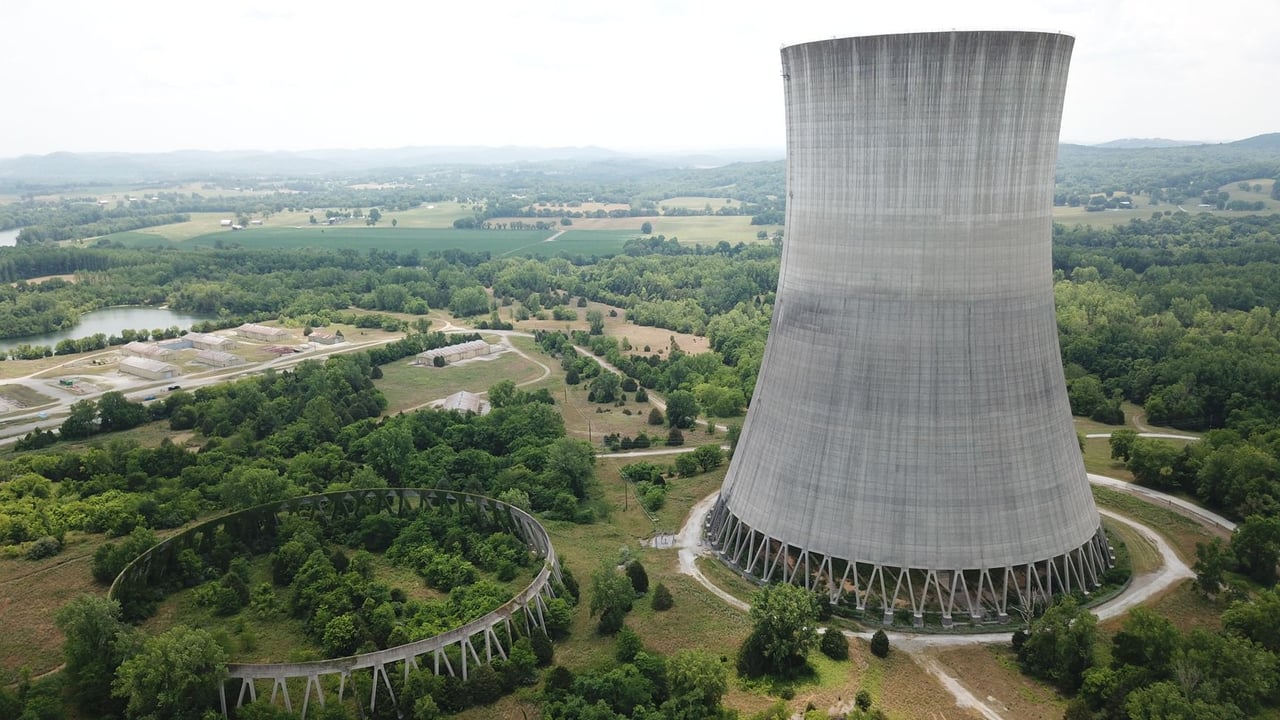
Photo by Giant Asparagus on Pexels
The Brief
On August 3, 2026, China General Nuclear Power Corporation (CGN) brought Unit 2 of the Taipingling Nuclear Power Project online in Huizhou, Guangdong Province. The milestone marks the full operation of Phase I of the Greater Bay Area's first nuclear project powered by China's indigenous Hualong One third-generation reactor technology. With both Phase I units now active, the station is projected to supply over 18 billion kilowatt-hours of clean electricity annually, serving the power needs of nearly 2 million people and offsetting around 16.63 million tons of carbon dioxide emissions.
Why it matters
The full commissioning of Taipingling Phase I marks a key step in the Guangdong-Hong Kong-Macao Greater Bay Area's energy transition. Providing over 18 billion kWh of baseload electricity annually, the station strengthens local power supply security while helping reduce carbon intensity across one of China's largest economic clusters.
China context
Nuclear power serves as an essential baseload energy source in China's strategy to build a modern energy system and fulfill its national dual-carbon goals. The successful construction and commercial operation of Hualong One units reflect China's expanding technical capabilities in domestic third-generation nuclear design, equipment manufacturing, and mega-project engineering.
Editor's View
EDITOR'S VIEW — Analysis and inference, not factual reporting.
The operation of Taipingling Phase I underscores China's push to deploy domestic third-generation nuclear designs near high-demand industrial hubs. By placing substantial clean baseload capacity directly inside the Greater Bay Area, energy planners aim to strengthen grid reliability against power shortages while demonstrating the commercial scalability of the Hualong One reactor platform.
What to watch
- Regulatory approval and construction progress for the remaining four planned reactors at the Taipingling site.
- The operational performance and real-world impact of Phase I on regional grid stability and local carbon reduction targets.
Key Takeaways
- 1Unit 2 of the Taipingling Nuclear Power Project was commissioned on August 3, 2026, bringing Phase I into full commercial operation.
- 2The plant is the first nuclear facility in the Greater Bay Area to deploy China's self-developed Hualong One third-generation technology.
- 3Phase I is expected to generate over 18 billion kWh annually, powering nearly 2 million people and reducing CO2 emissions by roughly 16.63 million tons.
- 4Located in Huizhou, Guangdong Province, the overall site is master-planned to accommodate six Hualong One units.
Unit 2 of the Taipingling Nuclear Power Project in Guangdong Province officially began generating electricity at 11:18 a.m. on August 3, 2026, according to state media reporting sources from China General Nuclear Power Corporation (CGN). The commissioning of Unit 2 marks the completion and full operational status of Phase I of the facility, establishing the Guangdong-Hong Kong-Macao Greater Bay Area's first nuclear power station powered by China's indigenous Hualong One third-generation reactor design.
Located in Huidong County, Huizhou City, the overall Taipingling project is designed to house six Hualong One nuclear units. The State Council approved Phase I, which consists of two reactors, on April 8, 2019, and construction on Unit 2 commenced on October 15, 2020. CGN reported that the construction team integrated operational insights from earlier Hualong One deployments to execute major milestones, including nuclear island structural work, component installation, system testing, initial fuel loading, reactor criticality, and initial grid connection.
With Unit 2 meeting commercial operation standards, Phase I is fully built. Zhang Guoqiang, chairman of CGN Huizhou Nuclear Power Co., Ltd., stated that based on national average nuclear utilization hours in 2025, the two-unit phase is expected to generate over 18 billion kilowatt-hours of clean electricity annually. This volume can supply the annual power consumption needs of nearly 2 million residents and businesses, equivalent to reducing annual carbon dioxide emissions by approximately 16.63 million metric tons.
The completion of Phase I underscores China's strategy to deploy domestic third-generation nuclear technology as a reliable baseload power source for its major economic clusters. As energy demand in the Greater Bay Area grows alongside industrial upgrade initiatives, large-scale nuclear facilities provide low-carbon power that balances variable renewable output from wind and solar while advancing national decarbonization goals.
Sources
- (粤港澳大湾区)大湾区首个“华龙一号”自主三代核电项目一期工程全面投运 — China News Service · 8/3/2026
- 广东太平岭核电项目2号机组投产发电--经济·科技--人民网 — People's Daily · 8/3/2026