
Business & IndustryAnalysis
Hainan's First 'Hualong One' Nuclear Power Unit Connects to the Grid
Unit 3 of China Huaneng's Changjiang Phase II project marks Hainan's first third-generation indigenous nuclear power connection.
Share
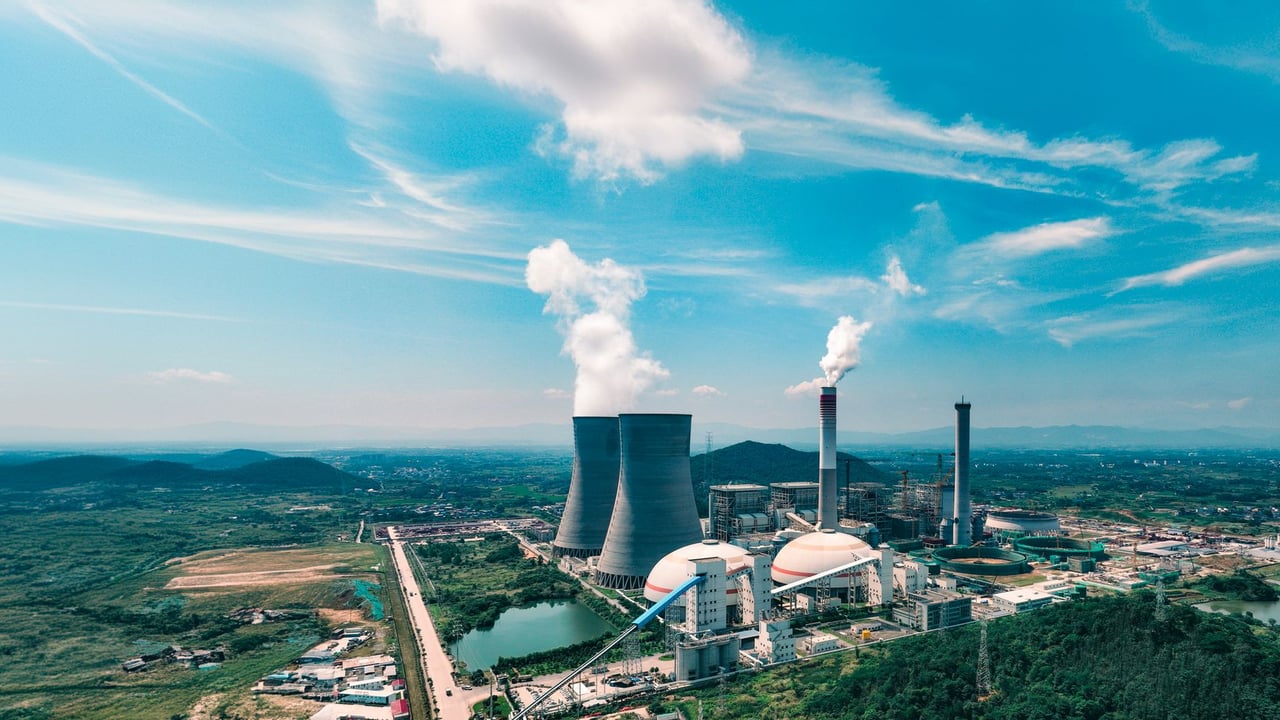
Photo by jason hu on Pexels
The Brief
Unit 3 of the Changjiang Nuclear Power Phase II project in Hainan Province officially connected to the power grid on August 1, state media reported citing state-owned developer China Huaneng. The unit features China's indigenous third-generation 'Hualong One' pressurized water reactor design. The overall Phase II expansion comprises two 1.2-gigawatt units equipped with integrated active and passive safety systems, designed to provide low-carbon baseload electricity to support the development of the Hainan Free Trade Port.
Why it matters
The grid connection represents the first operational deployment of China's flagship indigenous third-generation nuclear technology, Hualong One, in Hainan Province. As Hainan expands its infrastructure and economic activities under its Free Trade Port mandate, securing a clean, reliable, and continuous baseload power supply is essential to meeting rising demand while aligning with national decarbonization goals.
China context
China continues to expand its nuclear energy footprint under its dual-carbon framework, which aims for peak carbon emissions before 2030 and carbon neutrality by 2060. Enhancing domestic technological self-reliance and supply chain localization for advanced reactors like Hualong One is a core pillar of China's strategy to optimize its power generation mix, reduce reliance on fossil fuel imports, and maintain grid stability amid growing renewable power integration.
Editor's View
EDITOR'S VIEW — Analysis and inference, not factual reporting.
The successful grid connection of Hainan's first Hualong One reactor highlights steady progress in standardizing and commercializing China's indigenous nuclear reactor fleet. Beyond adding clean capacity to Hainan's power grid, the deployment reflects an ongoing structural shift toward localized equipment supply chains and advanced reactor safety architectures. The project's long-term impact will depend on the smooth transition from initial grid integration to full commercial operation and the timely execution of subsequent units.
What to watch
- Commercial operational timeline and initial capacity factor performance of Changjiang Unit 3.
- Construction milestones and grid integration schedule for Changjiang Unit 4.
- Shifts in Hainan's overall clean energy mix and regional carbon intensity metrics.
Key Takeaways
- 1Unit 3 of the Changjiang Nuclear Power Phase II project connected to Hainan's power grid on August 1.
- 2The facility is Hainan's first nuclear power project to utilize China's indigenous third-generation 'Hualong One' pressurized water reactor.
- 3The Phase II development consists of two 1.2 GW units utilizing a combination of active and passive safety design features.
- 4Upon full completion, the two-unit station is projected to generate 18 billion kWh annually, saving over 6.32 million tonnes of standard coal per year.
State-owned power generation enterprise China Huaneng announced on August 1 that Unit 3 of the Changjiang Nuclear Power Phase II project in Hainan Province has successfully connected to the electrical grid, according to reports from Xinhua News Agency. The event marks the inaugural grid integration of China's indigenous "Hualong One" third-generation pressurized water reactor technology within the island province.
The Changjiang Phase II facility represents a major nuclear energy project for Hainan. Controlled and constructed by China Huaneng, the overall station layout encompasses two 1.2-gigawatt (1.2 million kilowatt) pressurized water reactor units, establishing a substantial local generation capacity once both units come online.
According to statements released by China Huaneng and reported in state media, the Changjiang Phase II project has placed a strong operational focus on advancing indigenous nuclear engineering design capabilities alongside localized equipment manufacturing. The underlying Hualong One nuclear reactor architecture relies on a specialized safety design that combines active safety systems with passive safety mechanisms. This dual-approach engineering strategy is designed to significantly enhance the overall operational reliability, structural resilience, and safety standards of the power station.
When the entire Phase II project reaches full completion and both reactor units are fully operational, the plant is projected to achieve an annual electricity output of 18 billion kilowatt-hours. Based on estimates provided by China Huaneng, this annual clean energy generation will substitute for more than 6.32 million tonnes of standard coal consumption per year, while cutting annual carbon dioxide emissions by approximately 11.6 million tonnes.
Chinese media reports noted that the project aims to deliver a stable, low-carbon, and reliable source of power to meet the growing energy requirements of the Hainan Free Trade Port. The facility adds to Hainan's clean energy portfolio as the region seeks to align local industrial expansion with broader national energy transition targets. The successful grid connection of Unit 3 represents an essential prerequisite for ongoing operational testing prior to commercial deployment, as construction and technical work proceed on the remaining elements of the power facility.
Sources
- 海南“华龙一号”核电项目并网发电--经济·科技--人民网 — People's Daily · 8/2/2026